According to Wikipedia, Augusta, Maine, with its population of about 19,000, is “the third-least populous state capital in the United States.” ( Vermont’s and South Dakota’s capitals are smaller.) Augusta is also an old city, established in 1629 by English settlers from the Plymouth Colony. Augusta was originally called Cushnoc, from its native American name that means “head of tide.”
However, while Augusta might be small and old, it isn’t quaint. With its major roads blighted by strip development and its empty shell of a main street, Augusta is a charmless city that gives you the feeling the sky is gray, even when the sun is shining.
Augusta wasn’t always like this. My memory goes back far enough to remember when the main street was a bustling place filled with shops and other businesses. Vintage postcards indicate that those major roads, with their current scourge of strip development, were once charming tree-lined streets with lovely homes.
As to be expected, Augusta mostly has chain restaurants, ranging from McDonald’s to Ruby Tuesday. Clif and I don’t eat out very often, but when we do, we mostly go to Hallowell, a little city just outside of Augusta. Hallowell has a snappy collection of restaurants—none of them chains.
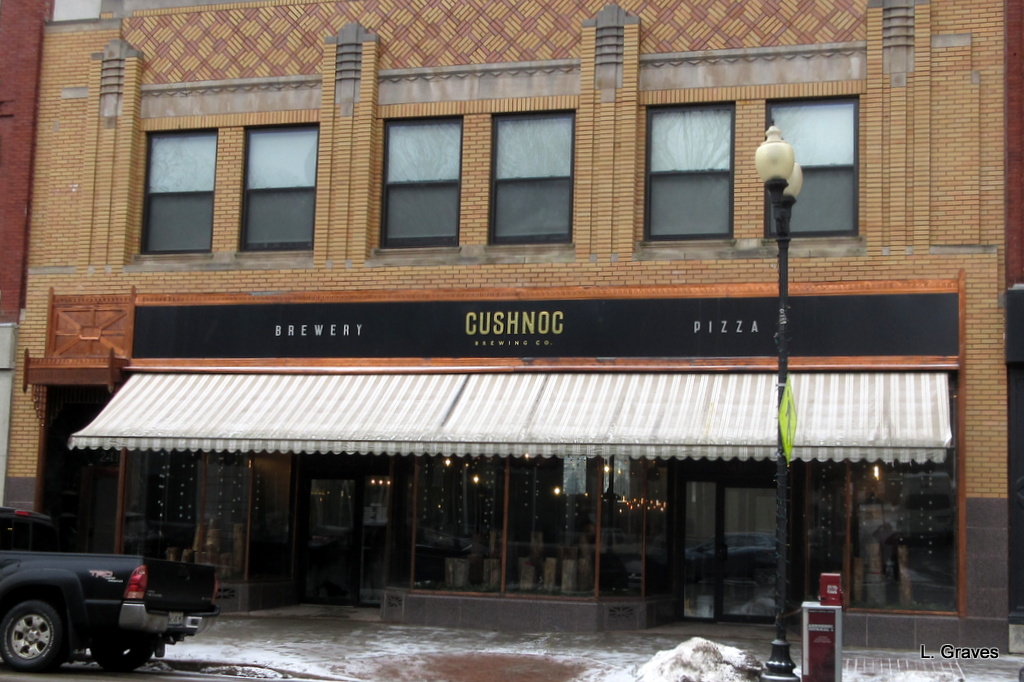
However, a new place has come to Augusta’s downtown—Cushnoc Brewing Co., and as its name suggests, it is indeed a brewery. Cushnoc Brewing also specializes in pizzas baked in a wood-fired oven, and they serve other food including nachos and salads.

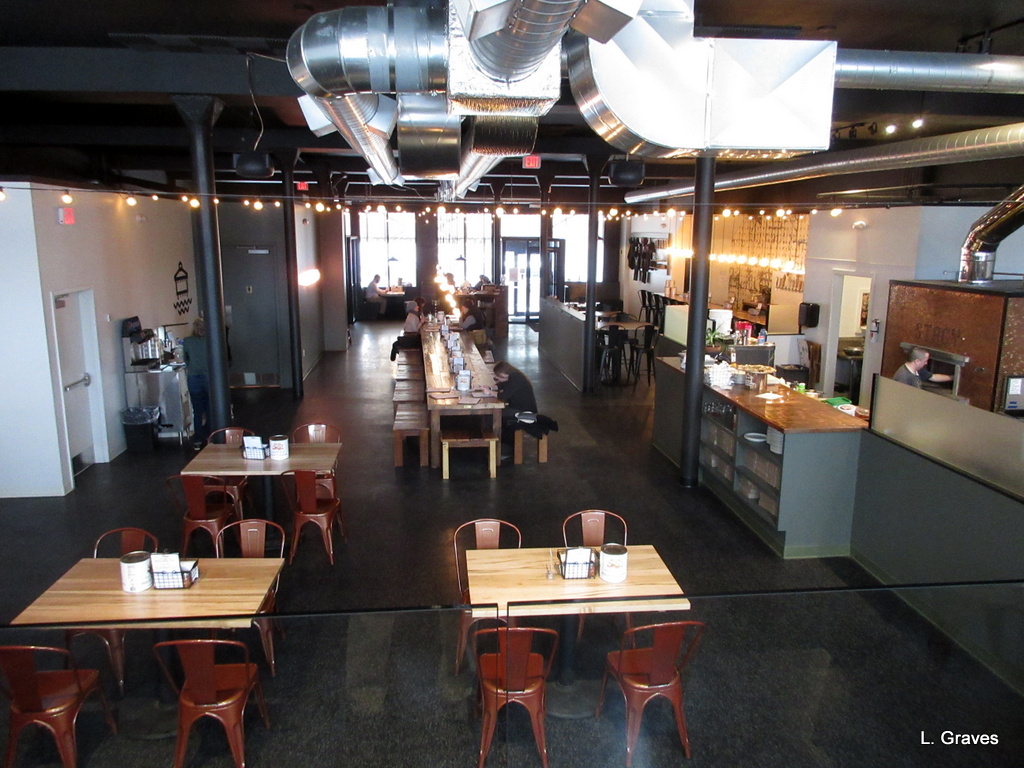
On Monday, Clif and I decided to check out Cushnoc Brewing Co. As soon as we went in, we looked around in wonder. Could this place—one that could be considered hip, even—really be in Augusta, Maine, the land of strip development and chain restaurants?

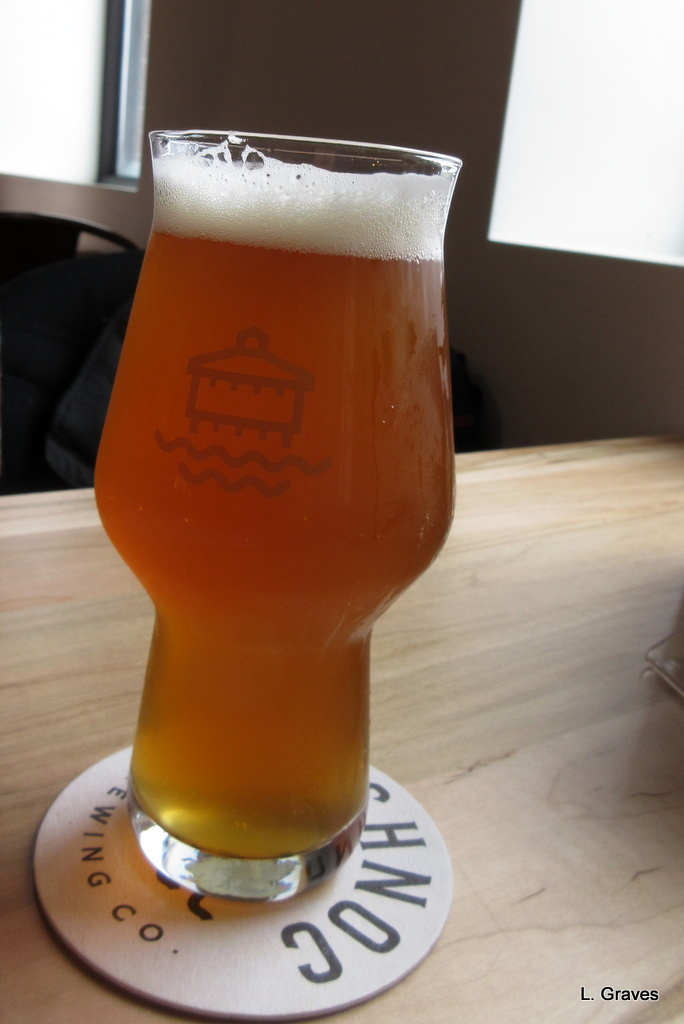
It seems that it could. But as the saying goes, handsome is as handsome does. Here were the most important questions: How was the food, and how was the beer? We ordered a pizza to share, and Clif ordered a beer, All Souls IPA. Clif told me it was light and had a citrus flavor and went down real easy.

I’m a little ashamed to admit that I ordered a root beer, but beer isn’t my thing. In honor of the beer lovers in my family, I’ll leave it at that, and I’ll return to my root beer later.
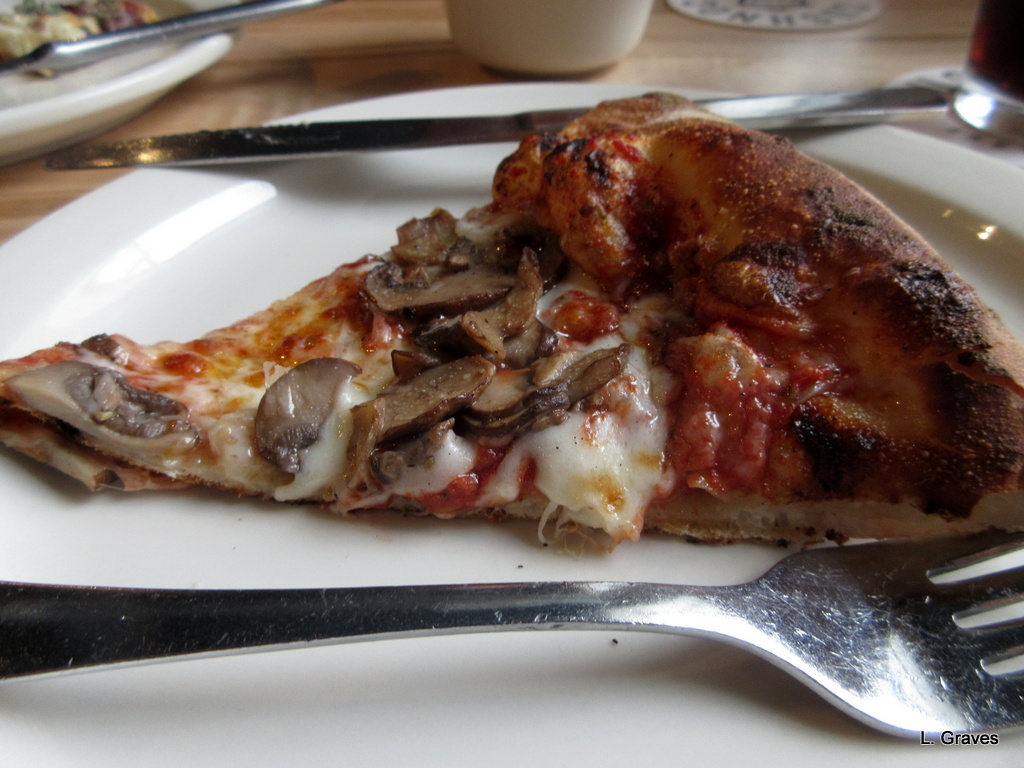
The pizza—half mushroom and half pepperoni—was one of the best I have ever had. The sauce was slightly sweet, and later I would discover that the secret was balsamic vinegar. The crust was cooked to perfection, and I ate more than I should have.

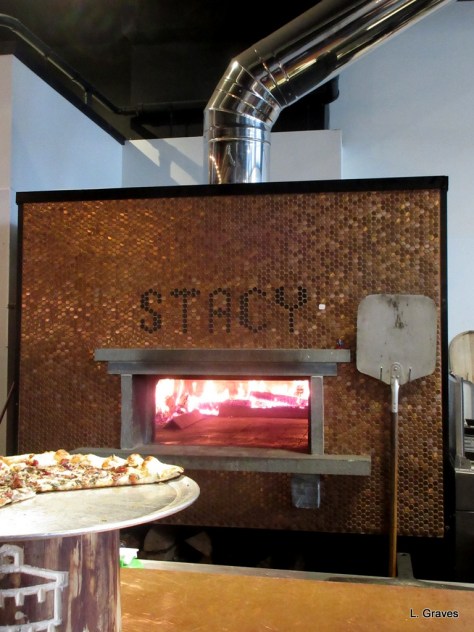
After Clif and I were done eating, we went to look at the pizza oven, and I was allowed to take pictures of it. The oven has a name—Stacy—in honor of this building’s previous store, a tempting gift shop where I have bought many things.
Now let us return to my root beer, which had something to set it apart from most soft drinks served in restaurants. (Yes, I know. This is picture number six. Let us consider it a bonus picture.)
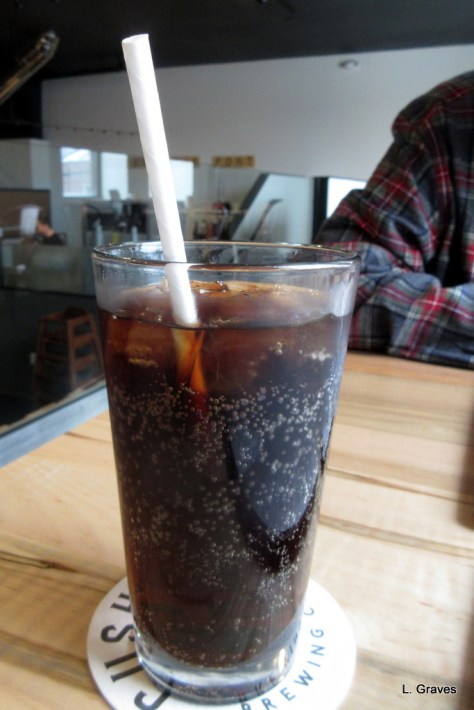
Perhaps it isn’t obvious from the photo, but the straw is paper, not plastic, and I consider this to be one baby step in the right direction. In truth, I’m perfectly happy to sip directly from the cup itself, and the next time I go, I’ll tell the server I don’t need a straw. Why waste paper? Nevertheless, Cushnoc Brewing Co. is the only area restaurant I have been to that provides paper straws rather than plastic.
Will this hip place revive Augusta? Only time will tell, but it’s my guess it will give the restaurants in trendy Hallowell a run for their money.