On Saturday, we headed south to Freeport, Maine—to Maine Beer Company—where we met our daughter Shannon and her husband Mike to celebrate our eldest daughter Dee’s birthday. This has become one of our favorite places. High-quality beer for the beer lovers—Clif and Mike—and really good pizza for the rest of us—Dee, Shannon, and me. (Rest assured, Clif and Mike like pizza too.)
But the best thing about Maine Beer Company isn’t just that they serve excellent beer and pizza, but also that they do good.
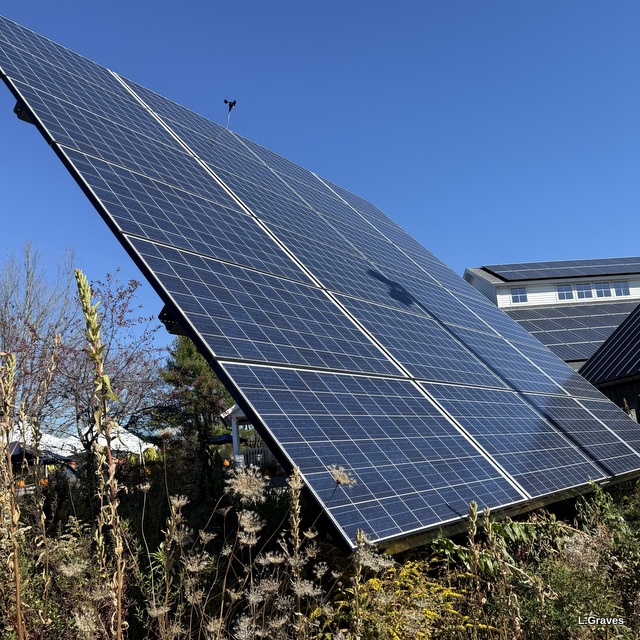
Here is what greets customers when they drive into the parking lot. And note the other solar panels on the building in the background.
Then there is this:
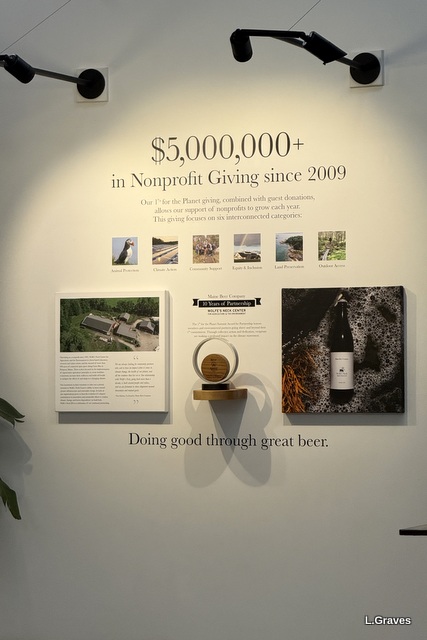
Maine Beer Company pays its staff a decent wage, and instead of leaving a tip, customers are encouraged to leave a charitable donation. Which we always do.
Now, I want to make it clear that not every business we go to operates like this. Most are just average businesses that operate the usual way. But how nice to find a place like Maine Beer Company, which is a cut above the average in every way.
We also like the casual, friendly vibe.
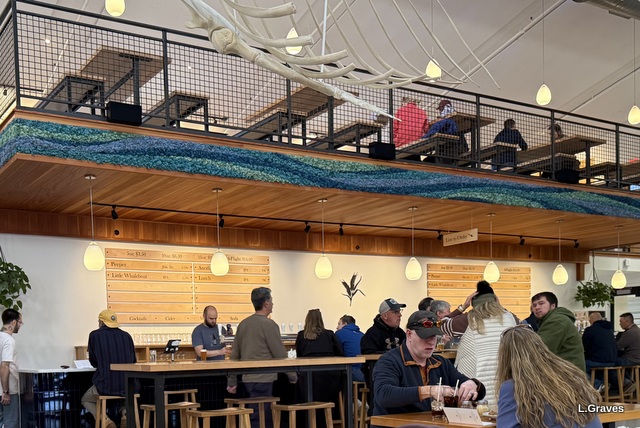
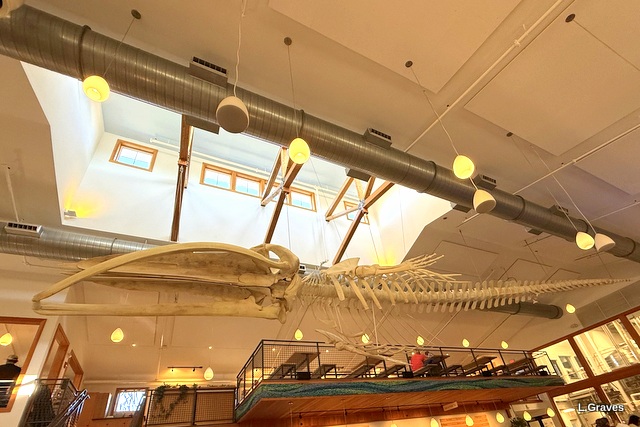
And Finny, the skeleton of a finback whale who died of natural causes. (Click here to read Finny’s sad story.) Although Finny died far too young, her elegant skeleton reminds us of the beauty of these sea creatures and, I hope, encourages us to respect lives beyond our own.
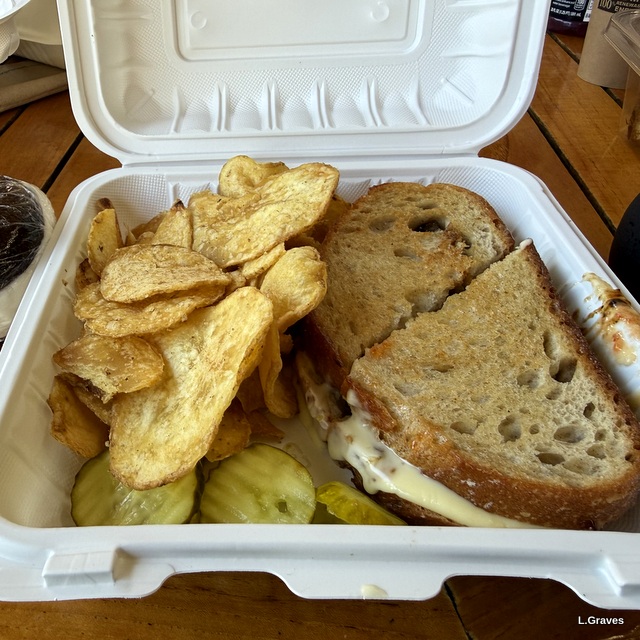
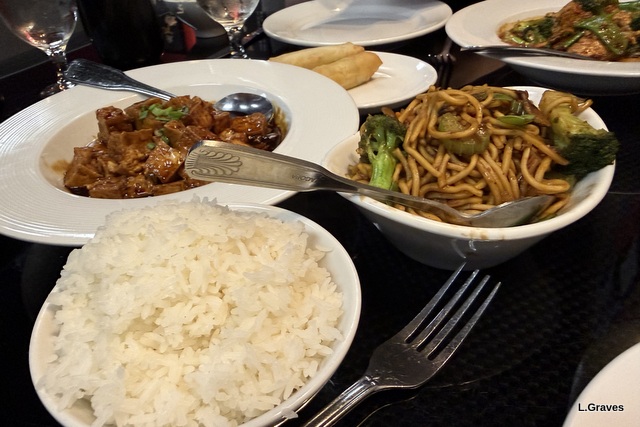
Finally, of course, there’s the food.
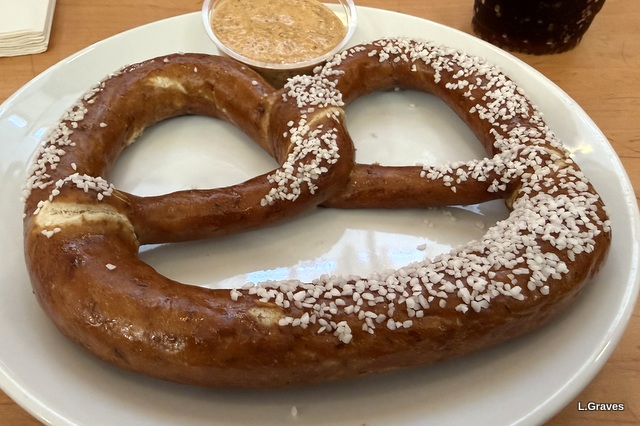
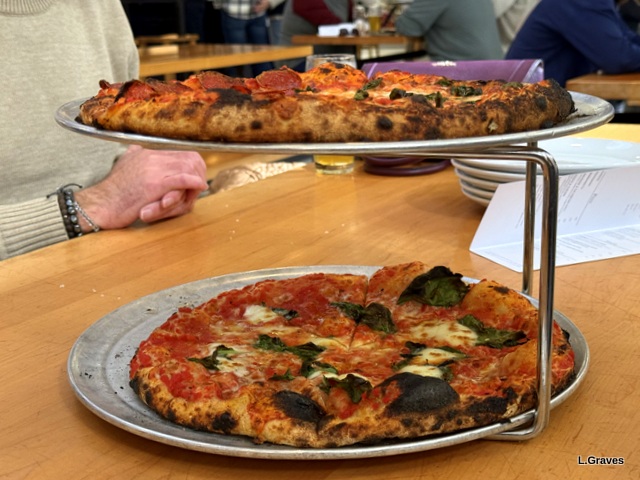
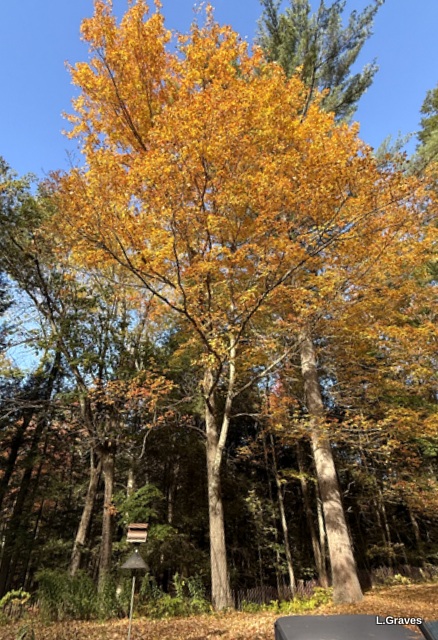
The crowning glory of the outing was this tree in downtown Freeport, where we went for tea and pastries after we had our pizza.
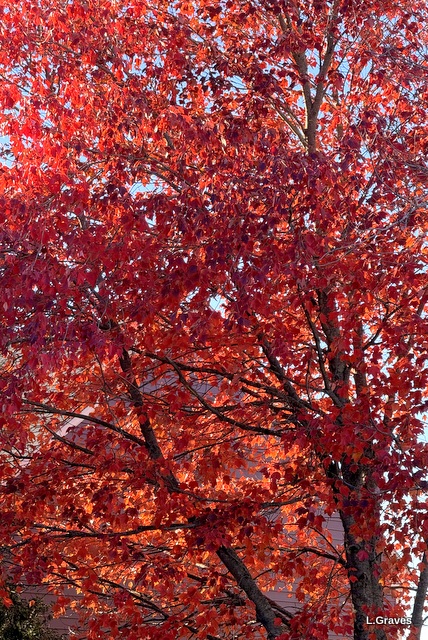
All in all, a beautiful October day in every way. Happy birthday, eldest daughter!
Other Matters
My Book
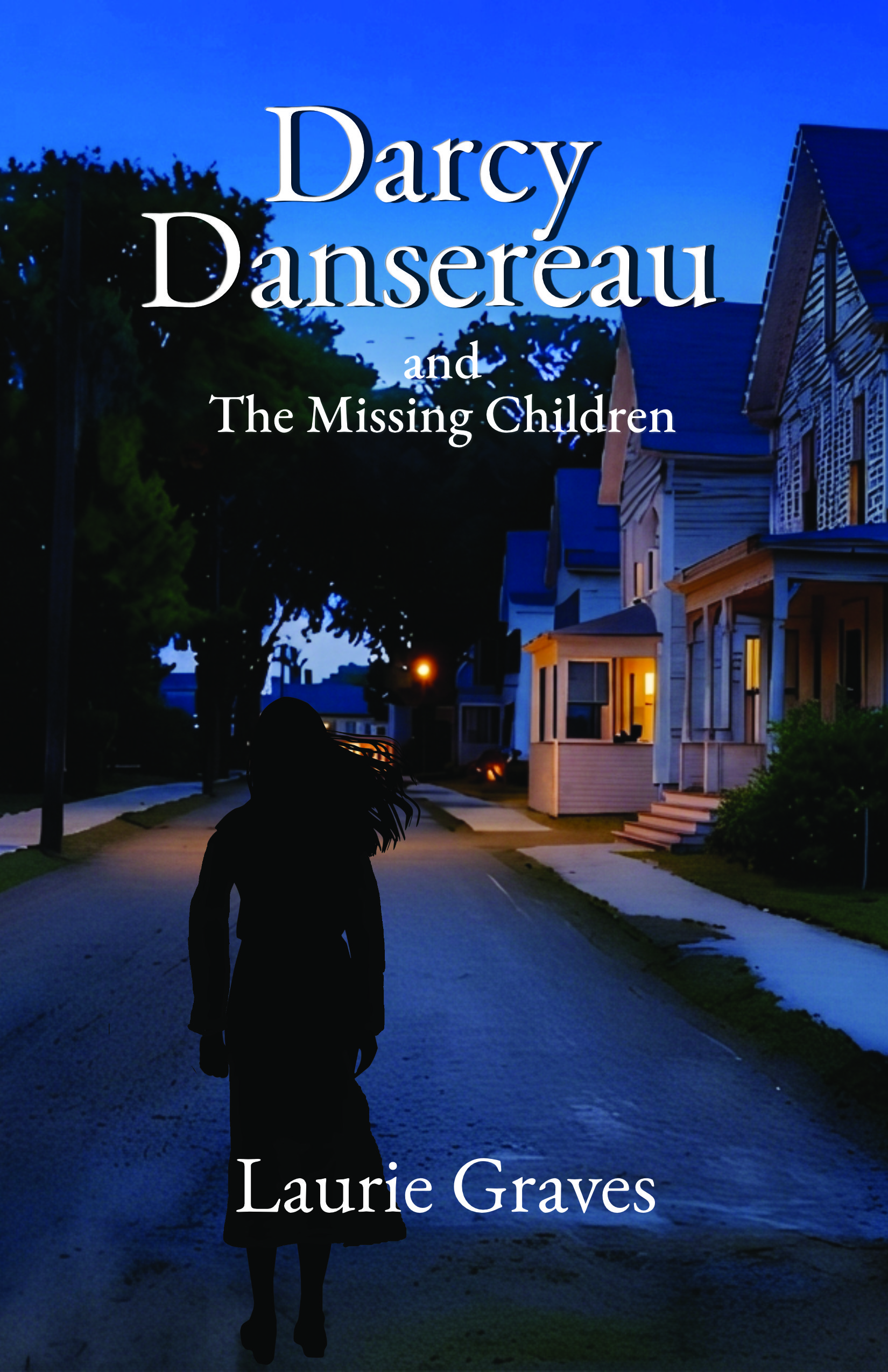
My upcoming novel, Darcy Dansereau and the Missing Children, is at the printers for a proof copy, which I should get in a week or so. Then the hard work really begins as I go over it to check for typos. I must admit, this is my least favorite part of the process, but it’s necessary, and I take it seriously. Once the proof copy arrives, I’ll be taking another short break. But I’ll also be announcing a contest. So stay tuned.
The Election and What I do to Calm Down
All around the country, November 3 is Election Day. It is not a year for electing a president—alas, we still have two more years of Trump—but nonetheless it’s a consequential election. Senators, Representatives, and Governors will be chosen. It’s a chance to stem the far-right tide that has flooded this country.
I am on pins and needles about this election. I obsessively listen to political podcasts and watch news shows. I hear the same thing over and over: it’s looking good for the Democrats. But I’ve heard this before, only for the country to get skunked by the far-right. And will Trump kick up a fuss if the election doesn’t go his way? Last time, we got January 6, an abomination that still gives me pain to think about.
To calm my nerves, I watch Escape to the Country on YouTube. Yes, it’s formulaic, but I find it oh so soothing. Plus, I love the beautiful countryside featured in England, Wales, Ireland, and Scotland. Another plus is that most of the time, the prospective homeowners don’t buy any of the houses they’re shown. So it feels like a real accomplishment when someone actually buys a house.
Here is a relatively recent episode. Not sure if a house is sold, but I’ll be watching tonight to find out.
Onward, ho!