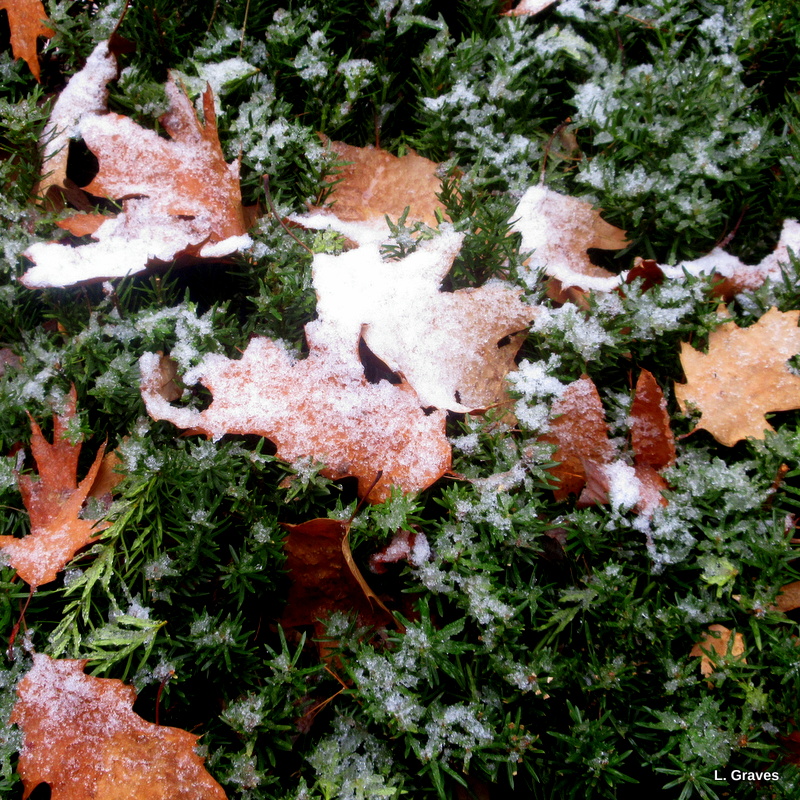
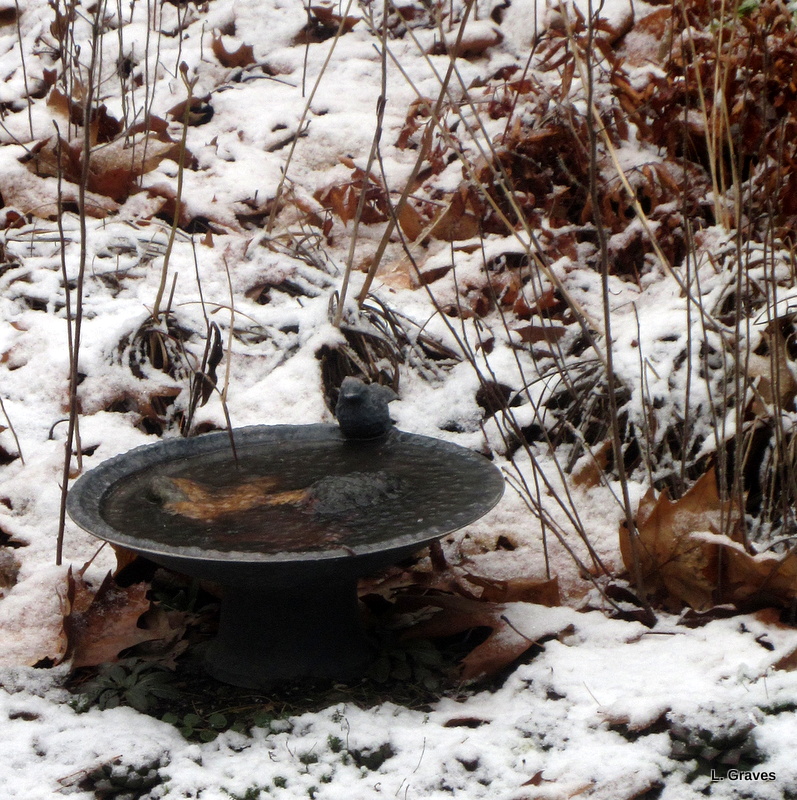
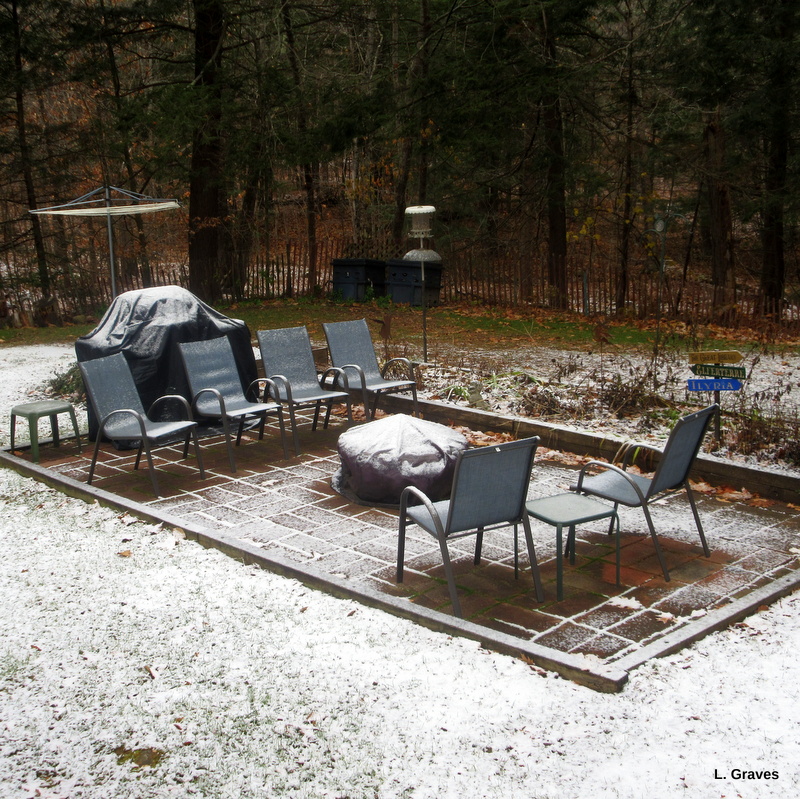
In the still, in the cold…

Although I love spring and summer and the lengthening of the days, I also cherish this time of year, this time of giving, this time of rest, when I have tea on the couch at 4:00, and out the big window I watch the sky go from blue to black and the bright shine of Venus, which glitters just above the horizon.
I will be taking a blogging break from now until the New Year. Because of Covid, it will definitely be a staycation, but it will be a luxury to read in the mornings, play board games in the afternoon, and watch Oscar nominees at night. And, of course, nibble on treats.
I know many of you are wondering about Little Green, our trusty electric snow thrower. Clif did indeed find the problem—a rascally rodent, probably a mouse, who not only made a nest inside Little Green but chewed the belt in half as well. A new belt is on the way.
Because I am Franco-American, I wish those who celebrate Christmas a joyeux Noël.
And to everyone a Bonne Année.
Whatever you celebrate, have a joyous and safe time. I hope your holidays are filled with warmth, merriment, and good food.
See you all in 2022.