
Category Archives: Winter
River of Change
Last Wednesday the weather was so warm for February in Maine that it broke records.
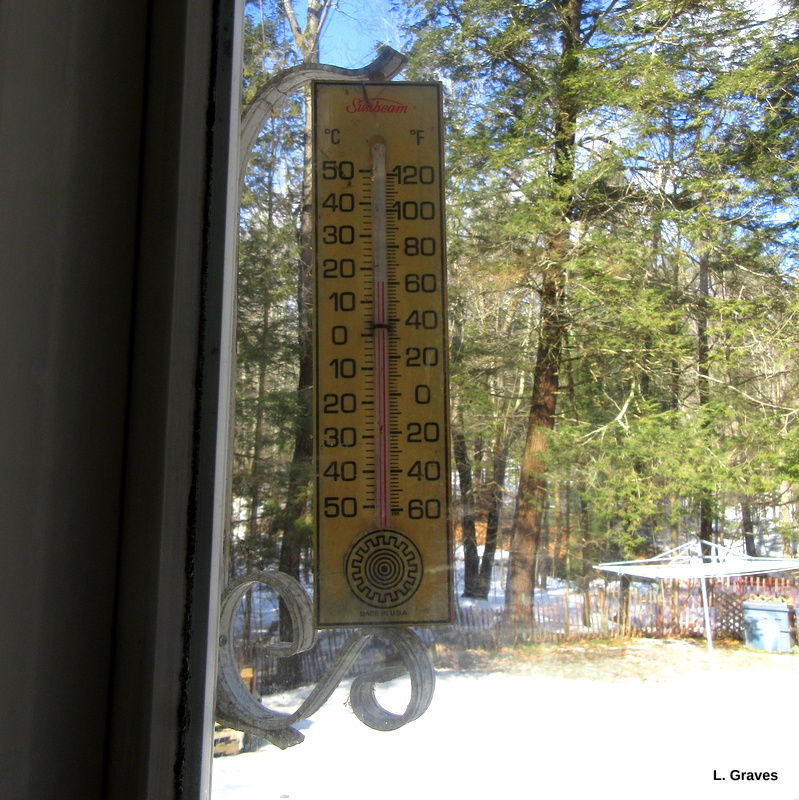
The driveway was filled with puddles and melting ice.

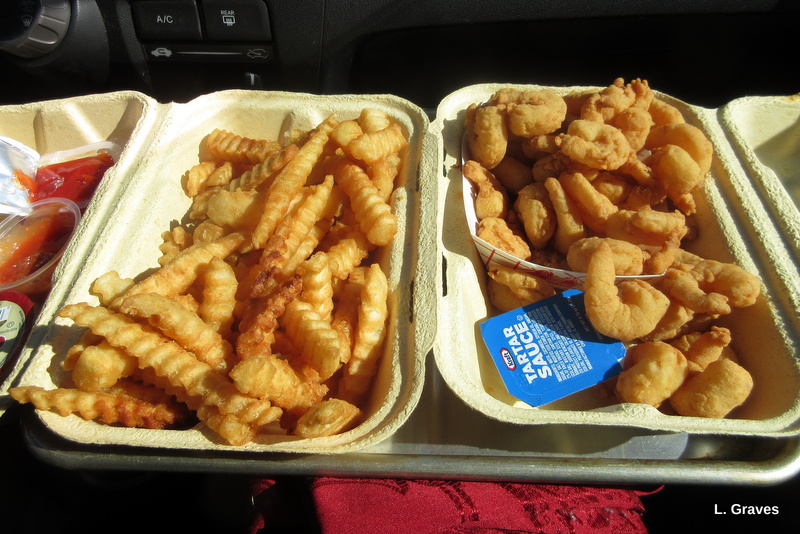
On that warm February day, Clif and I went on a rare outing where we got take-out from the Red Barn in Augusta, about ten miles from our town. Mostly we cook and eat at home, and our meals are vegetarian. However, while we will not eat mammals or birds, we do, from time to time, eat shrimp, clams, and scallops.
At the Red Barn, we ordered fries and the Barn’s delectable shrimp. Then we headed down the road to Hallowell, to the parking lot that overlooks the Kennebec River, which is neither wide nor mighty but is nonetheless dear to us.
As we ate, we watched the river. It was iced over, but because of recent rain and the warm weather, there was a skim of water on top. A strong wind blew the water this way and that, as though it were sand.
When we were done, we headed to another spot on the Kennebec, where there’s a turnout with a deck, and you can look down the river into Augusta, our state’s capital. In the distance, a little to the right, is the white dome of the capitol building.

The cropped picture reveals a small black smelt shack, also in the distance. If the thaw continues, the owner will have to remove it lest the shack be carried downriver.

On the deck are posters, in both French and English, that describe how important the Kennebec River was when goods were moved by boats and ships. Back in the day, rivers were superhighways. Because of this, Hallowell was once a bustling community, and there are many fine old homes that are remnants of a more prosperous time.

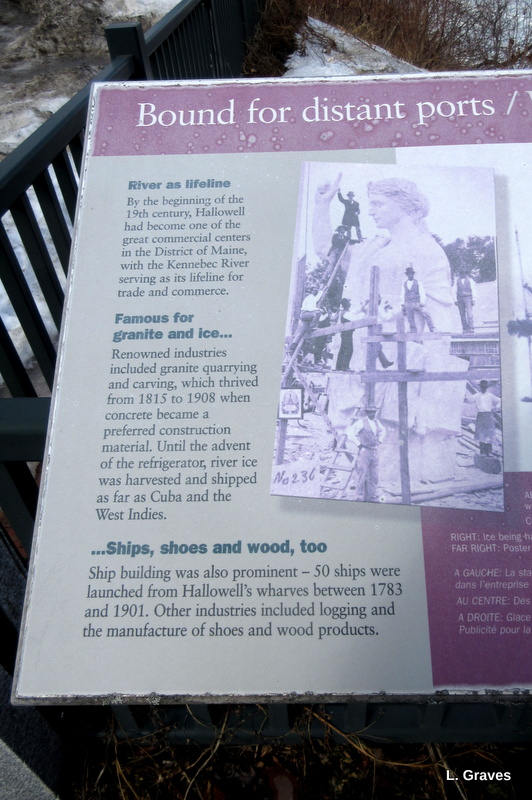
But times change. Trains and trucks displaced river ships, cement displaced granite, and refrigerators displaced ice. The Kennebec is no longer a superhighway to and from the Atlantic Ocean. Deprived of a vital economy, Hallowell fell on hard times, and in the 1960s and 1970s, it was a dumpy, depressed place. The river, too, fell on hard times, becoming dark and dirty, polluted by the many factories lining the banks.
But all is not gloom and doom. Thanks to the Clean Water Act of 1972, wildlife now thrives on the river, and the Kennebec is a place of recreation and rejuvenation for humans. Artists and creative types, drawn by affordable homes, moved to Hallowell, and the once depressed town has become funky and vital.
The Kennebec River and Hallowell are object lessons in how change can be both good and bad. Sometimes change is out of our control, and we just have to cope with it as best we can.
But sometimes it’s not. And to borrow from the Serenity Prayer, it’s up to us to have the wisdom to know the difference.
*******************************************************
Nifty Posts from Some of the Lovely Blogs I Follow
Ju-Lyn, of Touring My Backyard, featured the fascinating bat flower.
Despite these turbulent times, small pleasures abound in this post from Thistles and Kiwis.
Tootlepedal’s blog always features fabulous photos, but in a recent post, with some help from his son-in-law, he outdid himself
In a timely post on Robby Robin’s Journey, Jane provides maps of Ukraine that really clarify the geography of the area.
Katie, of the Cozy Burrow, never fails to amaze with her beautiful creativity. Sew on, Katie!
On Retirement Reflections, Donna does her bit to spread peace with with three travelling copies of The Little Book of Inner Peace. What a wonderful idea!
*******************************************************
This is more than a little Christmasy, but I couldn’t resist sharing Aimee Mann’s cover of Joni Mitchell’s The River. The song is so lovely, and it fits beautifully with my own river post.
Frog in the Snow

Outside My Window: Icicles on Shrubs

When Life Gives You Temperamental Weather, Cook
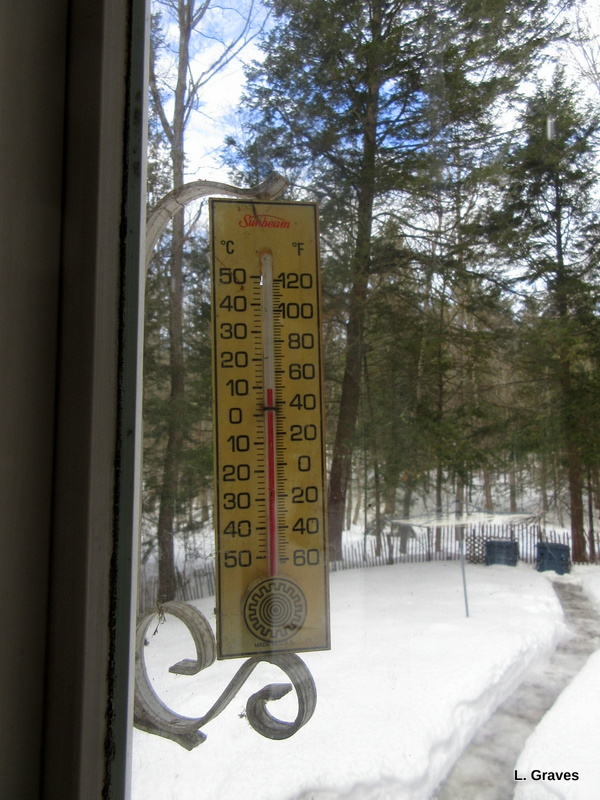
Maine weather tends to be—ahem—temperamental, but for the past two days, it’s been a real whiplash. On Saturday, the temperature soared to 50°F. In Maine in February that, my friends, is akin to a heatwave.
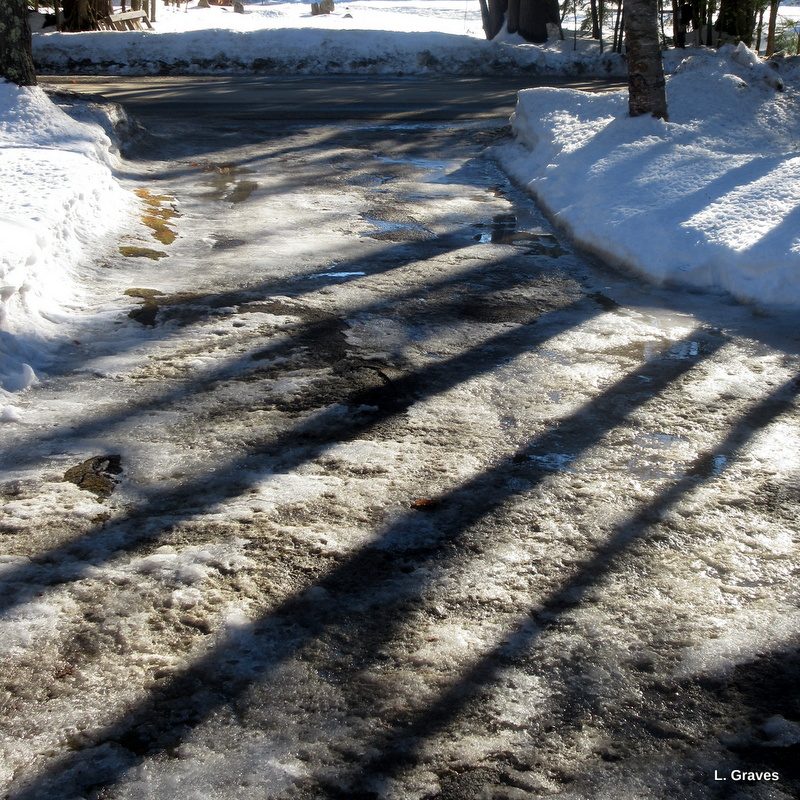
For the first time in a long while, there were puddles in the driveway, and patches of tar peeked through the ice. (The stripes across the driveway are tree shadows.)
Dreaming of spring, Little Miss Watson stared out the window.
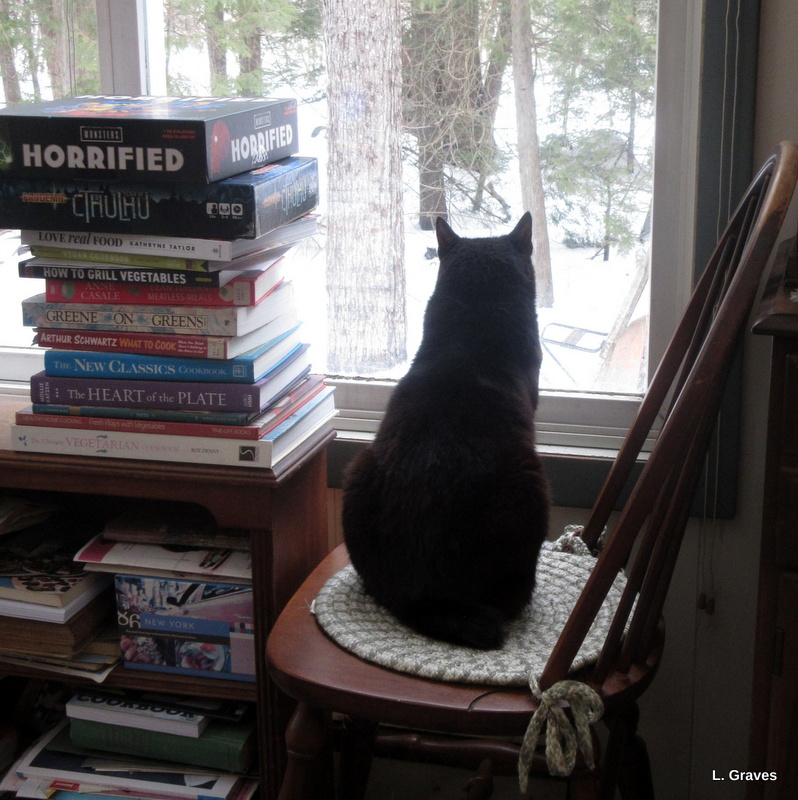
However, despite the warmer weather, none of us—including Little Miss Watson—were tempted to go outside where the dirty snow was piled high and the sides of the road were mucky. Instead, we stayed in and cooked.
Now, the food we make would never be considered restaurant quality or bakery ready. Often, our creations look a little wonky, off center even. Simply put, we are home cooks.
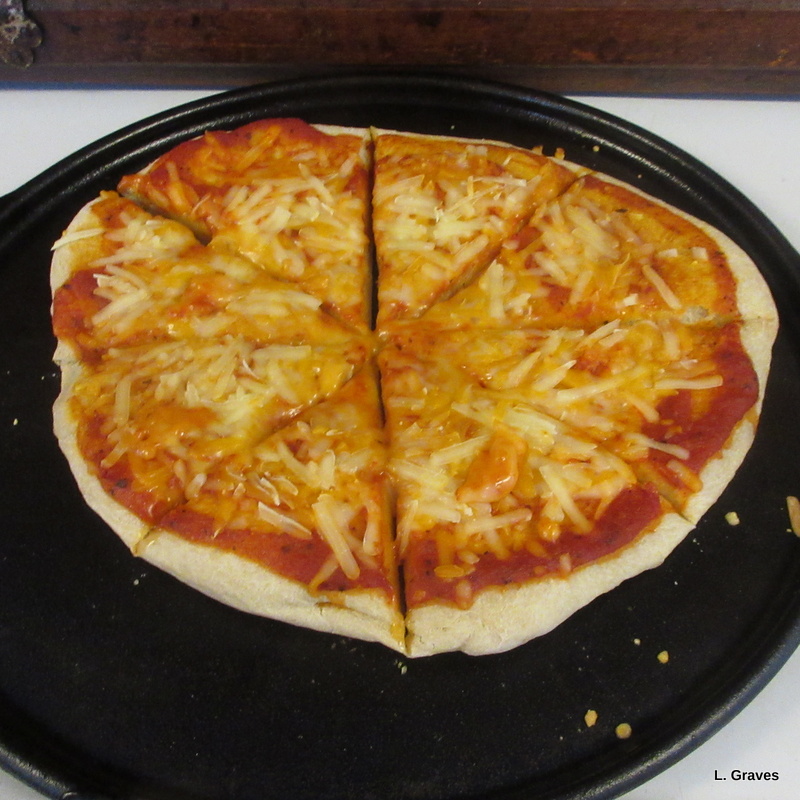
Our pizza wasn’t exactly round.
And our Valentine’s peanut butter cups? Well, judge for yourselves.

But both the pizza and the peanut butter hearts tasted better than their rough looks might otherwise indicate. What we lack in finesse we usually make up for in taste.
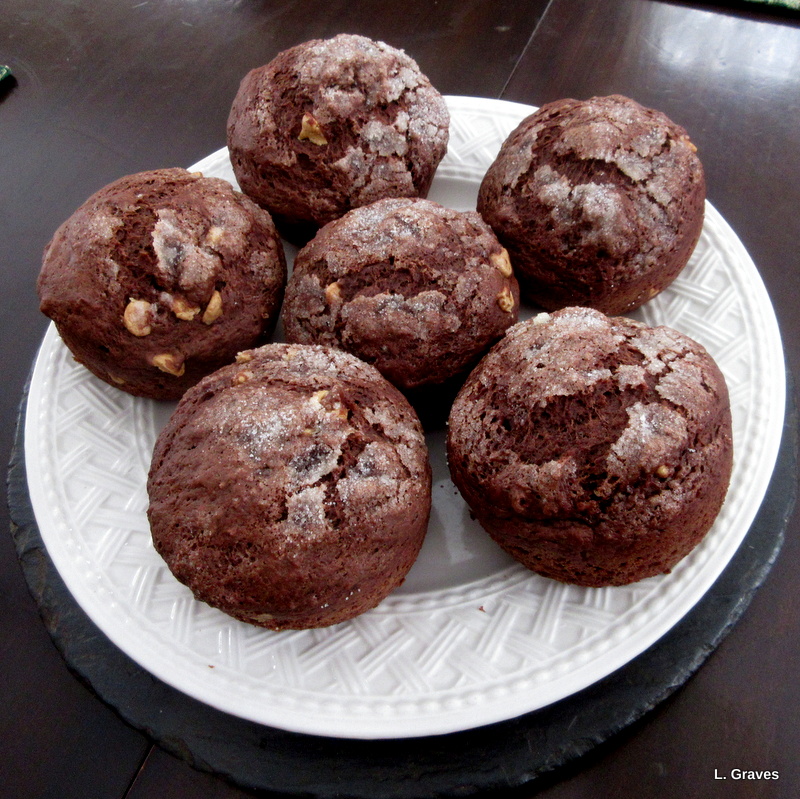
The chocolate muffins, on the other hand, had a pleasing muffiny shape. These muffins are egg free and dairy free, but judging from the flavor, you’d never know it. I’ve developed the recipe on my own, and for those who feel daring, I have included it at the end of this post.
Along with food, throw in board games as well as movies and that was our weekend.
And this morning—Monday—when I got up, the temperature had dropped from its high of 50° to a brisk 10°. In two days’ time, the temperature had dropped 40°.

Time to make some more muffins, I think.
**************************************************************
Cocoa Muffins, Egg Free and Dairy Free
Ingredients
- Three tablespoons water mixed with 1 teaspoon psyllium husk powder
- 1 cup almond milk (oat milk or soy milk would work fine, too.)
- 1/4 cup vegetable oil
- 1 teaspoon of vanilla
- 1/2 cup sugar plus a little more for sprinkling on top
- 2 cups all purpose flour
- 4 tablespoons of cocoa powder
- 3 teaspoons baking powder
- 1 teaspoon salt
- 1/2 cup of peanut butter chips or chocolate chips (optional)
Directions
- Preheat over to 400°F.
- Grease or spray muffin tin.
- In a large bowl, mix the 1 teaspoon of psyllium husk powder with 3 tablespoons of water. Let it set a minute or two until it jells.
- Into the jelled psyllium husk powder whisk in the 1 cup of almond milk, 1/4 cup vegetable oil, and 1 teaspoon of vanilla.
- Stir in 1/2 cup sugar.
- Sift together the 2 cups flour, 4 tablespoons cocoa powder, 3 teaspoons baking powder, and 1 teaspoon salt, and mix into the sugar/psyllium mixture just until flour is moistened. Note: The batter will be very thick. The muffins come out fine this way, but a tablespoon or two of additional milk can be added for a thinner, batter, which also makes good muffins.
- Fold in peanut butter chips or chocolate chips, if using.
- Fill muffin cups 2/3 full. Sprinkle sugar on top.
- Bake 20-25 minutes, until a toothpick inserted in the muffin comes out with a few sticky crumbs.
Makes 6 large muffins or 12 medium muffins.
Snow Path to the Front Door

Winter Deepens: White on Red
Deep winter in Maine and another snowstorm last Friday. The birds flocked to the feeders and ate their fill, trying to keep warm in the frigid weather. This red beauty always catches my attention. If you look carefully, you can see the snow falling in front of the cardinal.

I wasn’t sorry to see more snow. The gardens now have a good layer to protect them from the extreme cold.
But I do wonder: Can a pig fly when there’s snow on his wings?

In the backyard, I like the way most of the bee balm stems stand at attention.

In the front yard, there was also red. By late afternoon, the snow was up to our car’s hubcaps, and we knew the time had come to clean the driveway and walks.

Judging from the snow on the deck’s rail, I would say we got about six inches.

Inside there was red, too, with my little book, which came in the morning ahead of the storm. In a rare example of getting ready way ahead of time, Clif and I have been working on the Dog Angel for the next holiday season, when—we hope—we will be going to craft fairs again.

More white on red, just like outside our home during the winter. I hadn’t made this connection before, but now that I have, the book’s cover pleases me more than ever.
***********************************************************
In the winter in Maine there is no better time for movies, and on Sunday we watched Joel Cohen’s incredible The Tragedy of Macbeth. As a word person, I have been smitten by Shakespeare since I was in seventh grade, when we read a couple of his plays out loud in class.
In Cohen’s version, the words are still there. This is Shakespeare, after all. But oh the cinematography! Shot in black and white completely on sound stages, this play of murder and madness has the pitch and look of a fevered dream—internal, psychological, and utterly compelling.
Tour de force is often overused, but that’s what this movie is. If you like Shakespeare, do watch Cohen’s The Tragedy of Macbeth. The short trailer below gives some idea of the tone of the movie.
Cleaning the Roof
Yesterday, Clif scraped the roof of the house to remove the snow from the eaves.
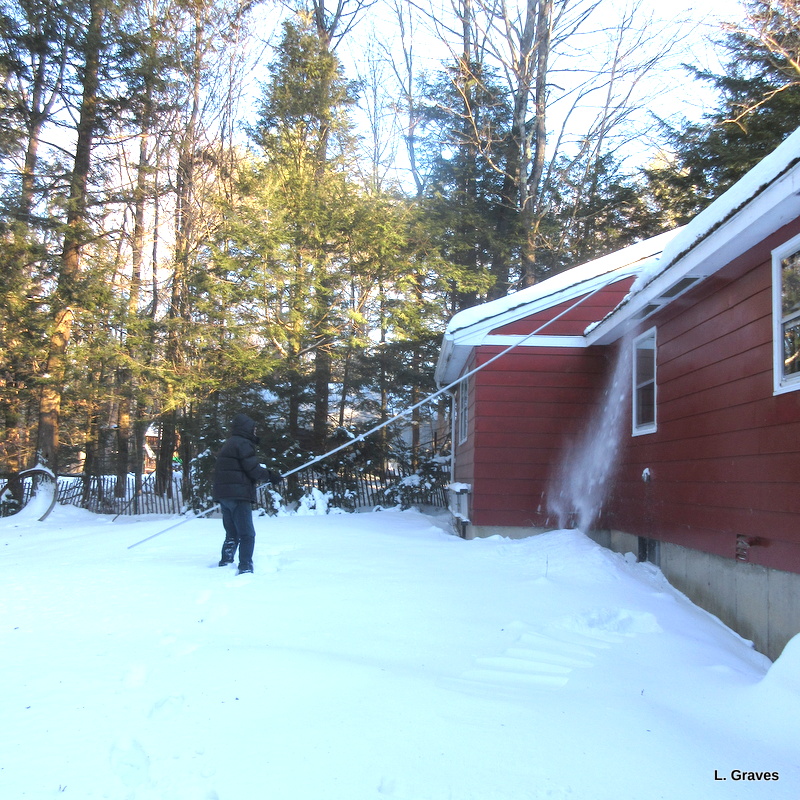
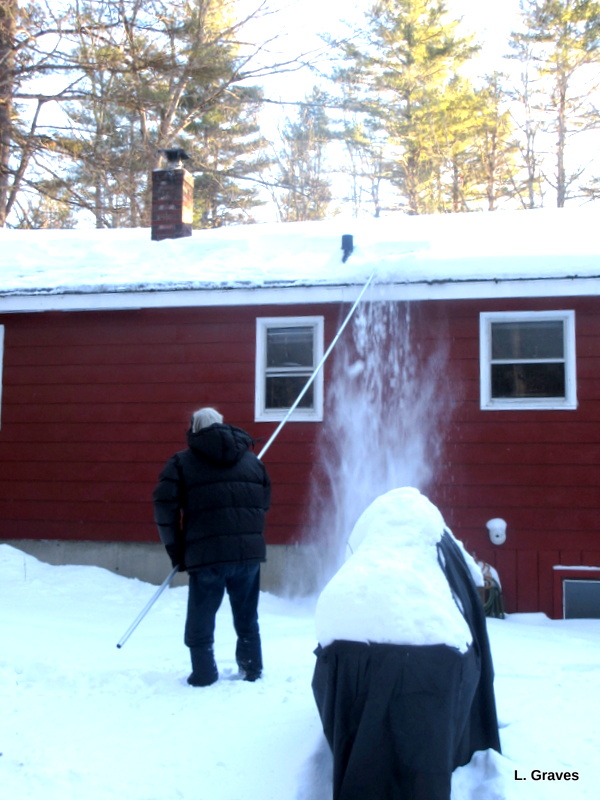
It’s hard but necessary work. If the roof isn’t scraped, then ice dams form along the edge by the eaves. From the Spruce, here is a description of how ice dams form: “Ice dams begin when snow melts on an upper, warmer part of a roof, then flows down to the colder eave overhang, where it refreezes. As the ice accumulates, it forms a blockage that prevents additional snowmelt from flowing off the roof. The ice now begins to back up under the roof shingles, where it melts again, soaking the roof sheathing and leaking into the attic.”
Because we heat with wood, the chimney throws heat above the insulation and below the roof, thus making the situation worse. A metal roof would solve the problem. The snow would not only slide off, but because the roof would be one piece, there would be no undermelt. But a metal roof is expensive. However, probably in the next few years, we will spring for a metal roof.
In the meantime, Clif scrapes off the snow.
The Snow’s Just Barely Up to the hubcaps
On Saturday morning the snow began to fall. Birds flocked to the feeders and clustered on the ground to eat the seeds Clif had scattered the day before.

The wind blew threw the trees and whipped around the house, a cold sound that made me shiver. A hint of things to come during this nor’easter?
On the stove, pots of water were at the ready should we lose our power. I also made some cocoa muffins and frosting for graham cracker sandwiches. I iced a couple of the muffins just for fun, to see which we liked better—plain or frosted. Not surprisingly, the frosted ones were the favorites. I was particularly pleased with the muffins. For the first time, I used psyllium husk powder—one teaspoon of powder mixed with three tablespoons of water—instead of an egg. The results were far better than I had imagined. The muffins were moist, cakey, and delicious.

Buoyed by my success, I put on my coat, hat, and boots and headed outside to take some stormy pictures. The weather was brutal even by my standards—10°F with a stiff wind, which blew the snow in my face. As I walked, the snow crunched and squeaked as it does when the weather is really cold.
I went to the end of the driveway to take a picture of our snowy road.

Turning from the road, I snapped a picture of our cozy home in the snow. If you look closely, you can see my footprints in the driveway.

Shivering as I went back down the driveway, I got some more stormy-day pictures.


Through social media I learned that stores large and small—from the Art Walk in town to Barnes & Noble in Augusta—had closed. A good decision as the roads are always slippery during a big snowstorm. Unless you are an essential worker, the best place to stay is home.
Midafternoon, Clif looked out the window in the dining room as he tried to decide whether to clean the driveway. The wind was blowing even harder, and the snow was slanting sideways.
“Well,” he said, “the snow’s just barely up to the hubcaps on the car.”
Spoken like a true Mainer. Clif decided to wait until the next day.
As it turned out, this was a good choice. Maine escaped the worst of the storm, which hit coastal communities farther south, especially in Massachusetts. We only got nine inches of light, fluffy snow—easy to clean—and best of all, we didn’t lose our electricity. There wasn’t even a flicker of lights.
The next day was sunny and beautiful. Not long after we got up, we went out to clean up the snow—Clif with Snow Joe and me with the shovel. As I began cleaning around our mailbox across the street, our kind neighbor came by with his truck and plow and asked me if I wanted him to punch through. Did I ever!
The worst part of clearing the driveway after a good-size storm is what we call the wall o’snow left by the town plow at the end by the road. If you click on the picture to enlarge it, you’ll get a better sense of wall o’snow.

I am happy to report that Snow Joe easily took care of wall o’snow as well as the rest of the driveway. Yay, Snow Joe!

Here is one last picture of the sun, shadow, and snow.

Clif still has one more task to do, arguably the hardest one of all. That is, cleaning the roof.
Pictures tomorrow.
15 Below Zero: Back to a Real Maine Winter
At 7 a.m. it was 15 below zero, and more than a little brisk.

Inside, when I woke up, it was a balmy 60 degrees, and in bare feet, I hurried across the cold kitchen tiles to turn on the gas heater. Rest assured that as I type this, I am wearing socks and warm slippers. 😉
While such extreme cold is unusual nowadays, when I was young it was common to have a stretch of cold weather like this the end of January.
It was also common to have big snowstorms, nor’easters, blow up the coast, and we still have those each winter. This weekend, the weather forecast predicts a nor’easter, and right now we are slated to get between eight to ten inches of snow. The coast might get twenty inches. Good thing we have Snow Joe to help with the clean-up.
I’ll be out with my camera to get pictures of the storm.
Stay tuned.
 Notes From the Hinterland