
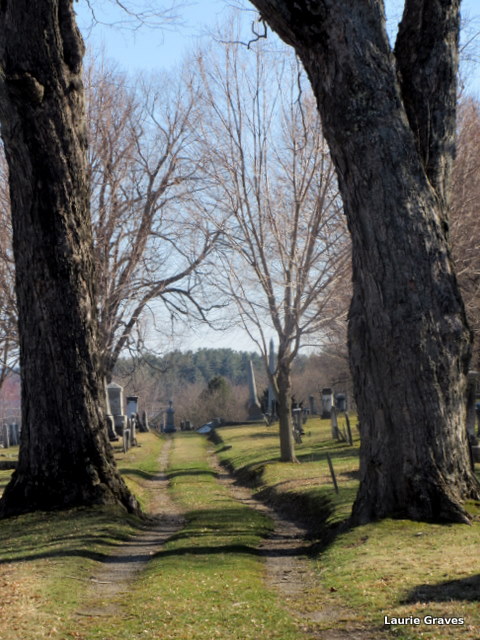
Yesterday was a sunny day with a clear blue sky. Before going to a meeting at the library, I stopped to take pictures at the lovely old sliver of a cemetery in the middle of Winthrop.
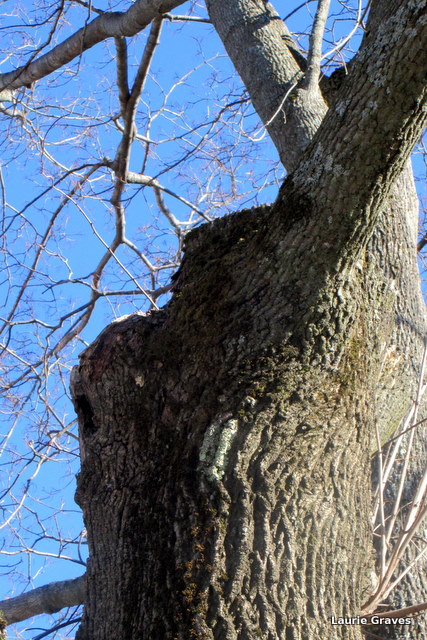
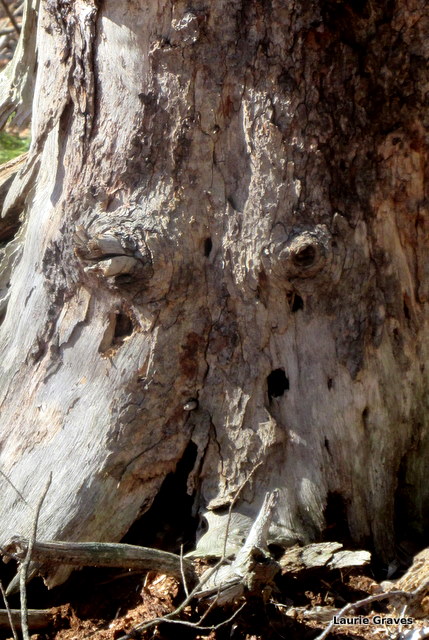
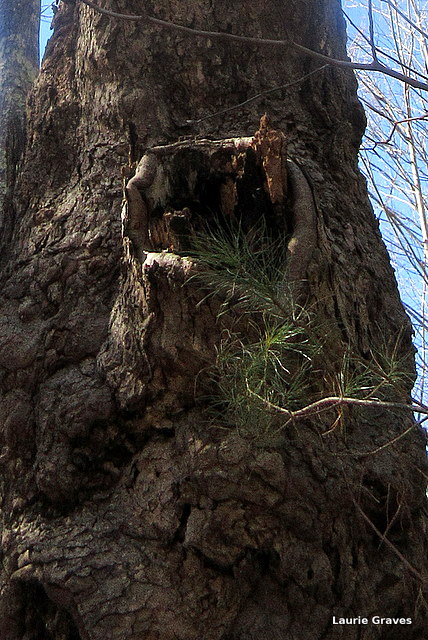
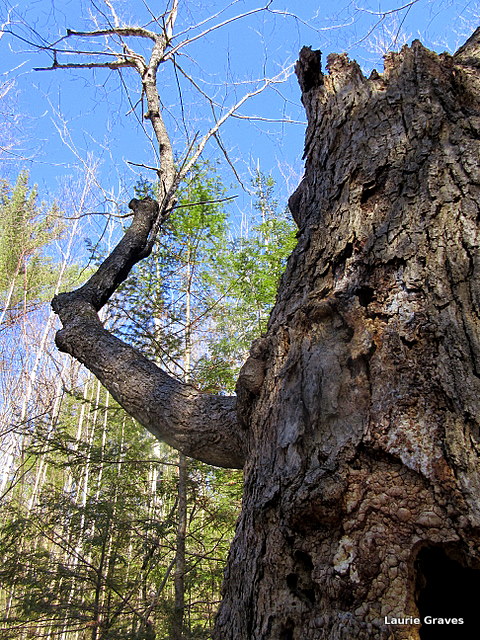
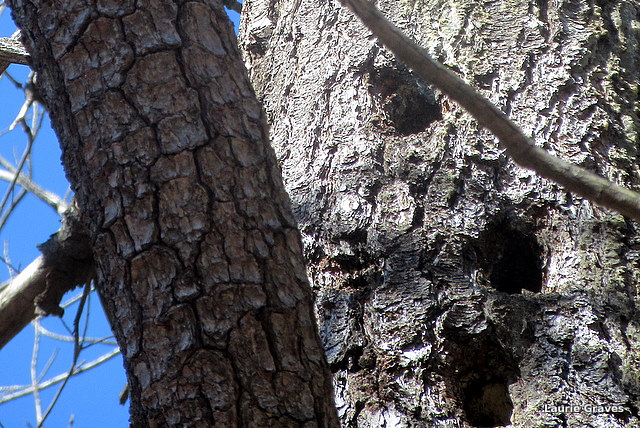
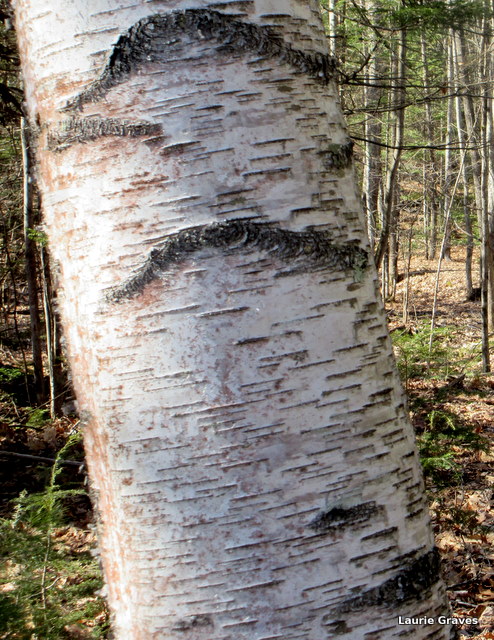
As to be expected, there were tree spirits in the cemetery, and I caught a picture of one.
Then I turned my attention to four very old gravestones.
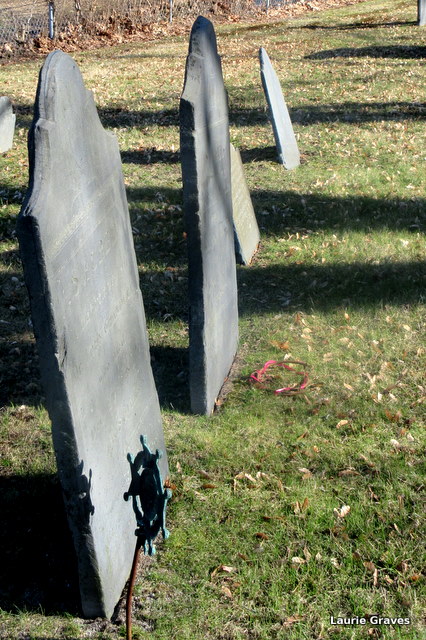
I decided to focus on one of the smaller ones, which I expected would mark a child’s grave. In part, I was right, but the stone, in fact, marked the graves of two children, both with the name Susannah.
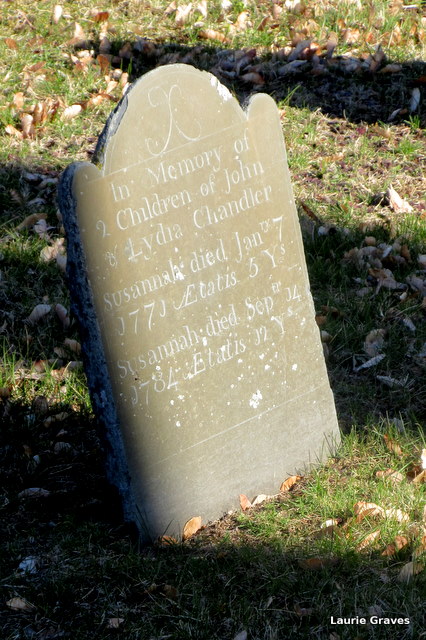
The first Susannah died in 1771—when we were still a part of Britain—and she was five years old. The second Susannah died in 1784—we were then the United States of America—and she was twelve years old. If my math is correct, the second Susannah was born a year after the first Susannah died.
To modern parents, it is a very strange notion to use the name of a dead child for the next sibling of the same sex. Somehow, it seems morbid if not downright creepy. However, it is my understanding that this was fairly common practice in America in the 1700s when the child mortality rate was appallingly high. Names, often ones that had been in the family, were reused if a child died.
Different sensibilities for different times, and that little gravestone marks the story of one family’s grief in losing not one but two Susannahs. I understand that parents in the 1700s were not unaccustomed to losing young children. Nevertheless, it is my belief that these parents grieved, too, even if a child’s death was all too common. To mourn is human, whatever the century.
Indeed, in the mid-1800s, a time when children still died at an alarming rate, Louis Pasteur would write in a letter that another one of his dear children had died of typhus. Three of Pasteur’s five children would die from this illness, which influenced his decision to study infectious diseases.
With all these morbid remembrances of lives ended too soon, you would think the Winthrop cemetery would be a grim place. But somehow, it isn’t. Like so many New England cemeteries, it is peaceful and serene, a place of beauty, even.
I especially love how snippets of stories, the human story, are told through the gravestones and remind us of how things were both different and the same back through the centuries.






 Notes From the Hinterland