Category Archives: Nature

The Loveliness of Decay

Yesterday, I took a break from coughing to wander around the yard at the little house in the big woods. The air was filled with the delightful nutty smell of fallen leaves. Oh, if we could only bottle it. I know. Fallen leaves mean raking, but that’s all right. I really don’t mind being outside on a crisp day and raking the leaves. Also, it gives the dog plenty of time to run and bark, his two favorite things.

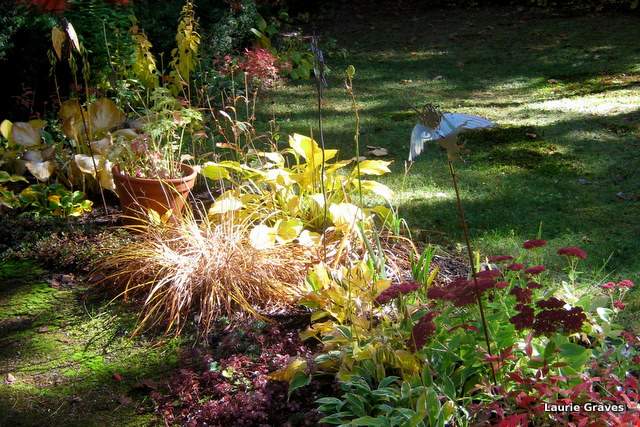
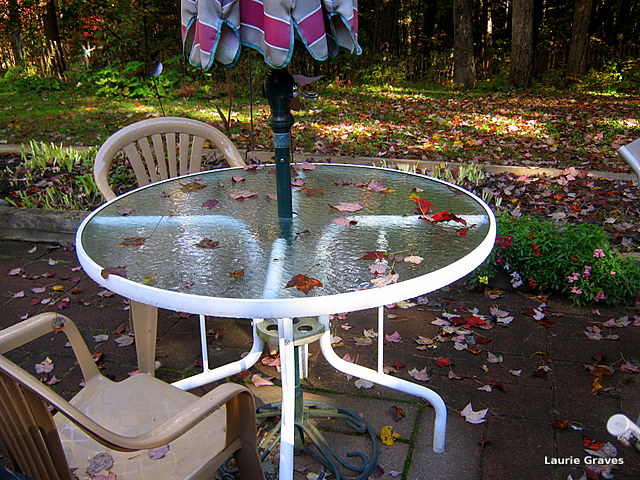
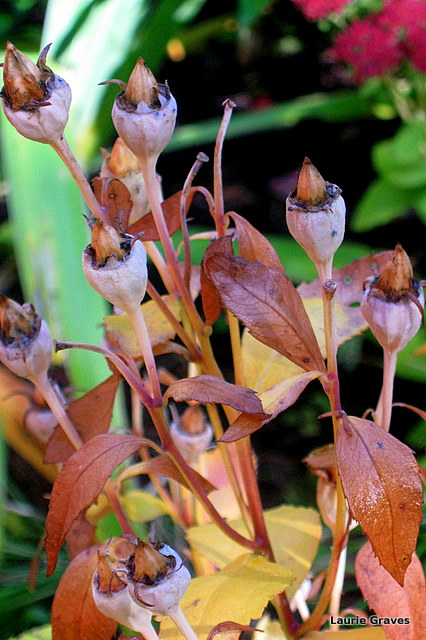
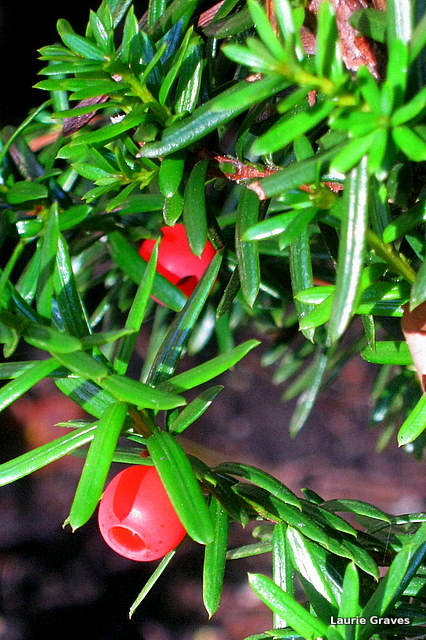
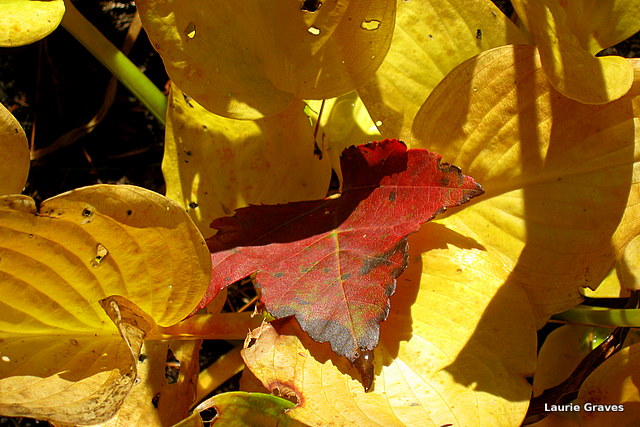
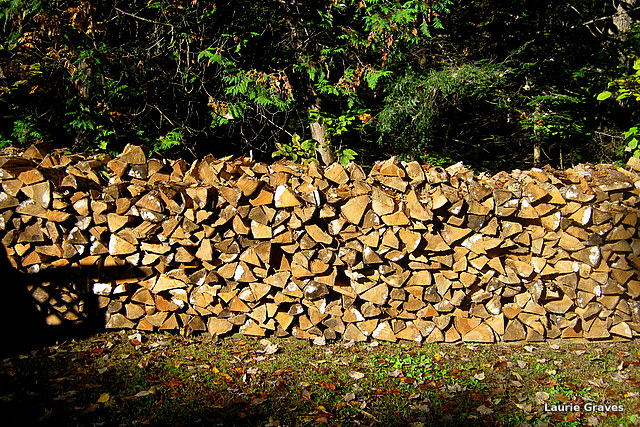
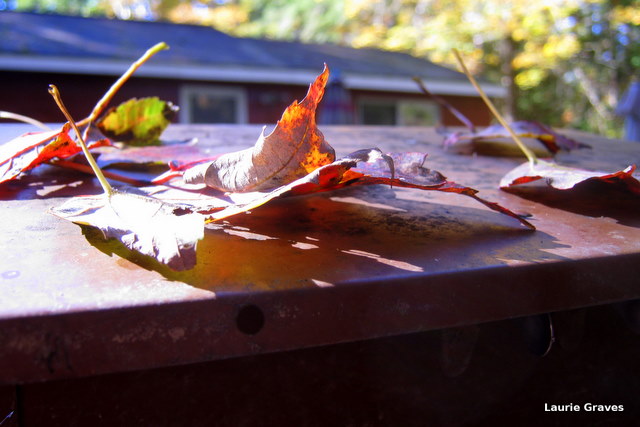
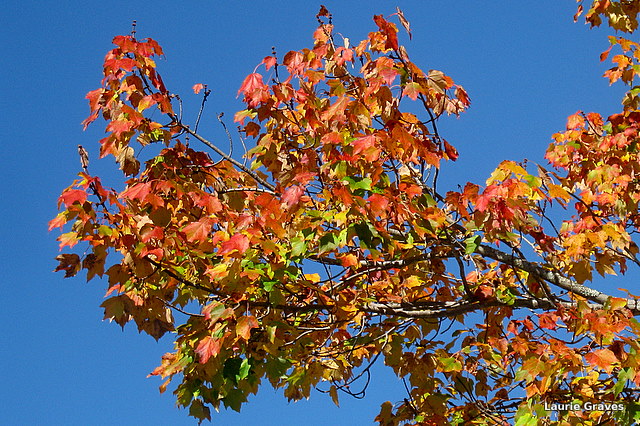
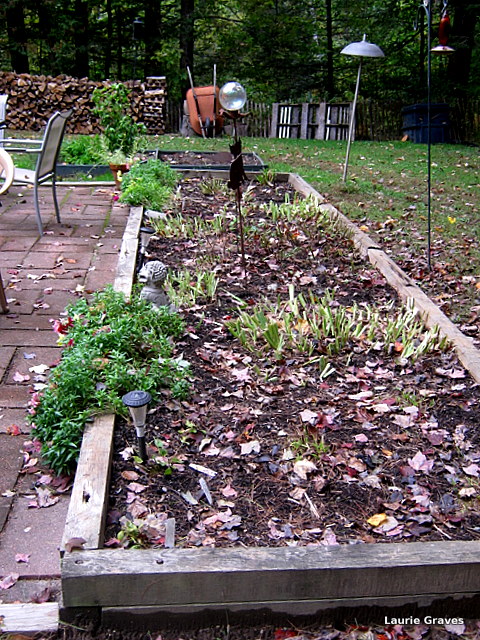
Here are some pictures of the yard and garden. Who knew that decay could be so lovely? In a golden, melancholy way, of course.

IMG_2728

IMG_2732

IMG_2726

IMG_2722

IMG_2718

IMG_2699

IMG_2696

The Poetry of Earth

IMG_2636“The  poetry of earth is never dead….The poetry of earth is ceasing never.” —John Keats

I suppose the poetry of Earth thrums in all places, from the Pacific islands, where it is never cold, to Antarctica, where it is never hot.  But it seems to me this poetry is especially strong in New England, where there are four seasons, each with a definite chapter. I have lived in Maine for so long that I can visualize each chapter and remember the smells, the heat, the cold, the sounds, and the silence.

For a gardener, fall’s chapter is always a little sad. The flowers and the hostas are way past their peak and must be cut back. But as Johanna, from the blog Mrs. Walker’s Art and Illustrations, recently reminded me, “And indeed better look at the glorious colors of fall and give the plants their deserved sleep whilst enjoying the harvest! Nothing melancholy about that!”

Johanna is right—those glorious colors; the golden light that shines even on an overcast day; and the harvest—the squash, the apples, the pears, the potatoes. There is indeed nothing melancholy in all this. In fact, the crops in Maine have been so bountiful this season that we can rejoice to have such plenty while keeping in mind that other parts of the country are suffering from drought. Nationally, canned pumpkin might be in peril, but fresh Maine pumpkins are not.

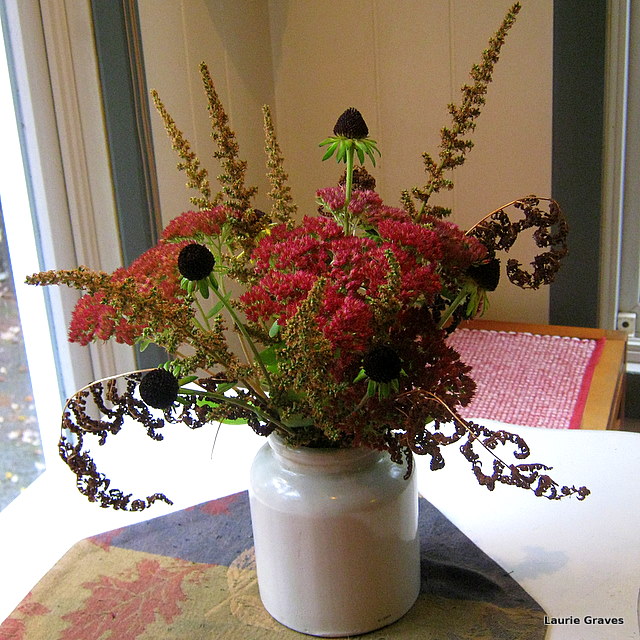
Duly reminded of the glories of autumn, I decided to see if I could scrape together a bouquet for the dining room table. In the gardens at the little house in the big woods, there isn’t much left to choose from. But here again, another blogging friend came to the rescue—this time Eliza, from her blog Eliza Waters. She puts together the loveliest arrangements and uses material, much of it dried this time of year, that I had never considered for an indoor bouquet.

So out I went with my scissors. I snipped some sedum, which is still a vibrant pink. That was the easy part. To the sedum I added dried, curling ferns, the stalks of astilbe, and the seed heads from black-eyed Susans.

IMG_2687

While the results would never win a prize in a competition, I was pleased nonetheless with how the bouquet turned out. I had used what my gardens had to offer to bring a bit of fall inside.

It would certainly be a stretch to call the arrangement poetry, but with the help of a couple of my blogging friends, I have listened to fall’s poetry.


The Consolation of October

As it turns out, I had a nasty little flu rather than a miserable cold. By Friday night, my temperature was nearly 102, but the next day, Saturday, I felt significantly better. By Sunday, I was more or less back to my normal schedule. I even did some cutting back in the garden.

Unfortunately but not unexpectedly, Clif caught what I had—couples sure do like to share. But he should be fine by next weekend, when Dee is coming home from New York to help celebrate yet another retirement fête for Clif. (This should be the last one. Clif has certainly retired in style.)

Being sick, of course, is no fun, but I much prefer short and brutal over long and miserable. I have had colds stretch out for a week or two, with coughing at night to make sleep next to impossible. At least what I had was over in a few days, and a good thing, too, as there is much to do outside to get the yard ready for winter.

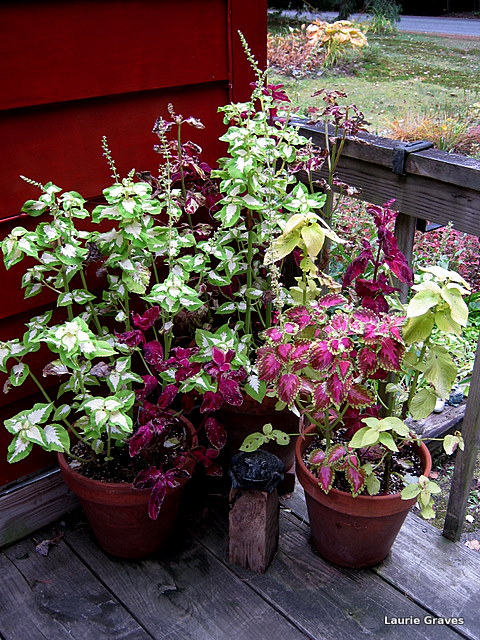
We still haven’t had a hard frost, but for the most part, the gardens and potted plants have had it. The coleuses have taken on a leggy, spiky look, and I hope to have them removed by the end of the week.

IMG_2586

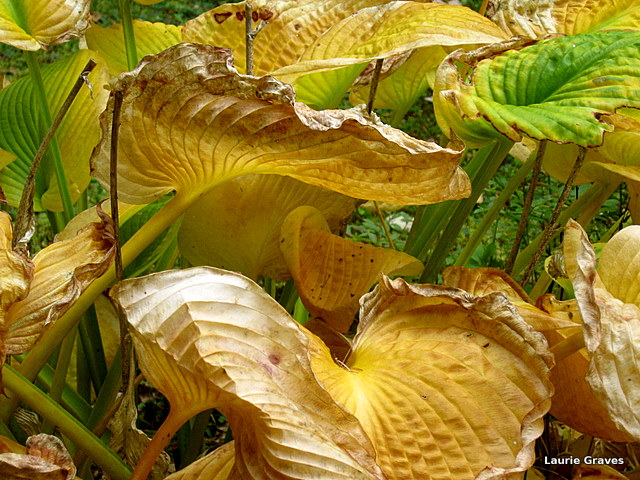
The hostas have become yellow and curled, and yesterday I began cutting them back.

IMG_2618

The leaves of the evening primroses have turned a lovely red, and I’ll cut those last.

IMG_2607

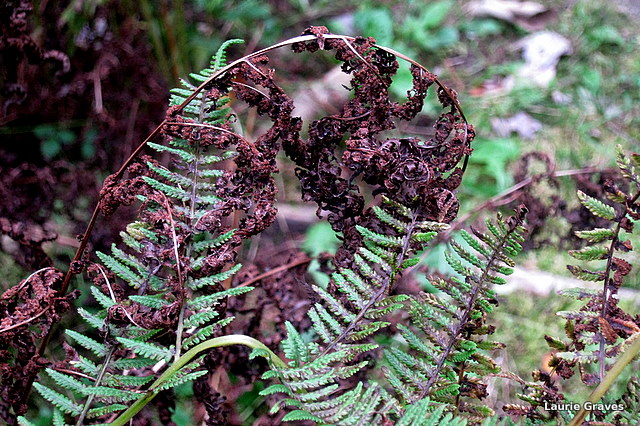
The ferns, too, have had it and are curling back into themselves. I don’t clip the ferns. I let them take care of themselves, and this seems to work just fine. Each spring, they return in a vigorous burst of green.

IMG_2606

For a gardener, fall can be a melancholy time. The clipped plants give the gardens a shaved look.

IMG_2590

Soon all the garden ornaments will be stored down cellar, as we Mainers like to say. The patio furniture will come in, and the grill will be moved onto the lawn. How sad, bare, and lonely it all looks when this happens.

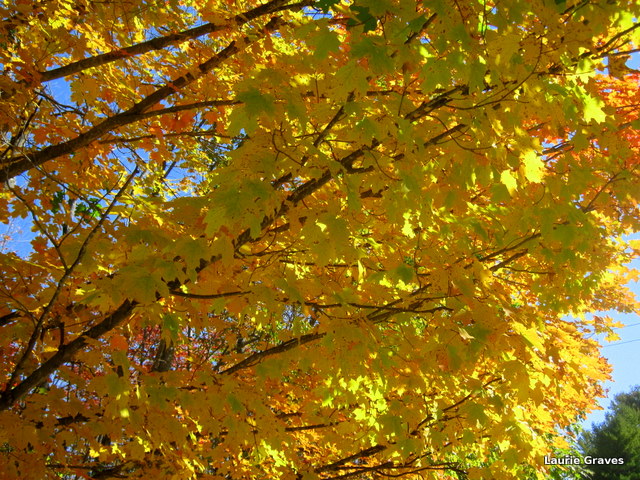
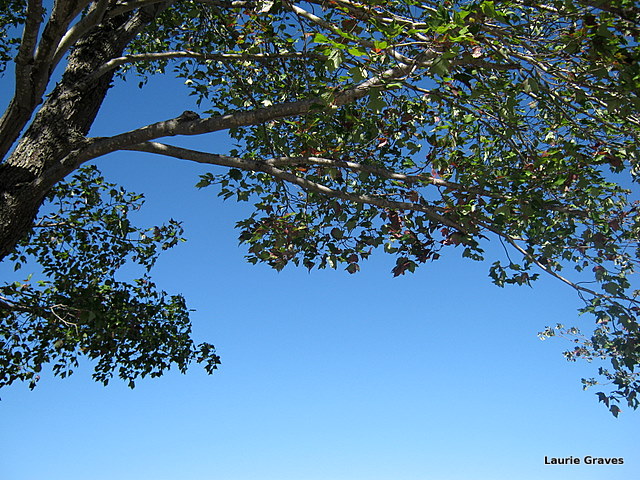
Good thing, then, that October is such a beautiful, golden month. It’s almost as if she were saying, “Yes, I know brown, austere November is coming, and after that the long cold of winter, but before it does, I’ll give you some deep blue skies and some blazing leaves as consolation.”

And indeed, what a consolation!

IMG_2672


Another Look at Squirrels: From An American Year by Hal Borland

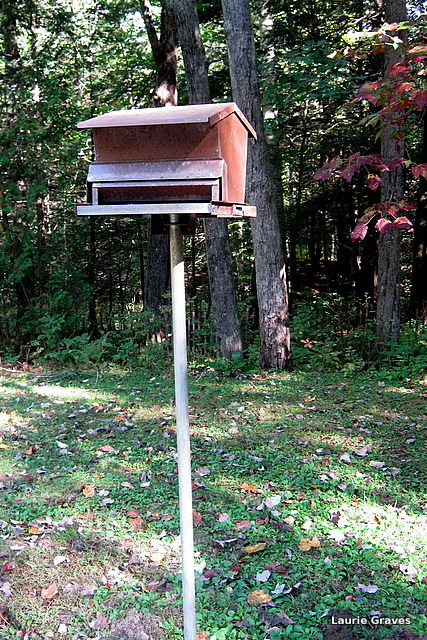
The bird feeder, sans squirrels

If you feed birds, chances are that you consider squirrels to be nothing more than a nuisance.  Indeed squirrels eat so much seed that it is often difficult to keep a feeder filled, especially a small one.  While I have no particular grudge against this furry animal who, after all, is just trying to make a living, I am very mindful about the cost of sunflower seeds. Our budget simply does not allow for replacing the seeds that the squirrels whip through with such astonishing speed. I compromise by spreading seed on the ground—some for the squirrels as well as crows, mourning doves, and, yes, mice.

Recently I came across a writer—Hal Borland—who also had some sympathy, and even empathy, for squirrels. According to Wikipedia, Hal Borland “was a well-known American author and journalist. In addition to writing several novels and books about the outdoors, he wrote ‘outdoor editorials’ for The New York Times for more than 30 years, from 1941 to 1978.”

In An American Year Borland writes about baby squirrels by his home. “Our baby squirrels were down on the ground today, for the first time. After that initial venture from the nest, they came out each morning, gaining confidence by the minute….But even on the fourth day they still descended the tree tail downward, in the manner of a black bear cub.”

Borland then goes on to describe how gradually the babies learned to go down head first and how cautious and frightened they were when they were on the ground. But Borland concludes, “From now on they’ll be coming and going many times a day. The mystery is broken. They have found the ground. The world is theirs—for a time.”

Even though I have lived in the woods for over thirty years, I have never been lucky enough to see baby squirrels venture to the ground for the first time. How I would love to see this!

Borland, with his beautiful, precise prose, reminds me yet again what an observant layperson can bring to nature writing. But better still, he reinforces my belief that when you look closely at the natural world, you can gain not only knowledge but also sympathy for the creatures who are struggling to earn their keep.

To my way of thinking, this sympathy can only be a good thing, especially when you consider how quickly we humans are driving so many animals to extinction.

For now, anyway, the squirrels are thriving. Next spring I’ll be on the lookout for baby squirrels leaving the nest.

And I’ll definitely be reading more of Hal Borland, who was introduced to me by Gladys Taber, in one of her books.

A Day at Local Breweries for Himself and a Day at the Beach for Me

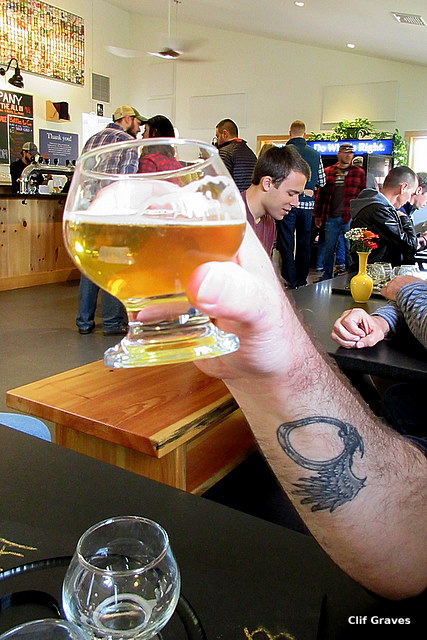
Yet again, Clif celebrated his retirement, and this event was orchestrated by our son-in-law Mike, who arranged a Maine Brew Bus tour of several local breweries in the Portland area.

IMG_0159
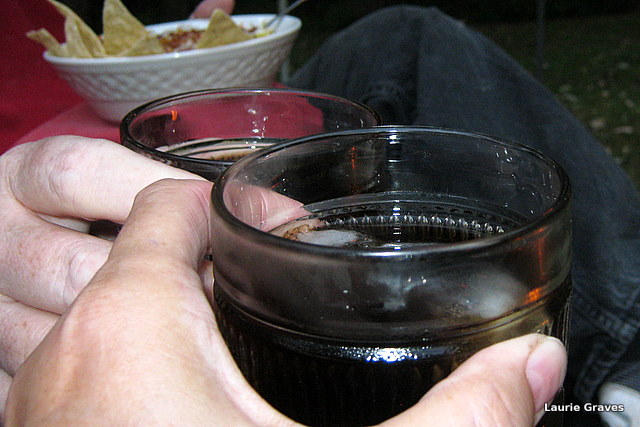
Raise the glass high


While Clif and Mike had a jolly afternoon sampling beer, Shannon, the dogs, and I had our own jolly afternoon on Crescent Beach in Cape Elizabeth. (Shannon and I are, ahem, decidedly unenthusiastic when it comes to beer, which means that an afternoon on the beach appeals to us far more than an afternoon drinking beer.)

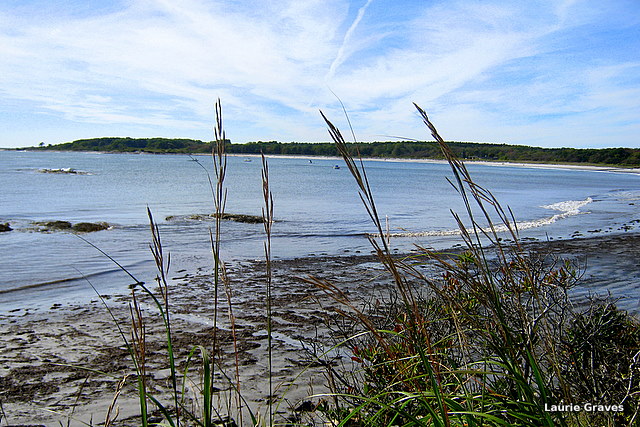
Like Popham Beach, Crescent Beach State Park is relatively undeveloped. No condos or shops crowd the beach, and it is a lovely slip of sand, water, waves, and rocks. There is an inn by the beach, but it is back far enough to give the seaside plenty of breathing space. Crescent Beach doesn’t have the grand sweep of Popham Beach, but it is nevertheless one of my favorites.

From October 1 to March 31, dogs are allowed on the beach, and the five us had a splendid, sparkling time of crashing waves, gleaming rocks, warm sun, and blue sky.

IMG_2480
Beach grass by that lovely slip of beach


IMG_2484
Shannon and the dogs on Crescent Beach


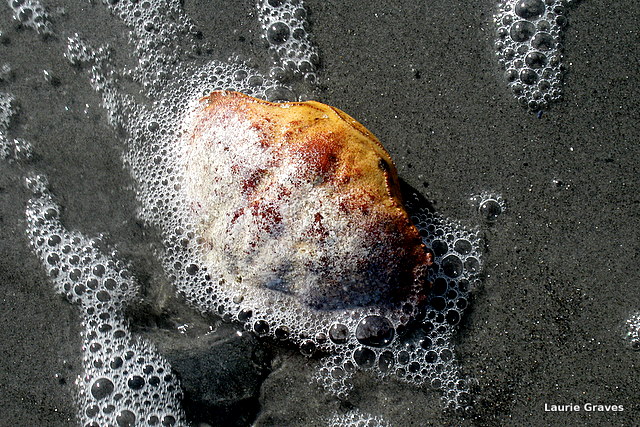
Shell and foam
Shell and foam


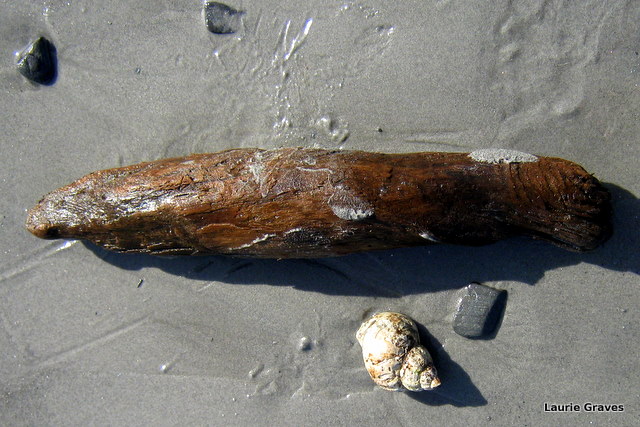
Wood and shell on sand


After the beach and breweries, we gathered at Shannon and Mike’s for pizza and homemade apple crisp. It was a finest kind of day.

Fall Comes Slowly and a Poem for Clif

Fall is slow to come this year. The weather has been very warm, and although the nights have been cool, there hasn’t been even a hint of frost. The basil is as full and vigorous now as it was in August.

Then there are the leaves on the trees. Judy, on her blog New England Garden and Thread, observed that “the turning of the leaves is going very slowly.” We live quite a bit north of Judy, but the same is true for central Maine. In some trees there is just the slightest tinge of color, but with most trees, the leaves are still green, as the picture below illustrates.

IMG_2193

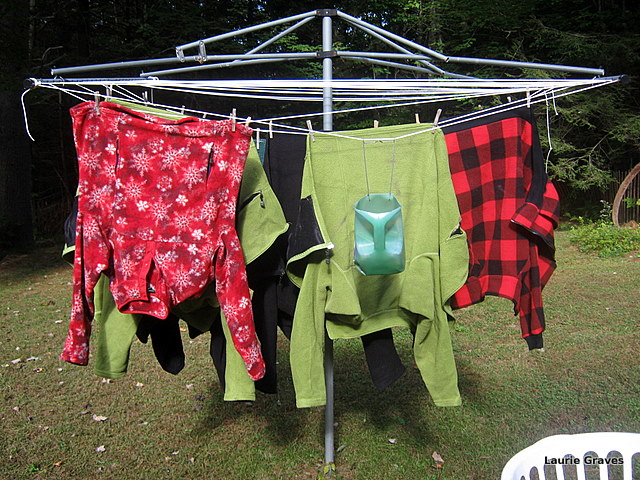
Nevertheless, despite the warm weather and the green leaves, I decided it was time to wash our fall fleeces so that we would be ready when colder weather comes. I love how colorful those fleeces look on the line, and I am always dumbfounded when I hear that certain places have banned clotheslines. I hope I never have to live in such a neighborhood.

IMG_2349

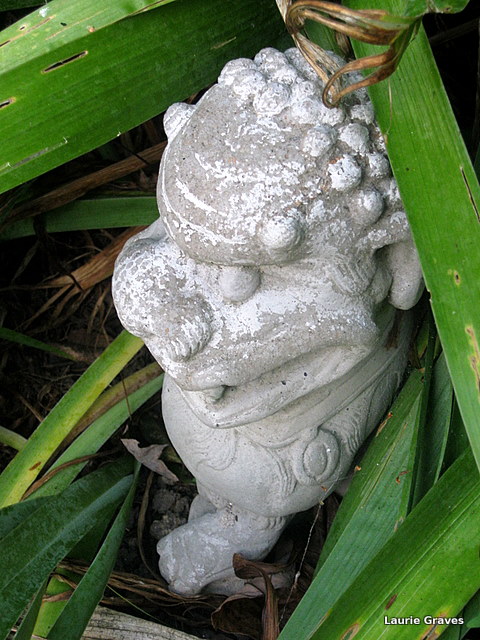
Temple dog is still guarding the ragged flowers, but soon I will be going out to cut back the garden, and it won’t be long until there isn’t anything left to shade that little head.

IMG_2353

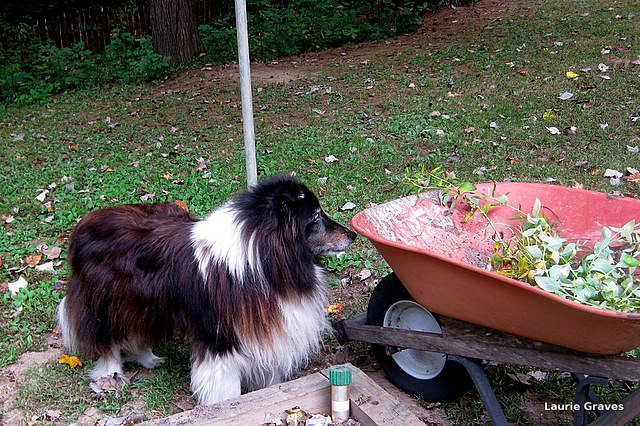
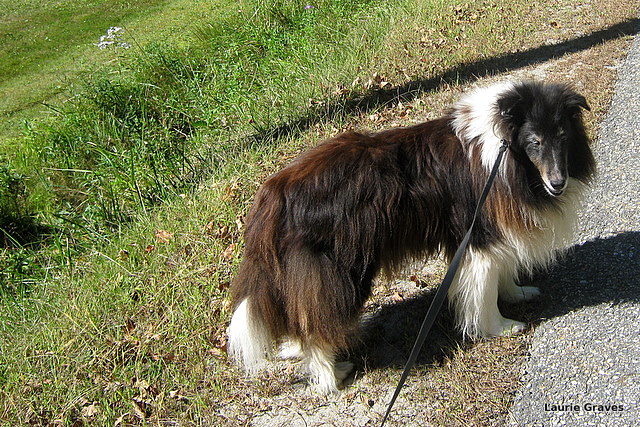
Liam, the yard dog, will supervise, and this is one of his favorite activities. Being a herding dog, he loves to bark and circle the wheelbarrow as I remove the clippings from the garden. Well, we all have our jobs to do, and Liam takes his job very seriously.

IMG_2410

Yesterday, in the comments’ section of the post I wrote about Clif’s birthday, our friend Claire Hersom shared a poem in honor of Clif’s special day at the ocean. Claire is such a fine poet, as well as a friend, that I thought the poem needed to come “out front,” so to speak, where more people would read it.

The Edge
Undertow tugs the valley of the next wave
curling it into a crunch that crashes
as loud as gulls low-flying the sand,
screeching for tidbits on our beach blanket.

We walk the shore as if one person,
my pink bonnet to shade my eyes
and you, a seven year old of burnished gold.

You wade in deep tidal pools
fearless of the ocean that runs up the bank,
swoons, then cascades back, never quite
catching sandpipers stuttering along beside
a vastness we barely comprehend.

Our eyes scan the sky at the sea’s blue-white line,
the timbre of our voices swallowed. The wind,
as it did before memory, sings it back,
our red, painted toe nails teetering
on the thin line of discovery.


Many thanks, Claire!

A Perfect September Day in Which We Head to the Beach to Celebrate Clif’s Birthday

IMG_2318Sunday was Clif’s birthday, and a week ago, I asked him what he wanted to do on his special day. “If the day is good, go to the ocean,” he promptly replied.

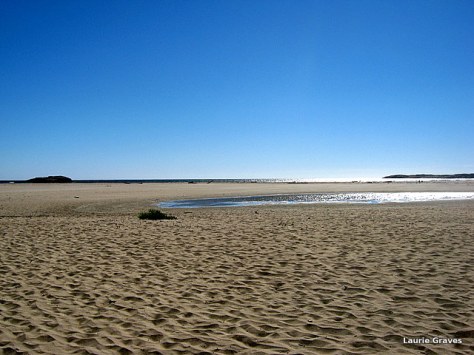
Yesterday was very good indeed, one of those bright September days with nary a cloud in the sky. We packed crab salad sandwiches, grapes, and cookies, and off we headed for our favorite beach—Popham Beach State Park. We love this beach for its broad expanse of sand, especially when the tide is out, but we especially love how the beach is not overdeveloped. On the state park end of things, there is nothing but sand, rocks, sea, and sky, but even when you leave the state park, there are no condos, no honky tonk, no gift shops. Instead, there are a few cottages, one small restaurant, not visible from the state park, and an old ruin of a fort, built in 1807.

After our picnic—a brisk one because of the ocean breeze—we walked the beach. Luck was with us—the tide was going out—and in the clear September light, this beach was even more beautiful and sparkling than it usually is. It was almost as if the beach were saying, “Yes, I show my beauty in the summer to all the tourists, but I am most radiant in the fall, after most of the tourists have left.  It is my gift to all those who are hardy enough to stay here year round.”

We brought our wee cameras, of course, and we happily snapped pictures to record our walk.
IMG_2234

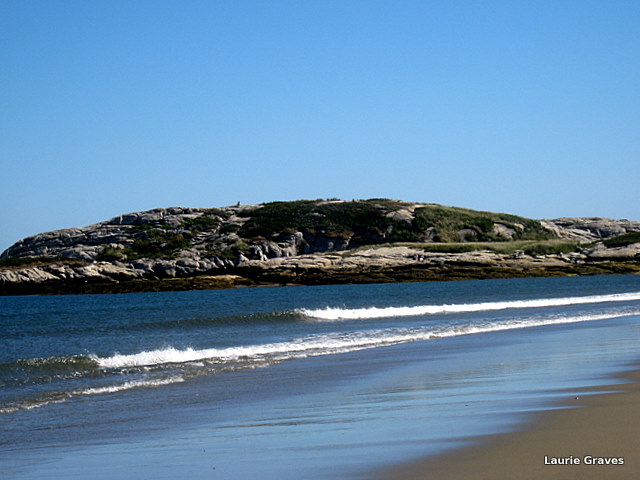
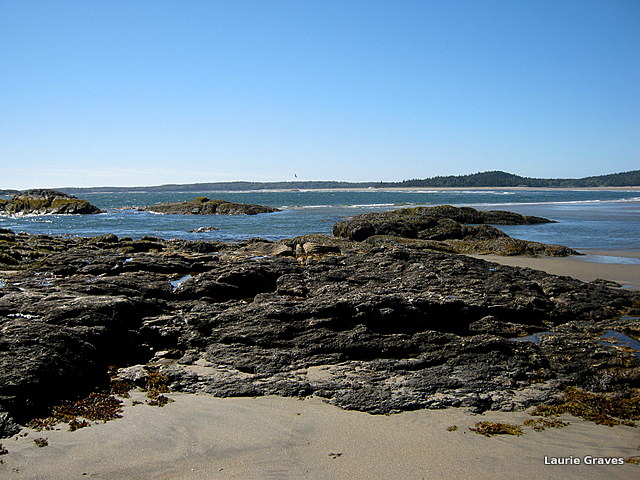
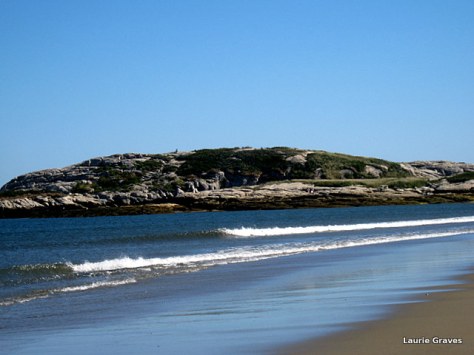
Because the tide was out, we headed to an island that can be reached only at low tide.
IMG_2253

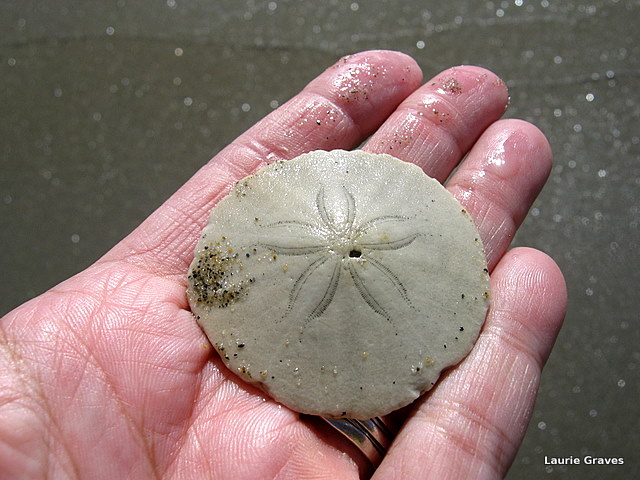
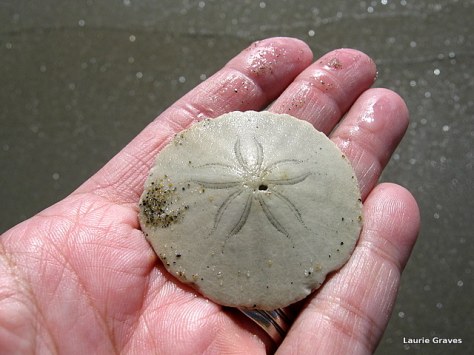
On the way, I found an intact sand dollar, which I tucked in my pocket for safe transport.
IMG_2272

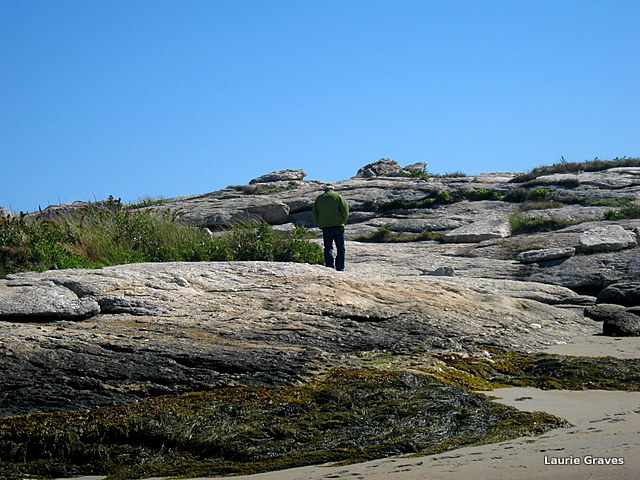
At the island, Clif climbed to the top.

IMG_2283

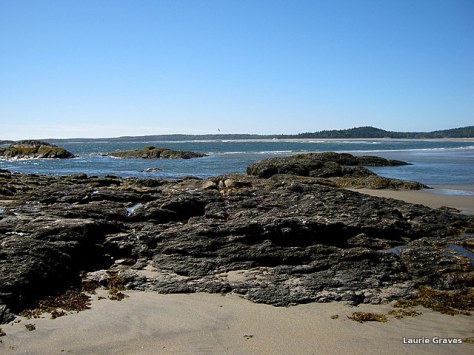
While Clif explored the island, I found a rock seat and had my moment of Zen as I watched the water and the sky. Truly, I could have sat there for hours.
IMG_2295

My moment of Zen must have given me a pleasant expression because two women—about my age—stopped to speak to me. They were complete strangers, but I was happy to chat with them. (This happens surprisingly often to me when I am at the beach. For some reason, strangers like to chat with me.)

All too soon, it was time to head back. At the edge of the beach, fragrant roses were still in bloom.
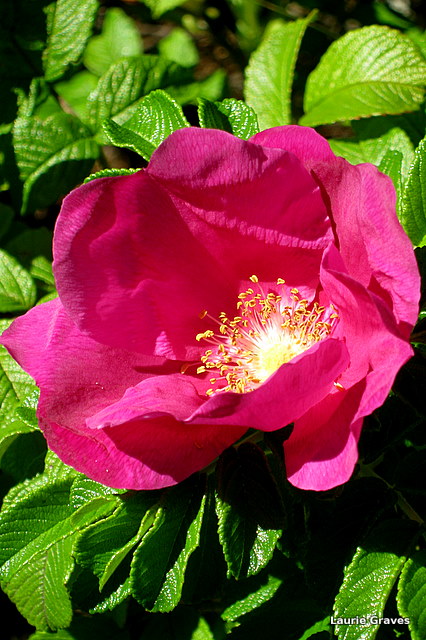
IMG_2331

All the way home, we thought about the sea, the sand, the sparkling water, and the deep blue sky. A perfect day that needed a special ending.

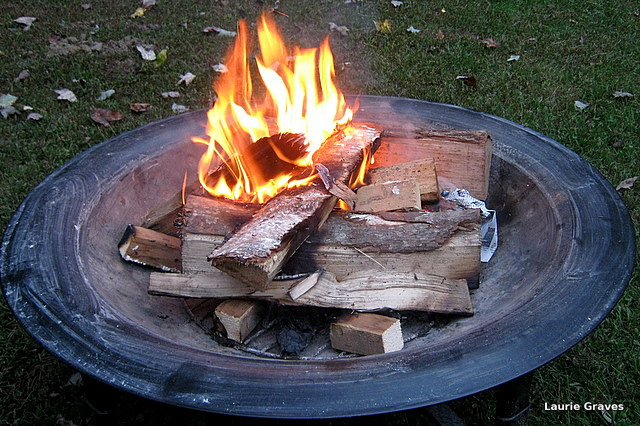
“Let’s have a fire,” I said to Clif, “and eat supper beside it.”

IMG_2336

This we did, enjoying a meal of baked potatoes topped with chili and cheese.

But before we ate, I toasted Clif, wishing him many more birthdays and a happy, creative retirement.

IMG_2338

Wednesday is Clif’s last day at work. But that is another story.

Autumn Begins and the Gardens Are Ragged

But we should not mourn the summer garden. It was not more or less beautiful because it was temporary. If we were smart we took advantage of summer to experience as many moments of garden joy as we possibly could.”  —Jason, from the blog Garden in a City
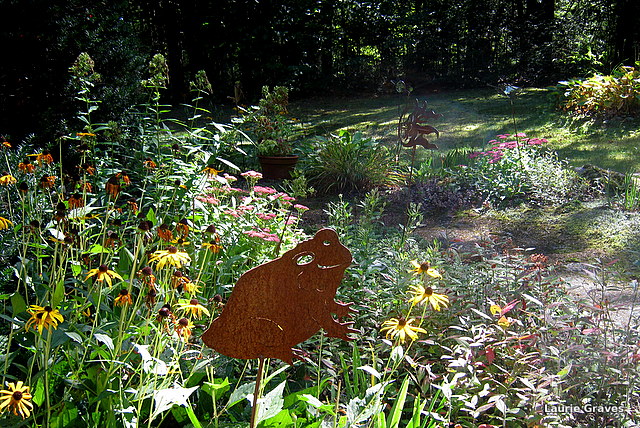
Yesterday was the fall equinox, that time when there is a balance between day and night. In Maine, fall is perhaps its most beautiful season, a dazzling time of bright blue skies, blazing leaves, warm days, and cool evenings.
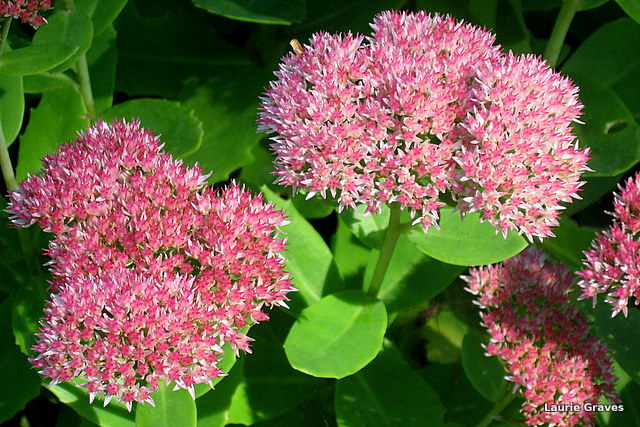
However, Jason’s lovely description perfectly captures the bitter-sweet mood that northern gardeners feel when autumn comes. We should “not mourn the summer garden,” but in our heart of hearts, many of us do. Gone are the lilies, the bee balm, and the phlox. The stalwart black-eyed Susans are fading fast. The modest sedums, with their blush of pink, provide some consolation, but the joyous burst of color in the gardens is over for another year.

The modest yet lovely sedum

Yet Jason is also right about taking as many moments of garden joy as we can in the summer. Clif and I certainly did. Almost every evening this summer and indeed this September, we took our supper plates out to the patio, where we smelled the spicy bee balm and listened to the crickets, the loons, and the barred owls. In August, as dusk fell, we admired the hummingbird moths. We were still in blissful ignorance about the Dr. Jekyll and Mr. Hyde nature of these little creatures, of how the beautiful, ethereal moths lay eggs that hatch to become marauding, voracious hornworms.   (I do want to note that not all hornworms attack tomatoes, but the offspring of the hummingbird moths that visited our garden certainly did.)

The gardens are in tatters, and next week I’ll begin cutting them back.

The ragged garden
The ragged garden


The fading hostas
The fading hostas

Cutting back the garden always makes me feel a little blue, but there are certain consolations. That bright sky, the warm sun, and the changing leaves.  Now that summer’s heat has gone, time spent around the firepit.

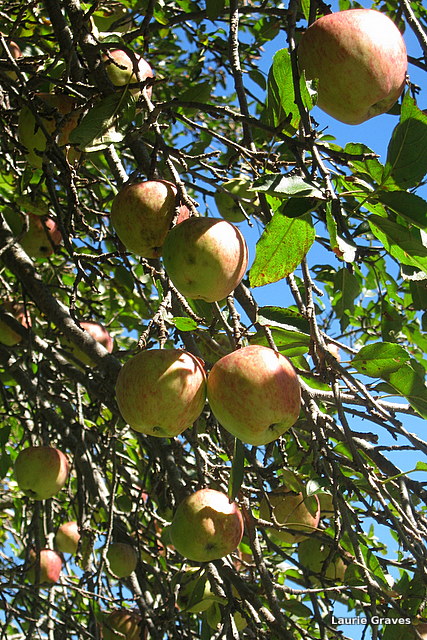
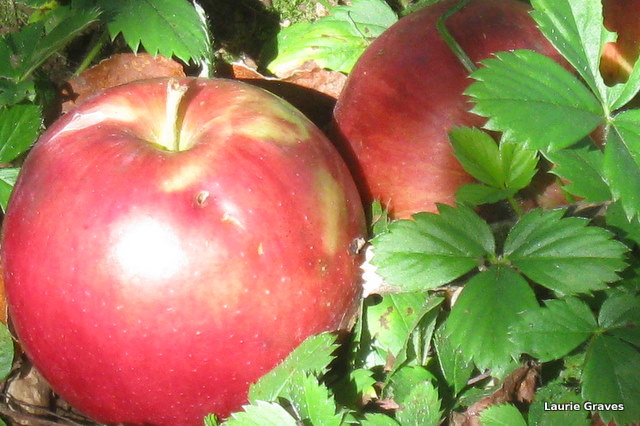
And, of course, apple pie, my favorite kind of pie to make. This year is surely a banner year for apples. The wild trees by the side of the road are laden with fruit, and yesterday, on a walk, I snitched a couple of dropped apples from beneath a neighbor’s tree. How good and crisp and white they were, with nary a sign of one single worm.  I am thinking of asking if I can snitch some more drops. (Cheryl, I promise to invite you over for apple pie or crisp. Your choice.)

The ones that didn't get away
The ones that didn’t get away

So onward to fall. Every season—even the long dark of winter—has its beauty and pleasures. And like our friend Burni, we intend to squeeze as much pleasure as we can out of each season.


By a Strange Coincidence

Today I am going to have a tooth pulled, so there is not much time to write. However, I did want to share a quotation from Hal Borland’s An American Year. (Borland was a nature writer who wrote for the New York Times. In upcoming posts, I hope to write a little more about this terrific writer.)

This quotation is a perfect example of what might be called a strange coincidence. A few weeks ago, I had never heard of tobacco hornworms and did not know that they turned into the enchanting hummingbird moths. Then I discovered the hornworm in my garden, did some research, and uncovered the Horrid Truth.

A week or so later, I came upon this passage in An American Year. “Those dark, swift wings hovering over the garden these August evenings are moths, not hummingbirds as they appear at first glance in the dusk. Hawk moths, some call them, or sphinx or hummingbird moths. They are easily mistaken for hummingbirds…But they are true moths, and at one stage of their development they have been voracious hornworms feeding on tobacco or eating the heart out of ripening tomatoes.”

Oh, isn’t that the truth! The fair Juliet is no more. All the plants have been pulled from my little garden. I threw them, hornworms and all, into the woods, where no doubt the hornworms will thrive and reproduce and return to torment my plants next fall.

But after examining hornworms so closely, I just couldn’t bring myself to kill them.

IMG_2068