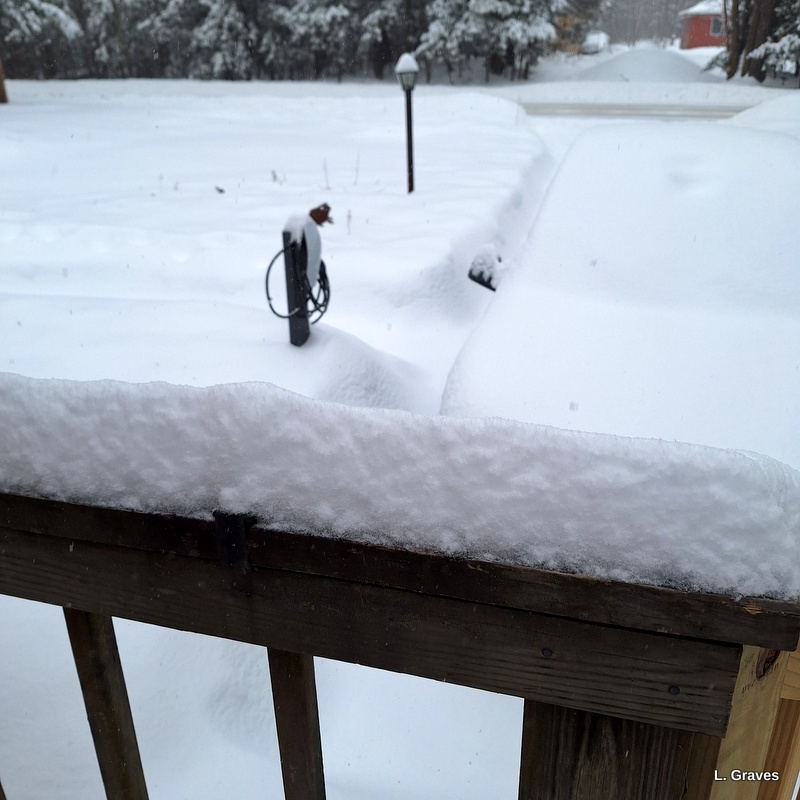
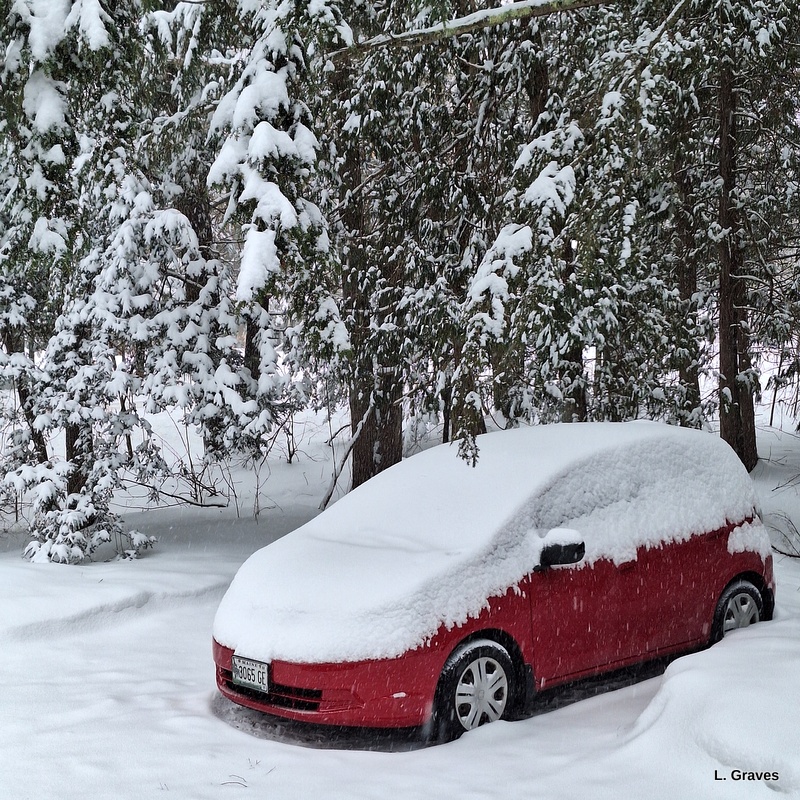
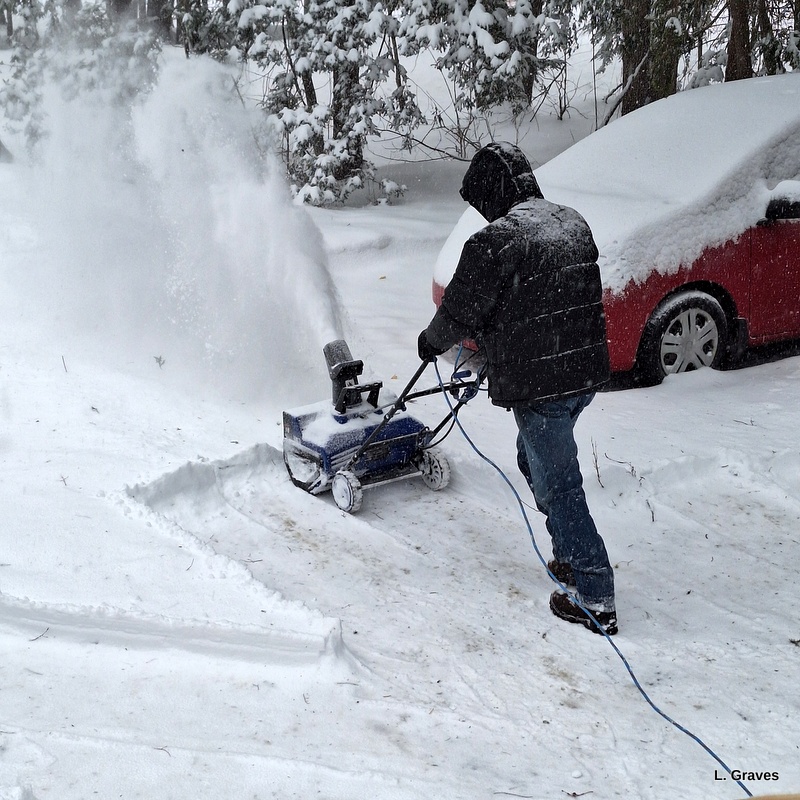
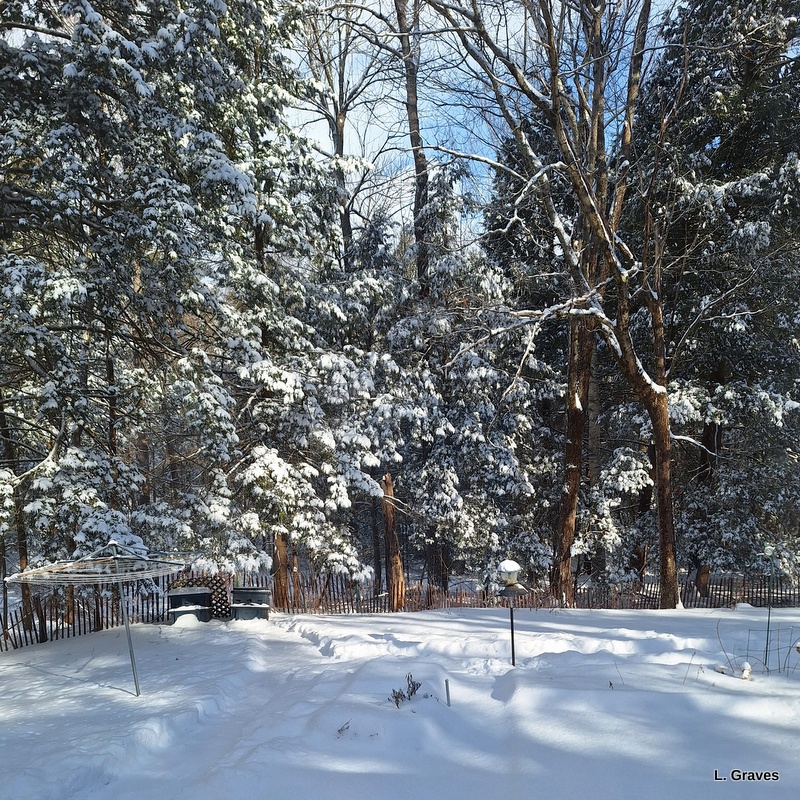
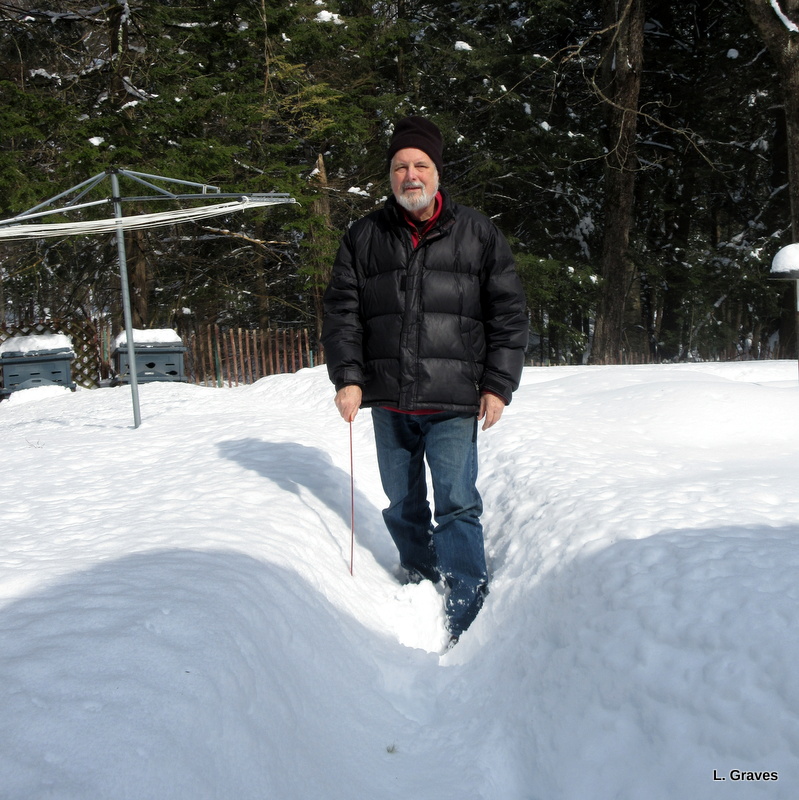
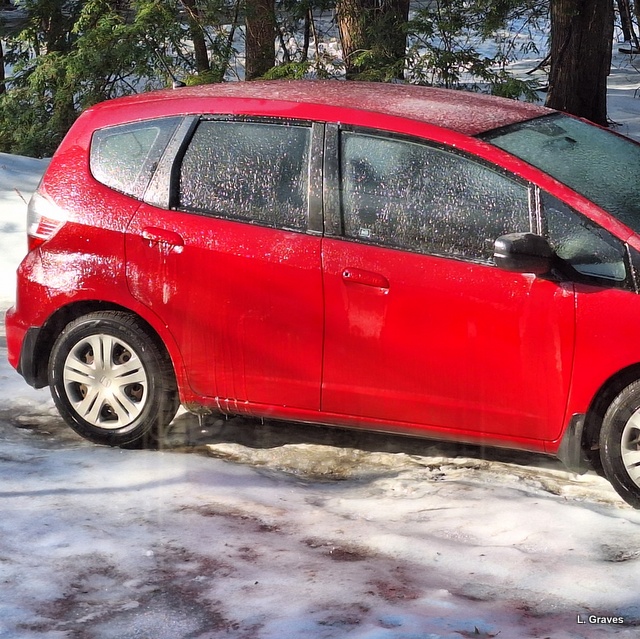
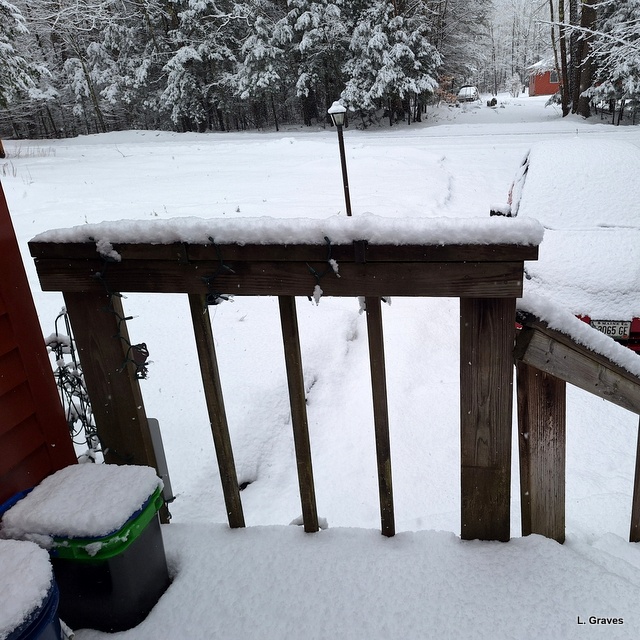
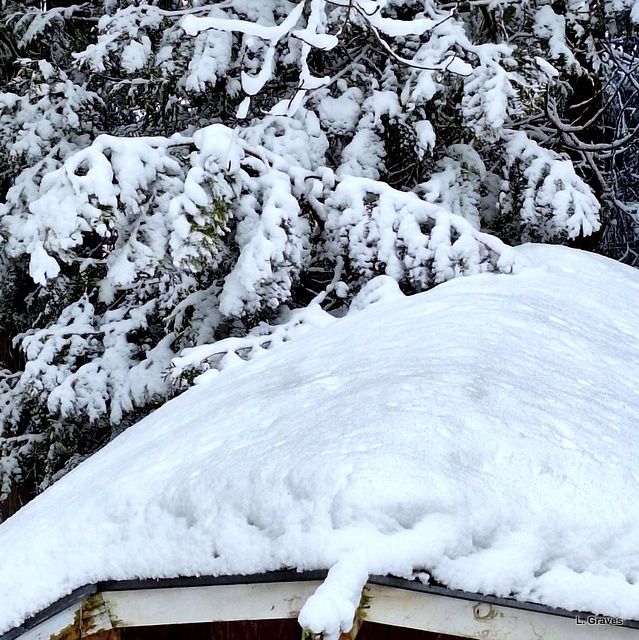
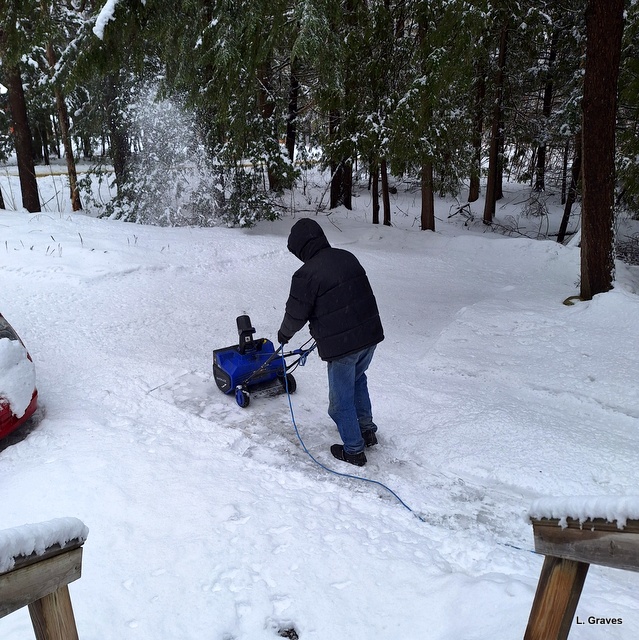
Well, it happened. The weather gods decided to play one of their little tricks on us, and on Saturday a storm blow into the state. Where we live in central Maine, we got mostly snow, about ten inches, and we kept our power the whole time. The coast was not as lucky. From New Hampshire to mid-coast Maine, they got freezing rain, enough of it to knock down trees and power lines. At its worst, after the storm, 184,000 Central Maine Power (CMP) customers were without power, and today, Monday, 80,000 still don’t have it. (CMP has 675,000 customers.)
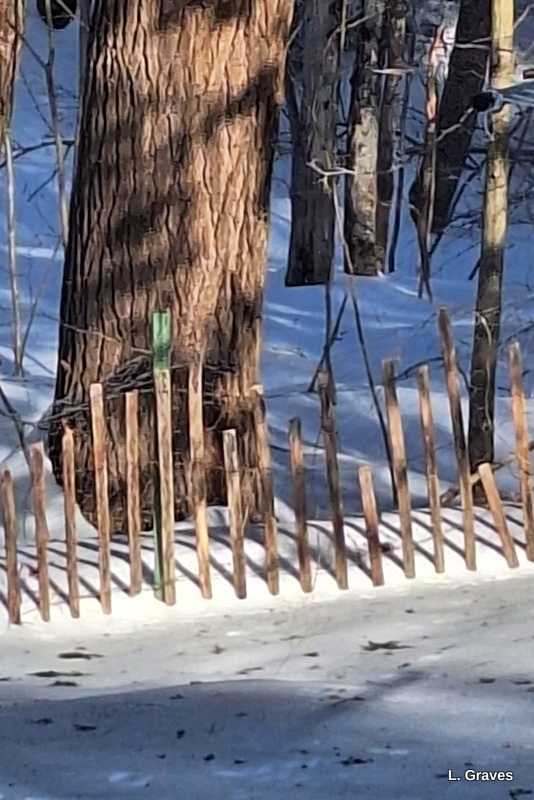
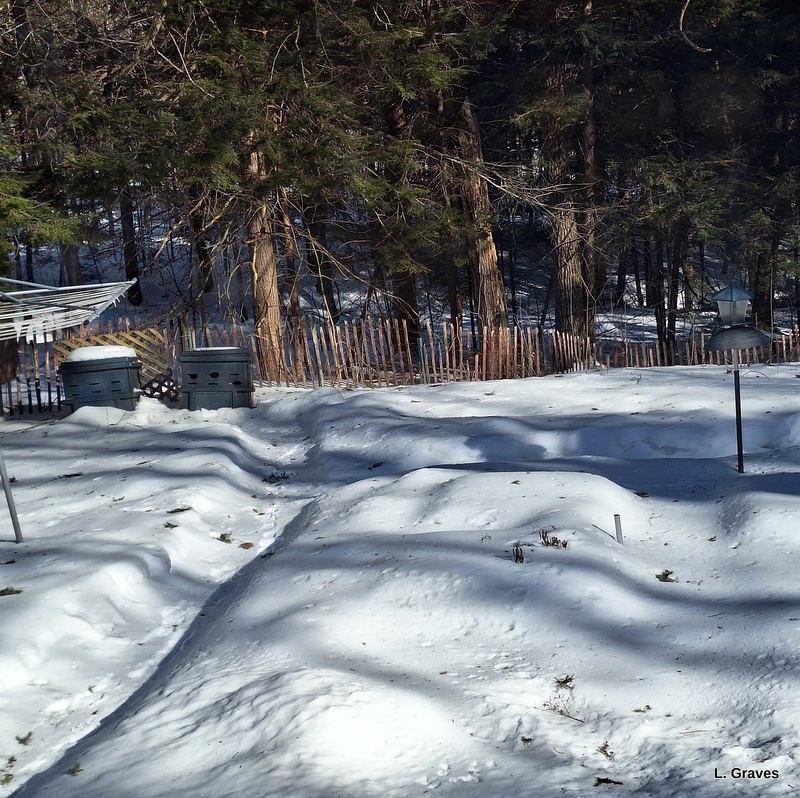
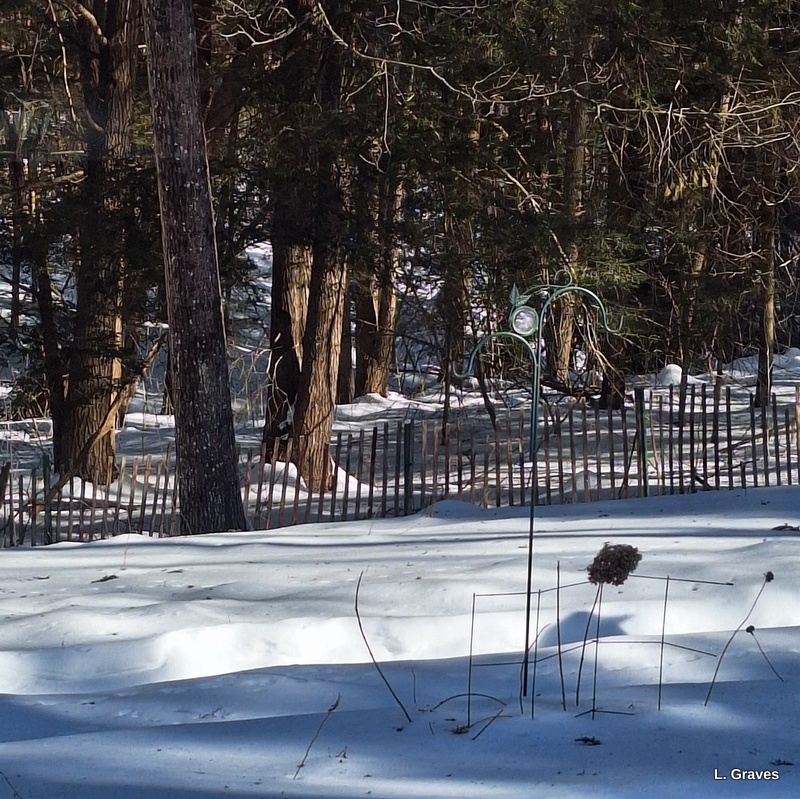
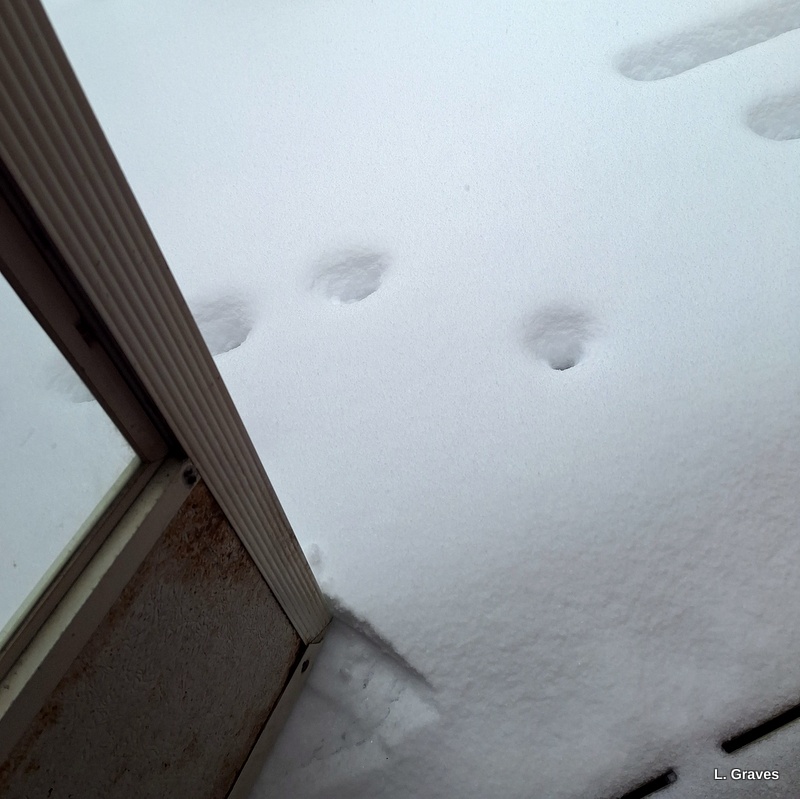
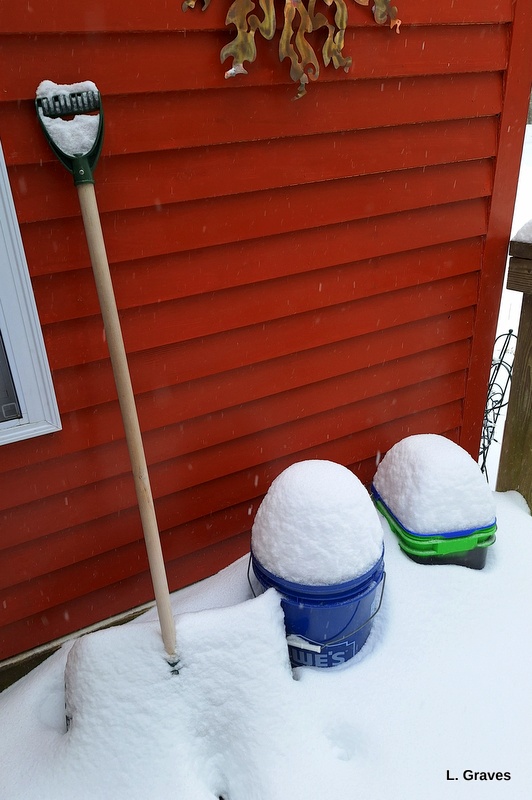
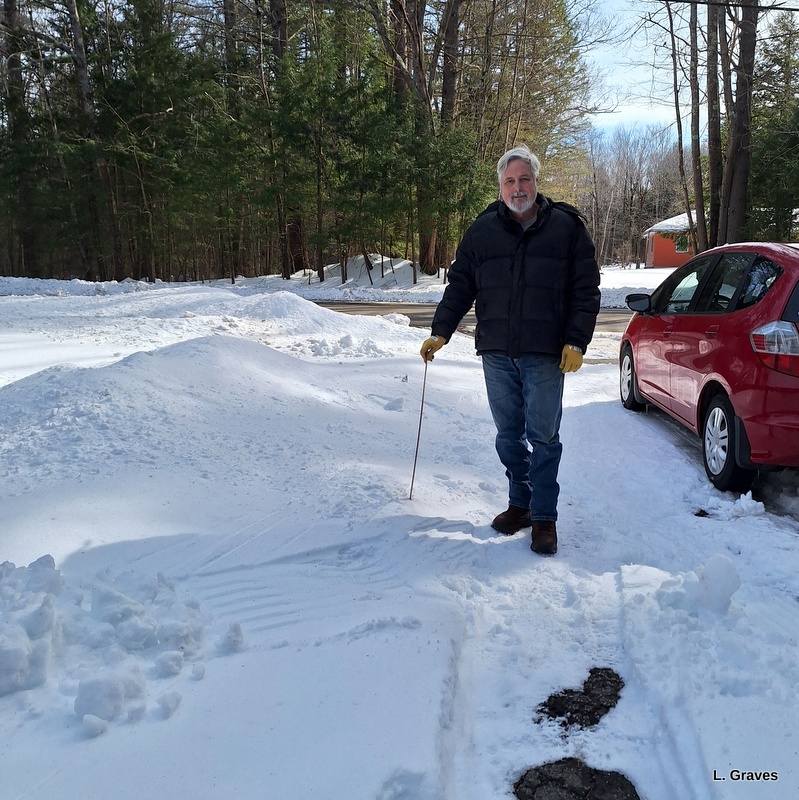
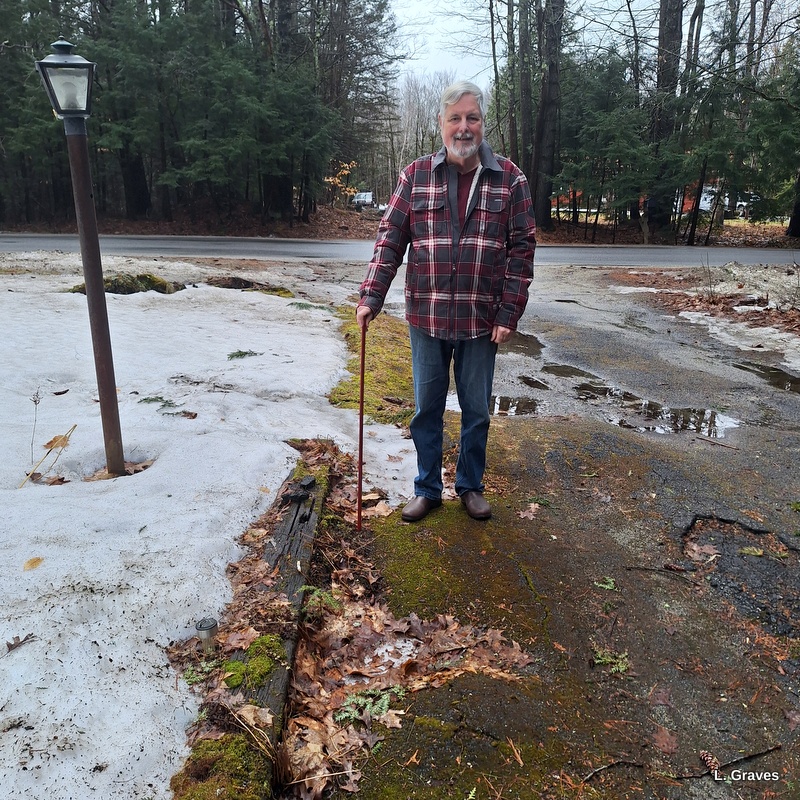
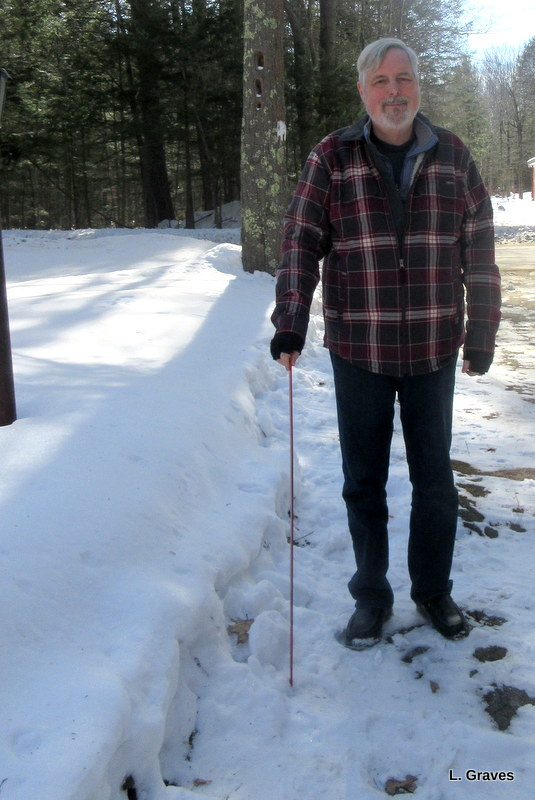
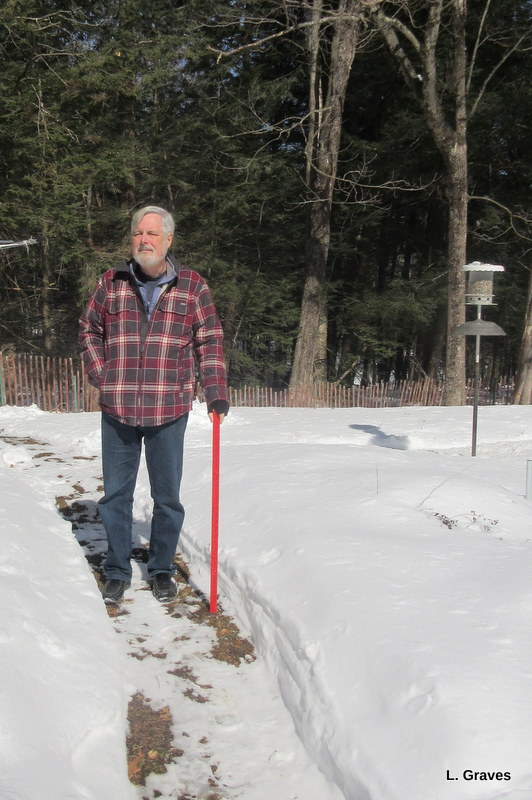
However, as the saying goes, it’s an ill wind that blows no good, and so it is in Winthrop. Ten inches of snow means the return of Snow-Gauge Clif.
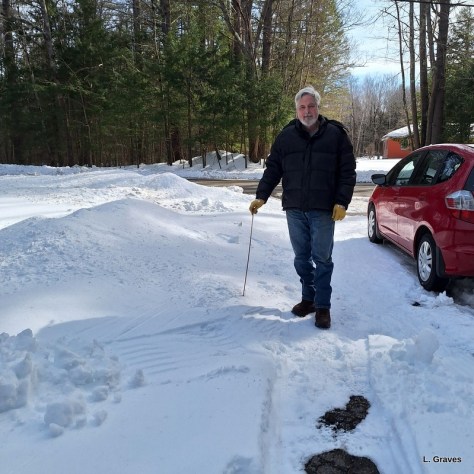
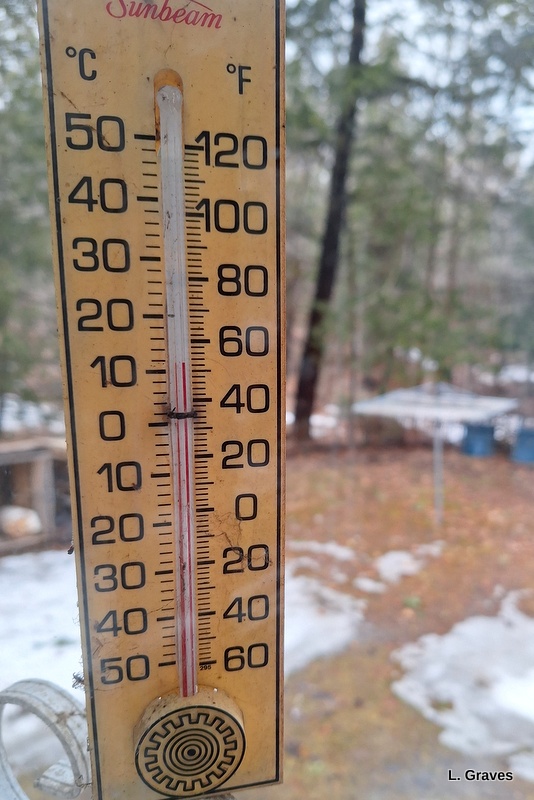
How long will it take for this snow to melt? I’m guessing it won’t be long. Rain is in the forecast as are temps in the 50s. Will Snow-Gauge Clif return next week? Stay tuned!
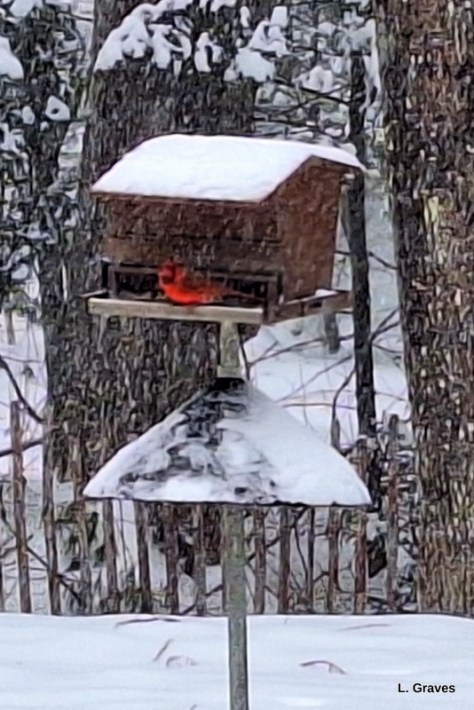
During the storm, from the bathroom window, I snapped a picture of this pretty fellow, a cardinal. The cardinal is not as clear as I would like him to be, but nonetheless I thought the red against the snow was pretty.
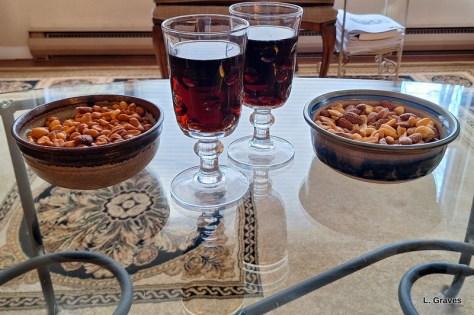
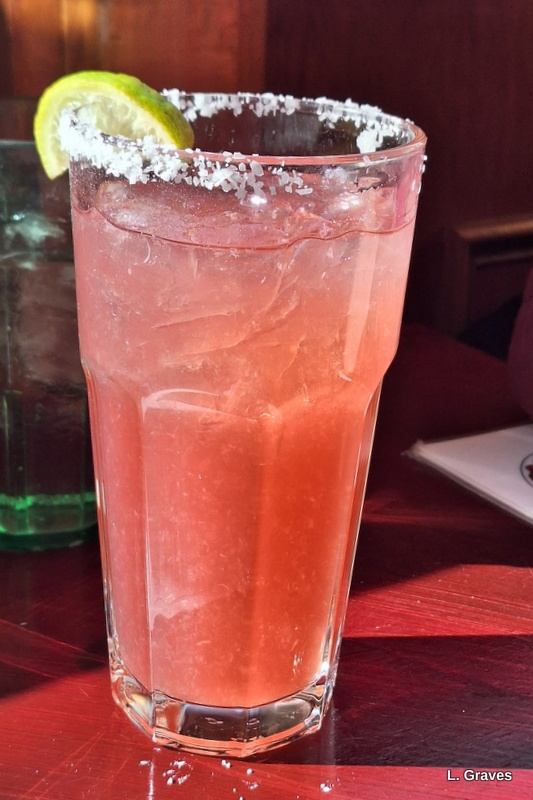
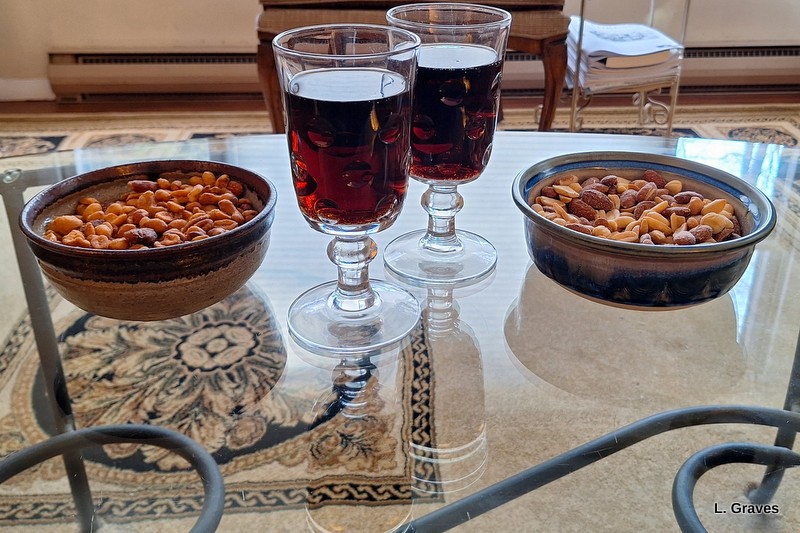
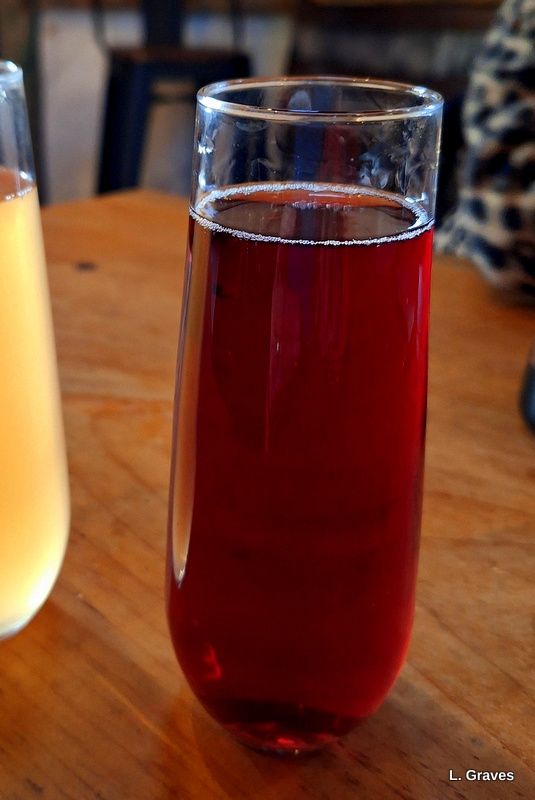
Last Tuesday, March 19, was our forty-seventh wedding anniversary. Holy cats, Clif and I have been together for a long time. Because Tuesday was a work day for Clif (he does book design), Me (I write books), and our daughter Dee (she does web work),in the evening we had a simple celebration of nuts and drinks as well as veggie sausages and dairy-free ice cream. The goblets were given to us by a good friend on our first wedding anniversary, and we bring them out every year for a celebratory drink.
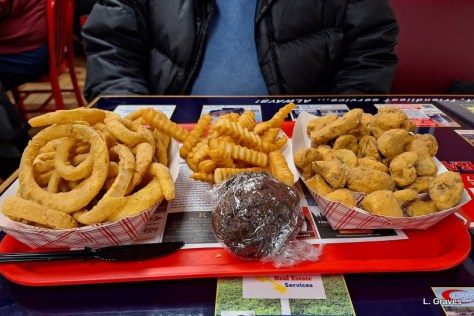
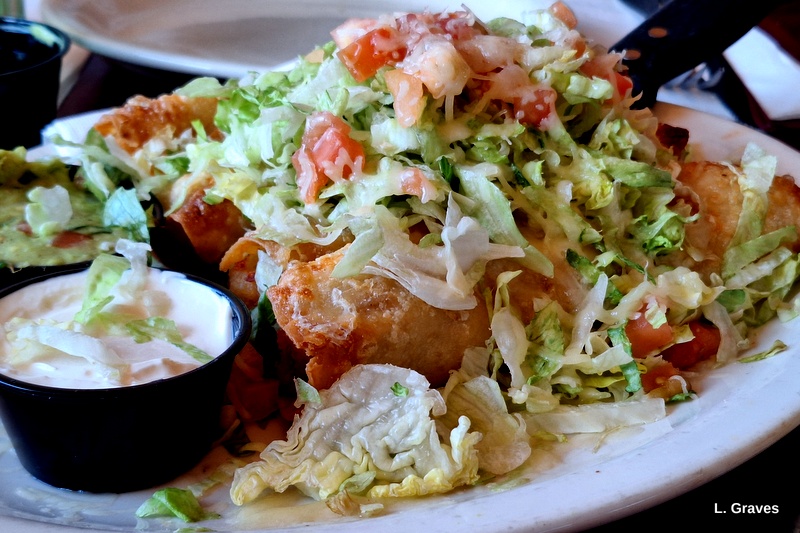
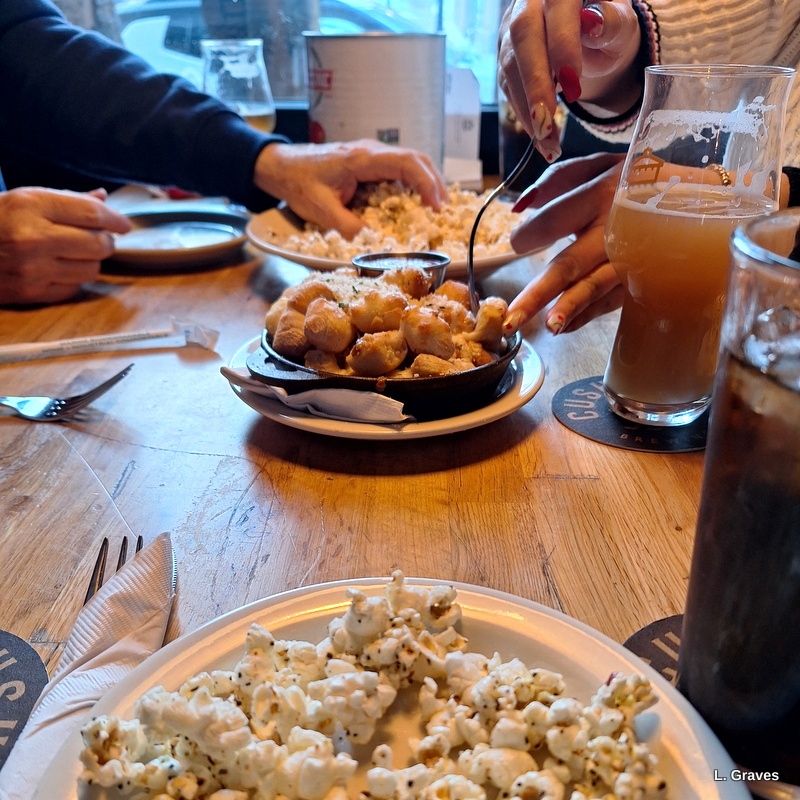
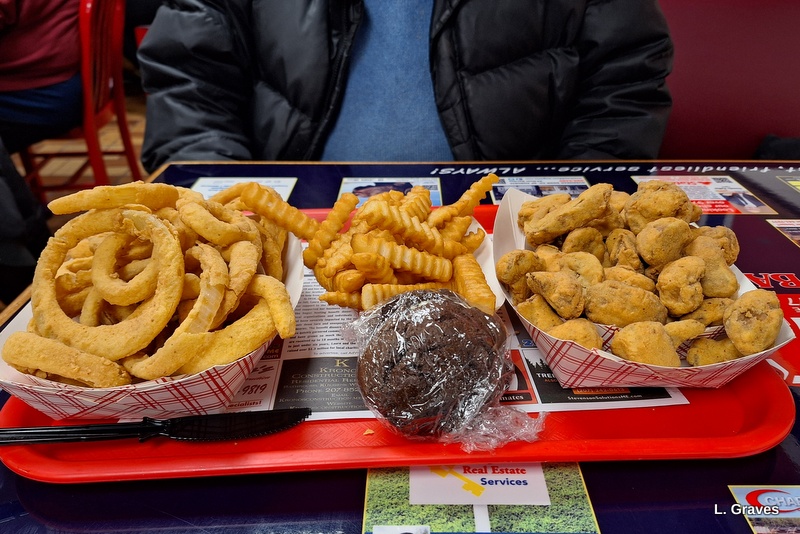
On Friday, before the storm, we took the afternoon off and had a fried day. Both Clif and I love fried food, and we are lucky enough to have a digestive system that easily handles this kind of food. (I know from previous comments that not all my blogging friends can eat fried food.)
However, this capacity for fried food has its downside. Without vigilance, we could eat way more fried food than we should. However, I am happy to report that we do use restraint and only have fried food a few times a year.
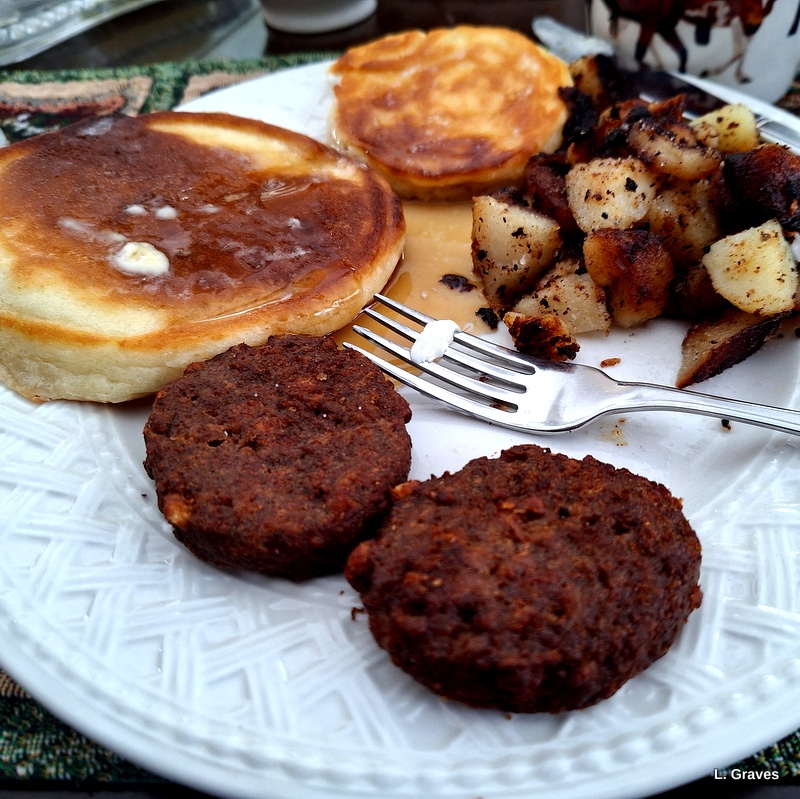
Here was our line-up for Friday: fried onions (Clif), fried mushrooms (me, although I shared a few), and fries (both of us). And a whoopie pie to share for dessert.
The food was very, very tasty and served piping hot. So cheer to us! In another three years we will have been together for fifty years. Yikes, that’s a long time.
**************************************************************************
Watching
The Gentlemen, television series, 2024
Created by Guy Ritchie
Available on Netflix

Along with having an enthusiasm for fried food, I am also keen on quirky crime dramas. The Gentlemen definitely qualifies as a quirky crime drama, and Guy Ritche’s fingerprints are all over it. Clif and I were so caught up with the story and the acting that we blew through four episodes on Saturday morning while it snowed outside.
Eddie (Theo James), an aristocrat, is called home to the family estate where his father is dying. After his father’s death, Eddie learns, much to his surprise, that he has inherited the estate. He is a second son, and always thought his elder brother Freddie would be the one to get the estate. Neither Freddie nor Eddie is pleased with this turn of events, but the will is clear. Eddie gets the estate.
Eddie also receives another surprise. For some years, his father has been renting out a barn to a weed enterprise run by the delightfully deadpan Susie Glass (Kaya Scodelario), who is about the same age as Eddie. Eddie wants the weed business to move; Susie does not.
To complicate matters, they both have brothers who have a knack for getting in trouble. Naturally, complications ensue as do murder and mayhem. James and Scodelario have a wonderful chemistry. Are they attracted to each other? Are they out to get each other? Or maybe both? This tension gives the show a nice energy.
The supporting cast is equally delightful, with each character, no matter how brief the performance, being distinct and memorable.
I’ve read that season two of The Gentlemen might be in the works.
Fingers crossed.



















 Notes From the Hinterland