Category Archives: summer

Flight of the Hummingbird

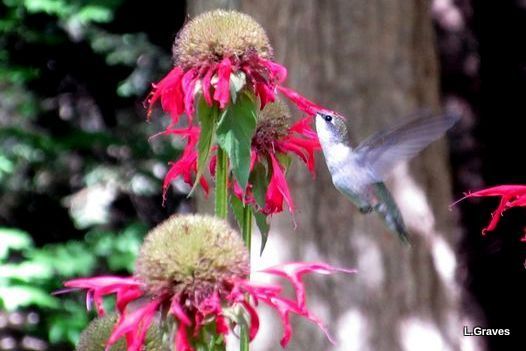
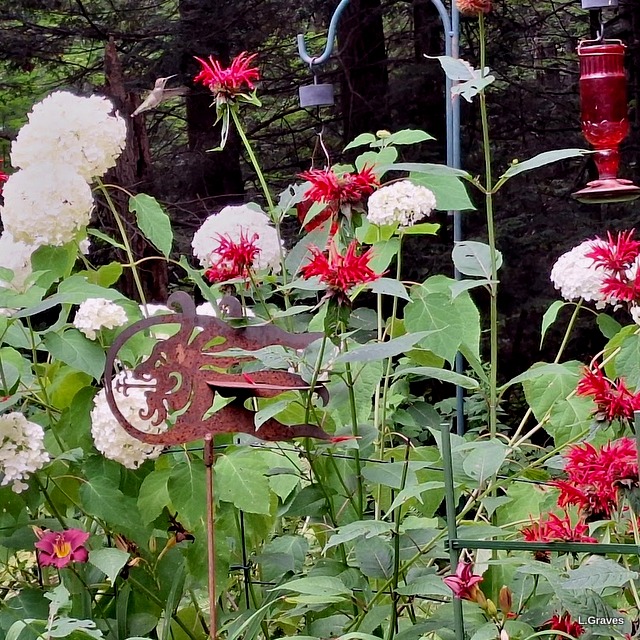
One of the delights of summer is the return of the hummingbirds, whose delicate and ethereal appearance belies their fierce territorial nature.

When we sit on the patio, we can hear the buzzing of their frantically beating wings and their high-pitched twitters as they try to drive each other away from the feeders and flowers. Often, one sits guard on the feeder, keeping a sharp eye out for any hummingbird intruders. With other birds, all of whom are larger, the hummingbird is more circumspect. As Falstaff once noted, the better part of valor is discretion.

Silly little things. If I could speak hummingbird, I would tell them that there is plenty of food for all, that they waste more energy chasing each other away than they would if they just settled down to drink the sugar-water we provide.

But, alas, I don’t speak hummingbird, and I doubt they would listen to me even if I could. And, really, who am I to criticize? Do humans, as a group, listen any better to good advice, to pleas to share resources with those who have too little? Some do, yes, but all too many don’t, especially those at the top who have so much. I won’t mention any names. I’m sure readers will know whom I’m referring to.

But back to hummingbirds. Nowadays, I use the camera in my phone to take photos, and it is not easy to catch a picture of hummingbirds as they zip from feeder to flower. But I am persistent, and I have a couple that aren’t too bad, which I’ve used for this post.

In about a month, the hummingbirds will leave Maine for their long trek south, to Mexico and Central America. How can such little birds make such an arduous journey? Somehow they do, and perhaps their fierce nature helps them.

In the meantime, we will enjoy the buzzing of their wings and the twittering sounds hummingbirds make as they zoom in and around the garden, over the house, and into the woods.


Is It All Right if I Kiss Your Cheek?

On Friday, Shannon, Mike, and Holly came to Maine for a visit. For Father’s Day, Shannon and Mike bought Clif a ticket to the Kennebec River Brewfest in Augusta, Maine. Since beer isn’t my thing, Mike agreed to accompany Clif to the Brewfest, which was held on Saturday, August 2.

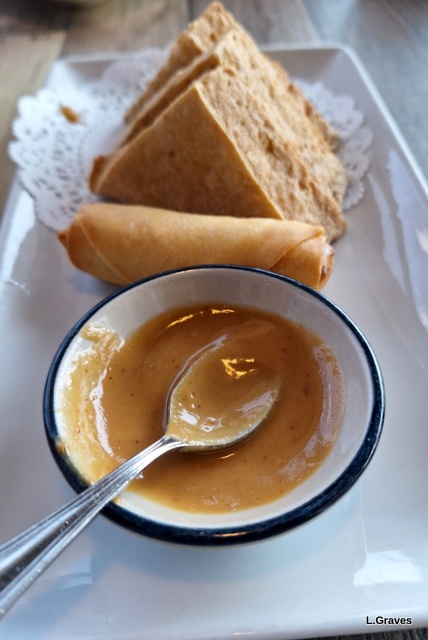
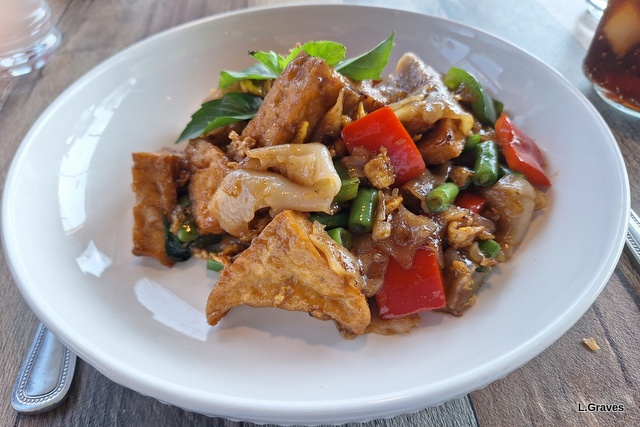
Neither Dee nor Shannon like beer, so while Clif and Mike were at the Beerfest, we went to Thai With Us, a restaurant in Augusta, where we had some delicious Thai food.  We all agreed it was a restaurant to visit again.

As we were eating, some adults and children were seated at a long table next to us. Since my back was to them, I couldn’t see the adults and children unless I twisted around to look.

But I didn’t need to look when I heard an adorable exchange, a piping voice asking an adult, “Is it all right if I kiss your cheek?”

How we smiled as we listened to that child, and after Dee, Shannon, and I left, we all agreed that the answer to that question would be yes, always yes.

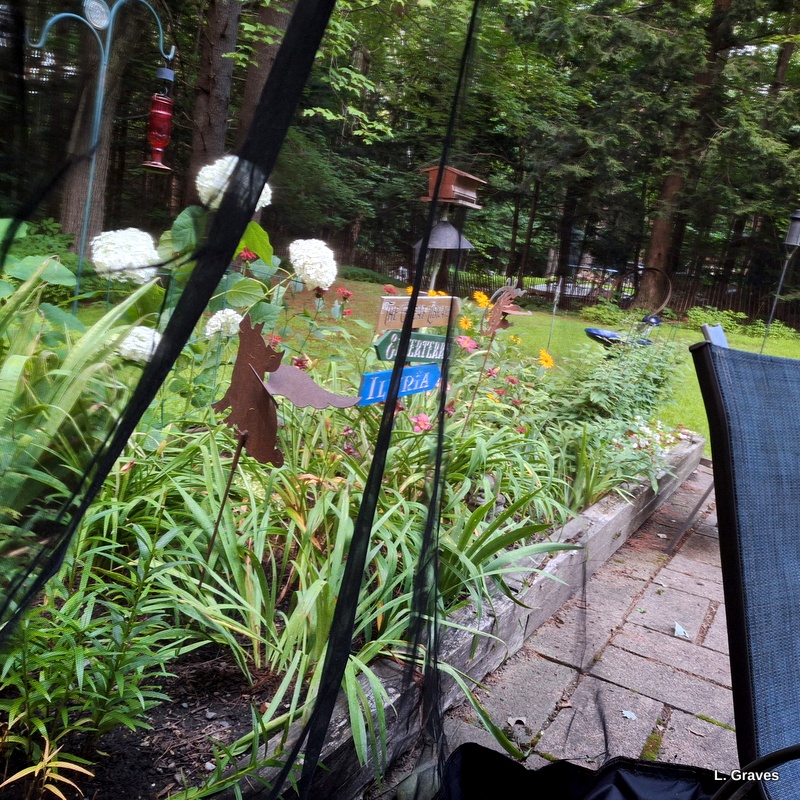
After the Brewfest ended, we all headed home where we sat in the screen house in the backyard. As we talked about movies and the problems of the world, dusk settled over us.

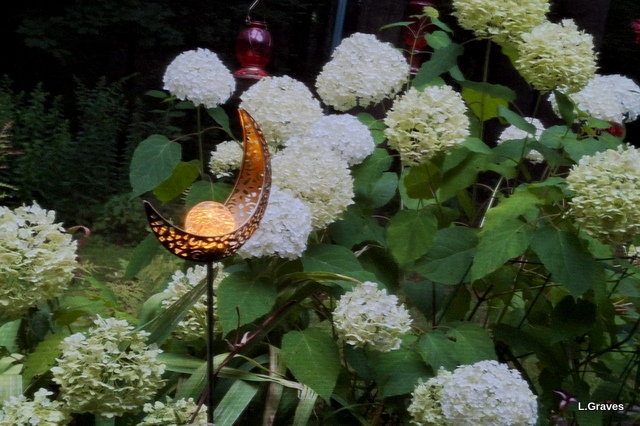
Crickets sang. The solar lights came on. And in the trees at the edge of the woods, we heard  curious calls, which we eventually figured out were barred owl fledglings.

Holly the dog, comfortable on her dog bed, ignored the fledglings. As I listened, I marveled at how much life there is in the woods. The trees not only provide shade and absorb carbon dioxide, but they are also provide food and shelter for many animals. This might sound fanciful, but I can’t help but think that trees are the guardians of life as they rise tall and mysterious above us.

No wonder trees were worshiped in past ages.


Little Daughters of Jade

Fifteen years ago, when I was diagnosed with breast cancer, a friend brought me a sliver of jade plant, taken from her own larger one. The tiny jade was in a yogurt container, and as my friend passed it to me, she said, “This is for luck.”

Naturally, this made me extremely superstitious about the plant, whom I unimaginatively named Jade. Over the years, I have tended Jade faithfully and lovingly, watering her when needed and feeding her once a month.

I wish I had taken a picture of baby Jade, but I had no idea how she would grow. And grow and grow.

Now, fifteen years later, this is what Jade looks like.

Jade certainly attracts attention. Delivery people and friends alike marvel at Jade’s size and beauty.

A while back, when one of Jade’s branches broke, it occurred to me that I could propagate more little Jades so that if—God forbid—anything ever happened to big Jade, her spirit would live on in her daughters.

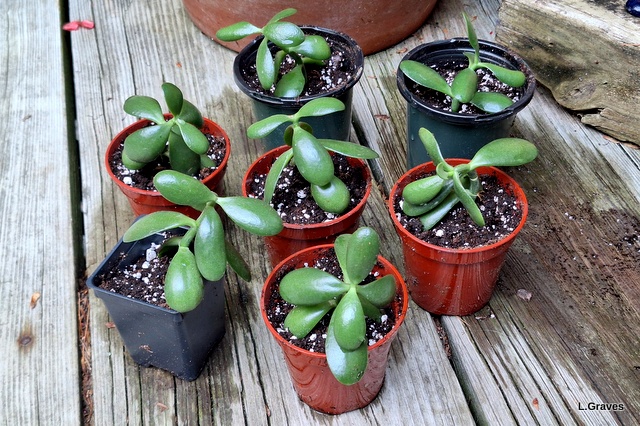
Propagating more little Jades proved to be ridiculously easy. I filled a small glass with water and tucked the tiny jade stems into the water. Within a month or so, hairy roots appeared, and I planted them in small pots with potting soil.

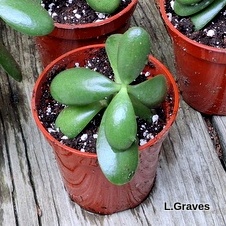
Readers might have noticed a cluster of babies around Jade on the buffet. Here is a closer look at the daughters of Jade, on our front deck right after I planted and watered them.

The other day, I brought a daughter of Jade over to a friend who is dealing with her own health issues. “This is for luck,” I told her, thus keeping the tradition going.

The rest will be for the young woman who delivers our weekly farm share that we get from our own Farmer Kev. Some time ago, I had given her a daughter of Jade—not because she was ill but just because she wanted one—and she recently told me that her daughter of Jade is thriving. She also mentioned that many of her friends would love to have their own daughter of Jade: “As many as you want to give away.”

We’ll see if she wants five little daughters. If not, I know I can find homes for the rest of them.

For some reason, in my mind Jade is a matriarch and her children are daughters. Why this should be I’m not sure. I suppose it must be because even though the name Jade can be used for both genders, I envisioned the original little Jade as feminine, a manifestation of the luck my friend was giving to me. And my vision for Jade’s offspring goes in the same direction.

I also like to think that luck is like love, something that grows and spreads as we bestow good wishes on others. After all, it’s a hard old world, and most of us, for whatever reason, could use the blessing of luck.


Late Summer on Our One Acre; And a Movie Review of Ballad of a Soldier

We have a little piece of land, one acre, on the edge of the woods. Those woods are part of a watershed of 2,729 acres—over 4 square miles—that drains to the Upper Narrows Pond, and this means they are safe from development. In the woods are many wild animals, including foxes, deer, porcupines, bears, fishers, raccoons, coyotes, and skunks. (I know that people need homes, but so do wild creatures. Getting the mix right is often difficult.)

One acre compared to 2, 729 isn’t very much, but at times it seems like the world to me, always changing, never static, variable with each season.  Our home, the driveway, lawn, and gardens all sit on this one acre. When I was younger, I would have liked more land to grow more food. But nowadays, with my creaky knees, our one acre seems exactly right: big enough for some gardens, enough space for our patio, close enough to the road, but not too close.

And what is mid-August bringing to our acre by the woods?

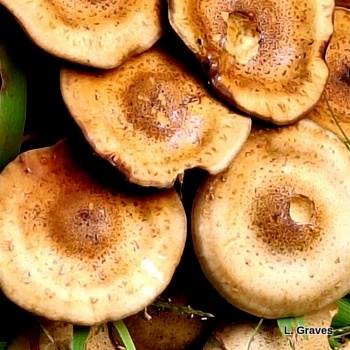
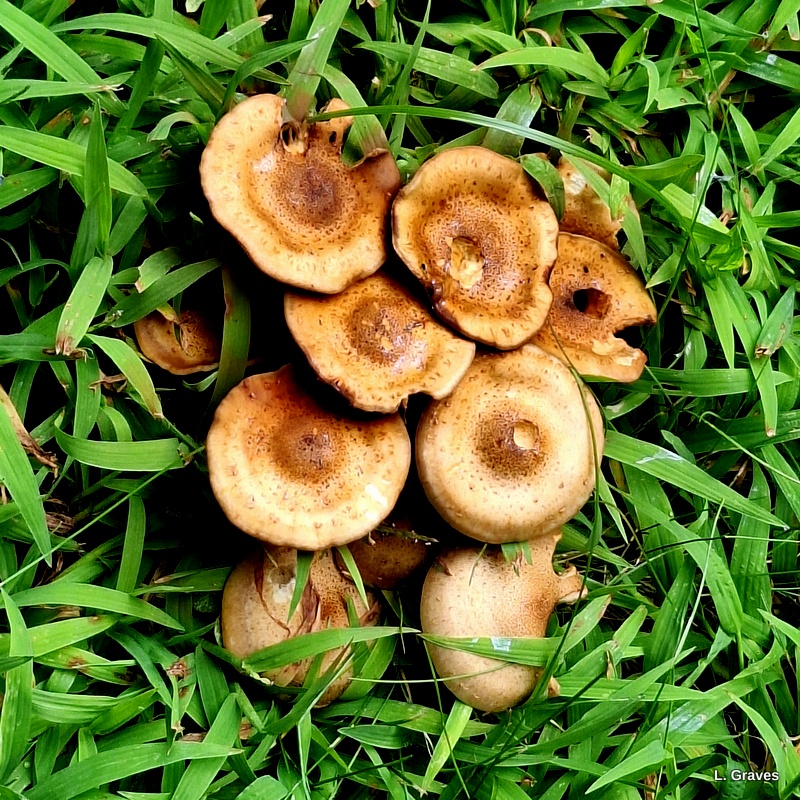
First of all, mushrooms. The opening picture is a close-up of them, and they remind me of little pancakes. When the focus is farther out, not so much. And note how green the grass is. This summer, we have had a perfect amount of rain, enough to keep things green and growing, but not too much to make things soggy and rotten.
The bee balm has passed, and I like the way the seed head looks against this hydrangea, which is starting to pass.
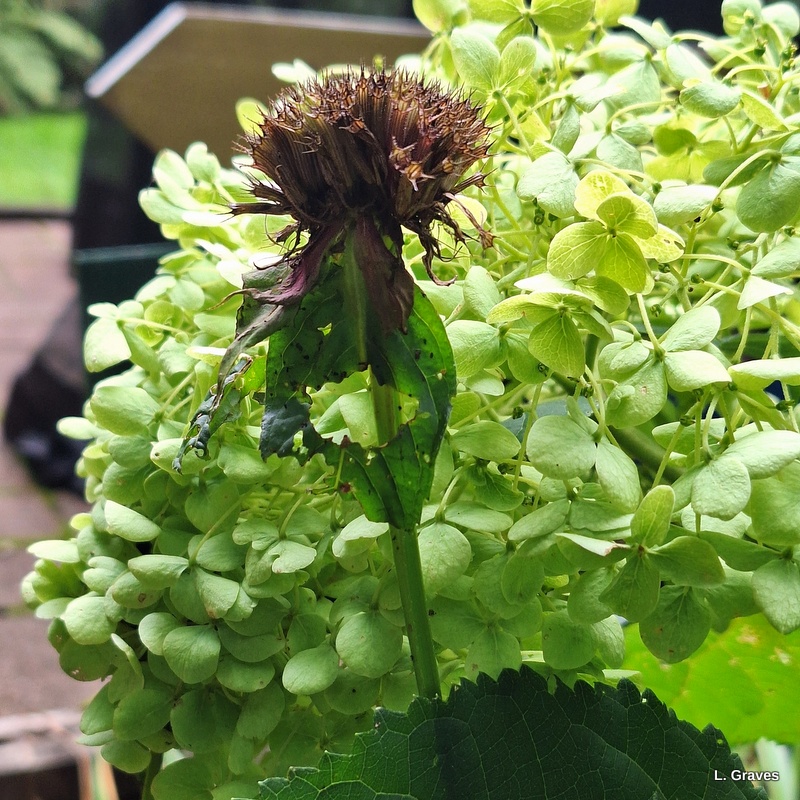
Bee balm doesn’t exactly thrive in my back garden, and I think this plant, normally a spreader, doesn’t get enough sun. I’m thinking of planting more hydrangeas in its place, but the hummingbirds love what does grow, and I like the bee balm’s splash of red, however thin. We shall see.

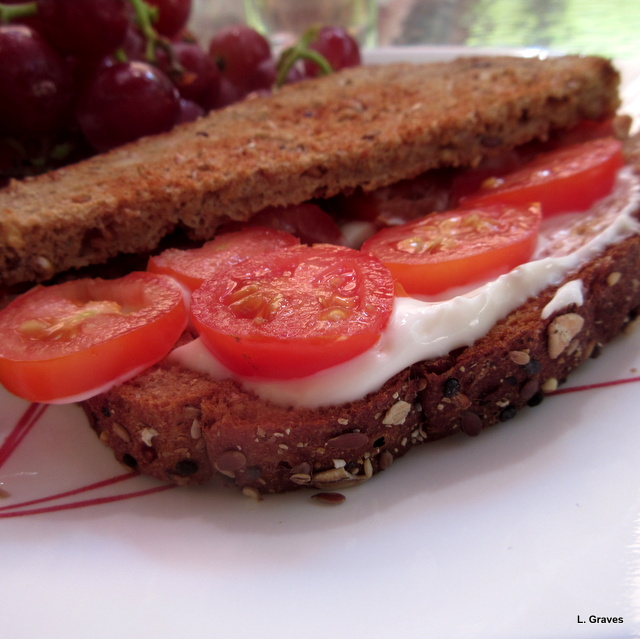
My own tomatoes are beginning to ripen, and yesterday I used a few in a sandwich. Because I was feeling bold, I also added some cucumbers. As my Yankee husband would say, pretty darned good.

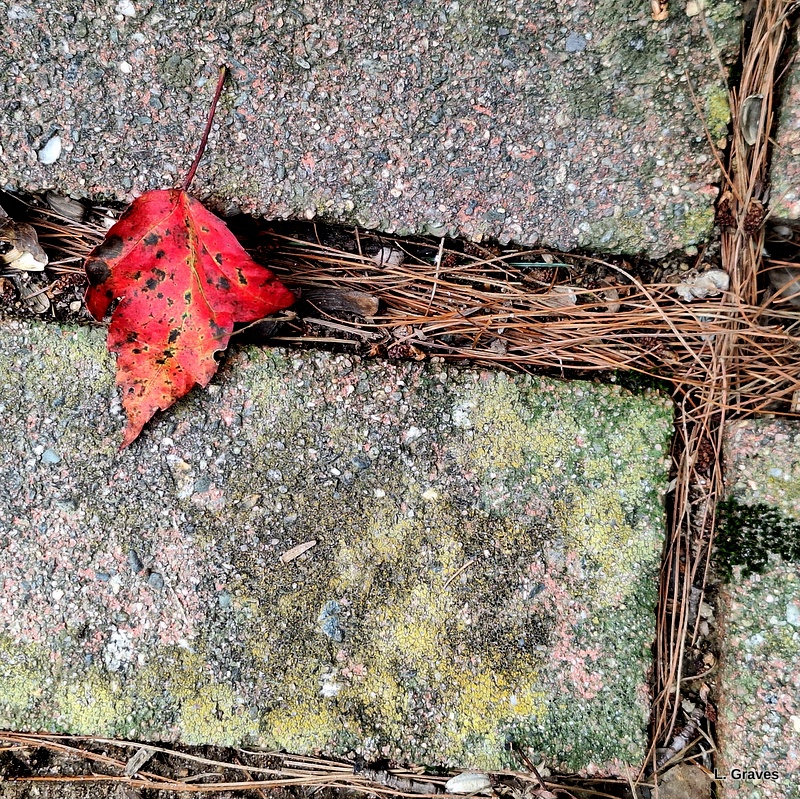
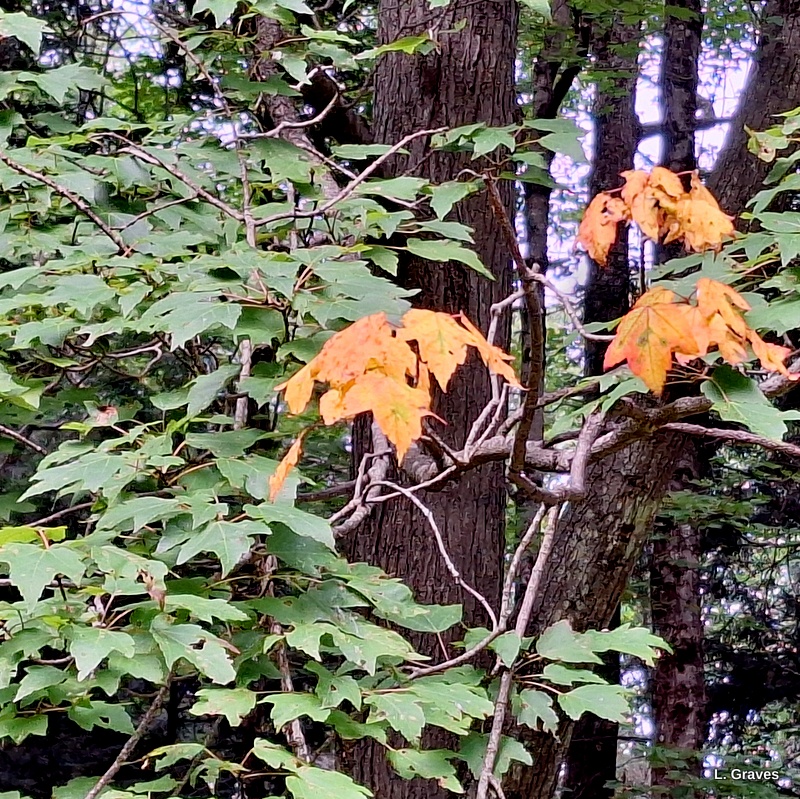
Even though it’s still August, there are signs that fall is just around the corner.
And who is this in our backyard? Why, it’s the divine Miss Holly.
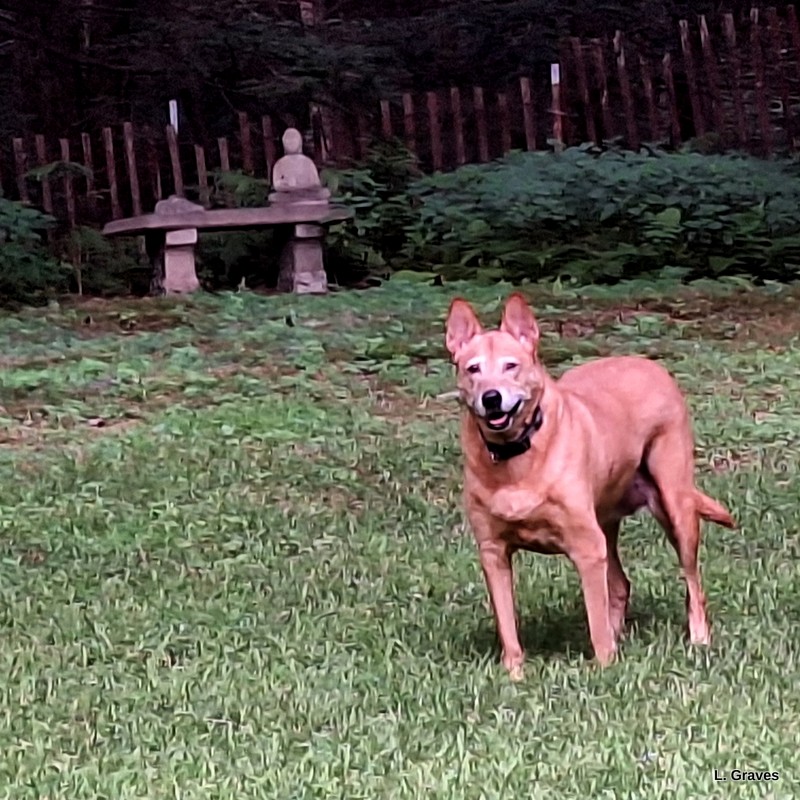
She belongs to our daughter Shannon and our son-in-law Mike, and we took care of Holly while they celebrated their fourteenth wedding anniversary in Vermont. (Happy, happy!)

Our backyard, completely fenced in, is perfect for dogs. Holly had a fun weekend of lots of treats as well as sniffing and patrolling the backyard. She’s wonderful company, bright and alert. Shannon and Mike picked her up yesterday, and we miss her.

There are still more weeks of August before we edge into September. More time for sitting on the patio by the edge of the deep green woods as we listen to the finches, the nuthatches, the chickadees, and the occasional haunting call of the bard barred owl.

*****************************************************************

Watching: World Cinema

From the Janus Collection

Ballad of a Soldier, 1959
Directed by Grigory Chukhray
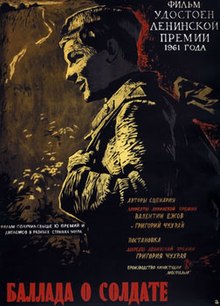
Warning: this review contains minor spoilers

Ballad of a Soldier, a Russian film set in World War II, came out at a propitious time, a few years after Stalin died, when there was a period of thaw during Khrushchev’s regime. This thaw gave Russian filmmakers a little more latitude, a chance to focus on the individual rather than the collective.

And focus director Grigory Chukhray certainly did, on beautiful nineteen-year-old Private Alyosha Skvortsov (Vladimir Ivashov). For his bravery in battle, Alyosha has been given a six-day leave to go home to visit his mother.

Two things get in Alyosha’s way: the chaos of war, which extends well into Russia, away from the front line, and Alyosha’s tendency to get sidetracked.

First he helps a wounded veteran, then he meets a lovely young woman, Shura (Zhanna Prokhorenko). Mishaps ensue. Alyosha misses a train as he goes to get water. He delivers a bar of soap to a soldier’s family, which delays him further. Hitchhiking and muddy roads slow him down even more. On a more serious note, the bombing of a train brings panic and death.

In one sense, this could be the story of any soldier in any war, but in another sense, this is the story of Alyosha, a nineteen-year-old who is easily distracted as young men (and women) often are.

Does Alyosha make it home to see his mother? I am not going spoil the ending. This movie, directed by a great humanist, is very much worth seeing and is available on Amazon to rent or buy. It is also available on Turner Movie Classics.

All Part of the Continuum

As I sit here typing this post, it is the sweetest summer morning in Maine that anyone could ask for. The air is warm and dry. Next door, a hen clucks as she lays an egg. The grasshoppers buzz an August song. By my desk, the window is open, and a soft breeze, which rustles the leaves on the trees, comes in.

Quite a change from last week, which once again flipped to high humidity and high temps. There was another heat advisory, and we had to stay inside, cooled by our trusty air conditioner, Eva. On Friday, our friend Joel came over for drinks and appetizers, and it was too humid and hot to sit on the patio. Instead we had to gather in the living room, made comfortable by Eva.

But today, all is forgiven. If I were in charge, I would order 26 more days just like this one, with enough rain thrown in at night to water the plants. Like Goldilocks, I always want things to be just right.

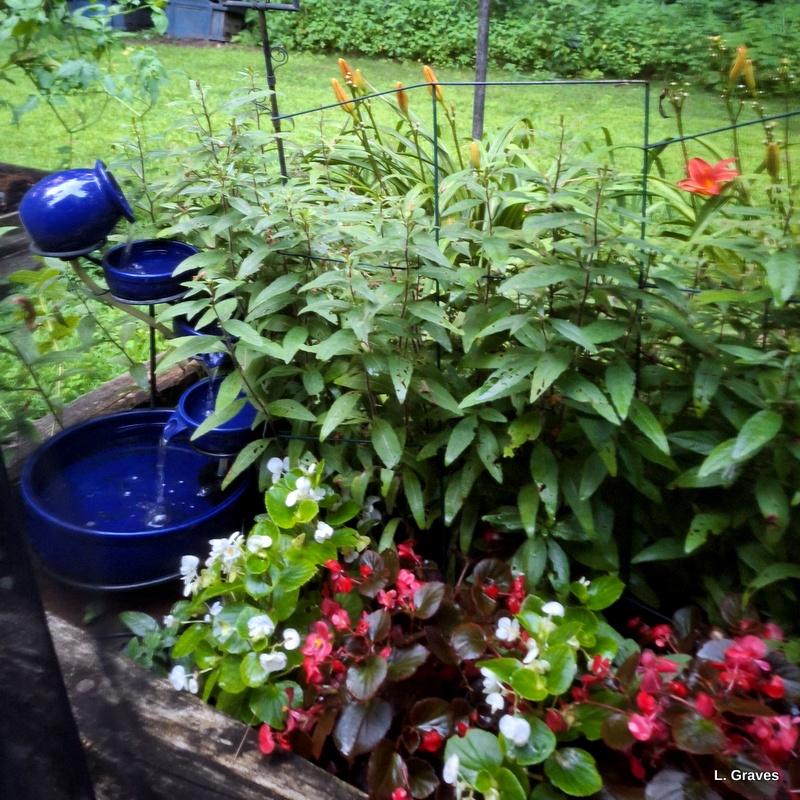
Outside, the plants have thrived in the heat and humidity. Even though my gardens are at their best in June and July, there are still some things to admire.

This striking double daylily,

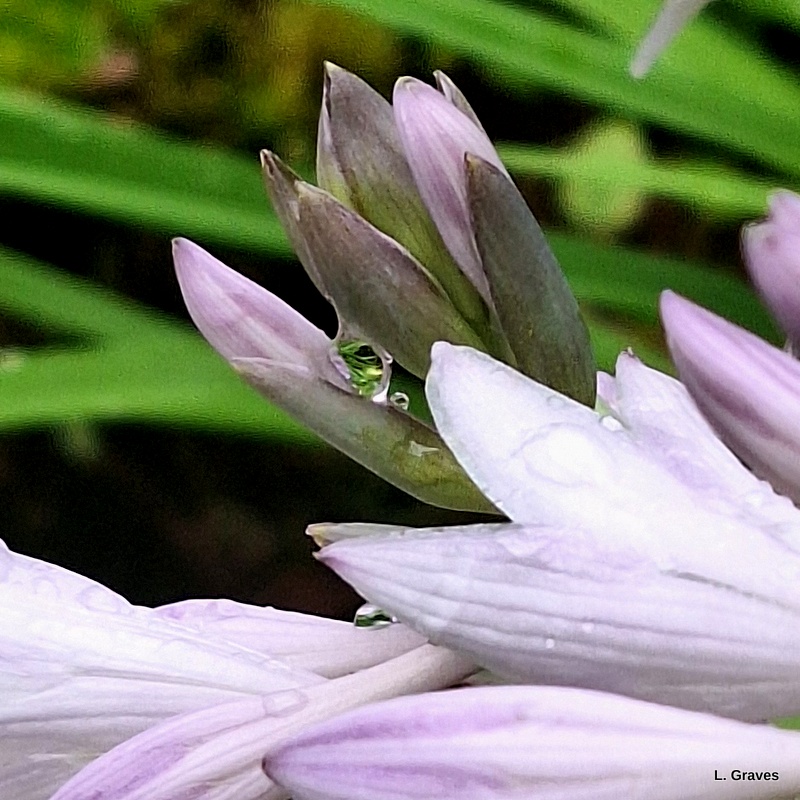
a modest but lovely hosta blossom,

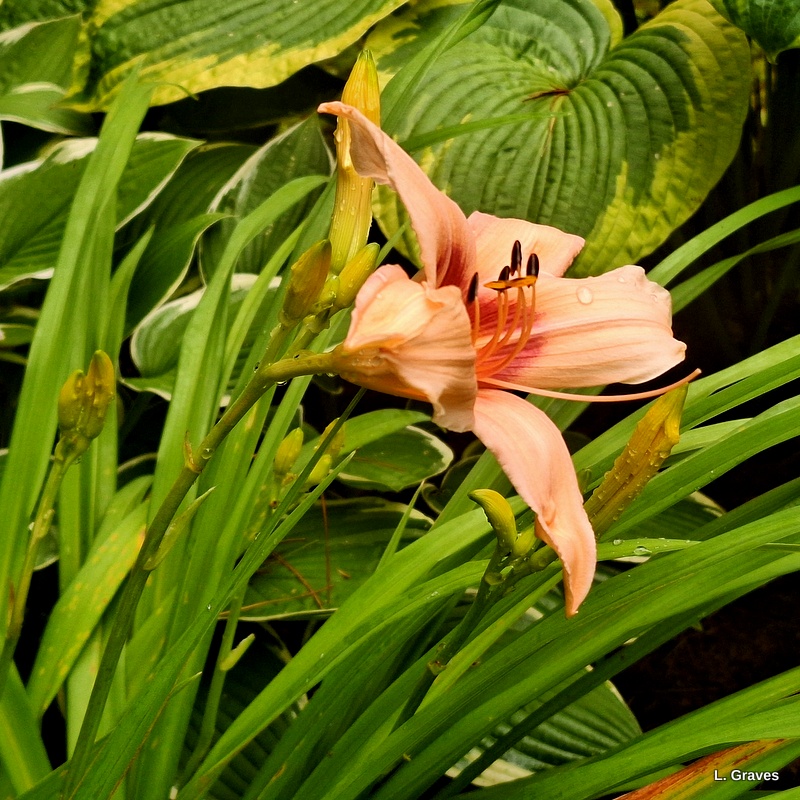
and a delicate single daylily. I can’t decide whether its color is peach or salmon. I’m tending toward peach.

Because this is not thankful Thursday, I’m going to gripe just a little about the damage done to my hostas by slugs and snails

With all the rain and humidity, it’s been a good year for those slimy little nibblers. Time was when I did my best to keep the slugs and snails at bay, and I would patrol the yard with a jar of soapy water to drop them in. But in my old age, I have given up what seemed like a futile battle. No matter how many slugs and snails I caught, more would come. Fortunately, all that chewing doesn’t cause permanent damage. Still, I wish the slugs and snails would stay in the woods and find their meals elsewhere.

On the other hand, there are some visitors we don’t mind. One night, before going to bed, when I shut off Eva and opened the windows, I spied this little creature clinging to the screen. Attracted by the light, I suppose. Or rather, after some insect that was attracted by the light. By morning, our little visitor was gone.

When you live by the edge of the woods, you know you are going to share your yard with other creatures. Some you enjoy. Others not so much. But this morning as I watched some crow fledglings pester their parent for food, I thought about how we are all part of the continuum, the rich web of life in northern New England.


In Which I Write about August As Well As the Classic Film Alexander Nevsky

For the first part of July, the heat was terrible in Maine—at least for Mainers. The heatwave coincided with the Maine International Film Festival, and Clif, Dee, and I were more than happy to sit in air-conditioned cinemas as we watched movies.

Then, around July 18, it was as though the weather gods flipped a switch, and suddenly we were in August. Black-eyed Susans and Queen Anne’s lace, not normally July flowers, were in full bloom. Crickets, another August treat, were singing at night, and during the day, grasshoppers buzzed.

And the weather? Delicious as only a traditional Maine August can be: hot and dry during the day and wonderfully cool at night. The windows are open all the time, and the air inside the house smells so fresh.

What will true August bring us, I wonder? More of the same would be nice, but in this time of climate change, who knows? Whatever the case, Clif, Dee, and I are enjoying this weather. We are spending as much time as possible in our screen house on the patio.

As we chat about this and that—often movies—we sip our drinks, and listen to the noises from the woods and yard. Gold finches twitter at each other as they vie for spaces on the feeders. A fledgling blue jay calls to its parents. Nearby, crickets sing their sweet song of summer, and in the far distance, in the woods, we  catch the ethereal song of a hermit thrush.

Magical might be a word that is overused, but magical is what this time is.

**************************************************************************

Watching: World Cinema
Alexander Nevsky directed by Sergei Eisenstein

In my previous post, I wrote about how much I like foreign movies, and that our daughter Dee has a huge DVD collection of them. To be more specific, the major part of her collection is Essential Art House: 50 Years of Janus Films released by the Criterion Collection. Janus Films is a film distribution company founded in 1956 in Cambridge, Massachusetts, and they helped bring world cinema to the United States with such classics as The Seventh Seal, one of my absolute favorites.

There are 50 movies in the set, and this should keep us busy for a while. (Don’t worry. I don’t plan to write about all of them. Only the ones that catch my attention.) The DVDS are in alphabetical order by title, and this is how we will work our way through the collection, starting with the first one, Alexander Nevsky, a 1938 Russian film directed by Sergei Eisenstein.

Alexander Nevsky is billed as a historical film, and strictly speaking, this is true. The movie is set in the thirteenth century, centering on the real-life conflict between Teutonic Knights and Prince Alexander. But really it’s a Russian propaganda film, featuring Russia against Germany, a reflection of the situation between the two countries in 1938.

As a result, the characters are stiff and one dimensional, with Prince Alexander being all virtue and valor and the Teutonic knights being a rotten bunch. Indeed, one of the bad guys even looked like an evil sorcerer, as though he had just slithered in from a fantasy movie. As someone who prefers character-driven movies, whatever the genre, this should have been a deal killer.

But it wasn’t. Alexander Nevsky has such a crazy energy that it carried me along. The battle scenes between the Teutonic Knights and Prince Alexander’s forces are nothing short of jaw-dropping, with hundreds and hundreds of extras and horses rushing toward each other. I don’t suppose there were many retakes of these battle scenes, and this was well before the time of CGI and special effects.

In addition, the movie is in black and white, and the cinematography captures everything in crisp detail.

So, in the end, who wins? Prince Alexander or the Teutonic Knights?  No spoilers here. Watch for yourself and see how a propaganda film can still be a marvel of early cinema.

July 31, 2024
Addendum: Yikes! I forgot to mention the rousing score and the composer, Sergei Prokofiev.  The music certainly added energy to an already energetic movie.

A Woeful Tale of Tomatoes and A Short Break

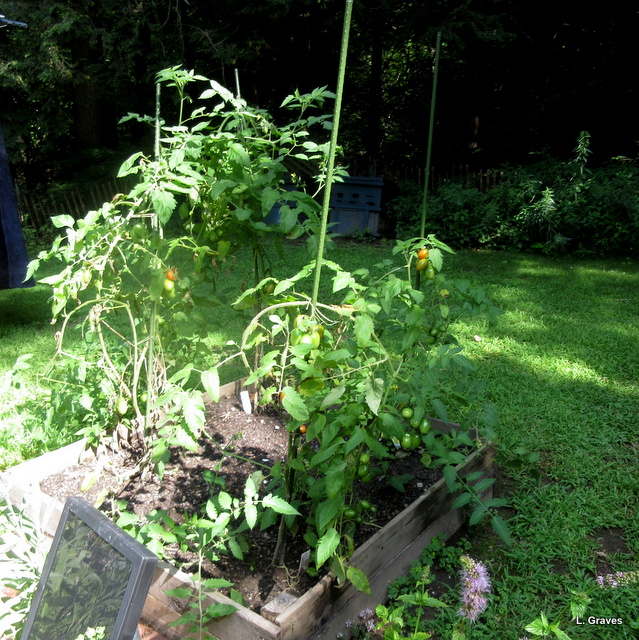
In Maine, this has been one weird summer with so much rain that parts of the state have had flooding and road washouts. In Winthrop, the town where I live, we have escaped the worst of the flooding. However, the rain has taken its toll on my cucumbers and tomatoes.

The cucumbers have been a complete bust—stunted and producing only two fat, stumpy cukes that were inedible. The tomatoes have fared a little better, but they are not as lush and productive as they have been in previous years. Instead, they are tall and spindly with not much fruit.

I have had enough for some tomato sandwiches but not enough for making a sauce, the way I usually do in the summer. This has been especially disappointing for Dee, who loves my roasted tomato sauce.

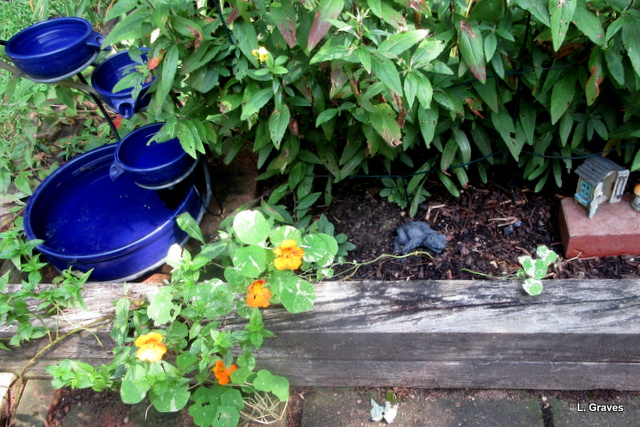
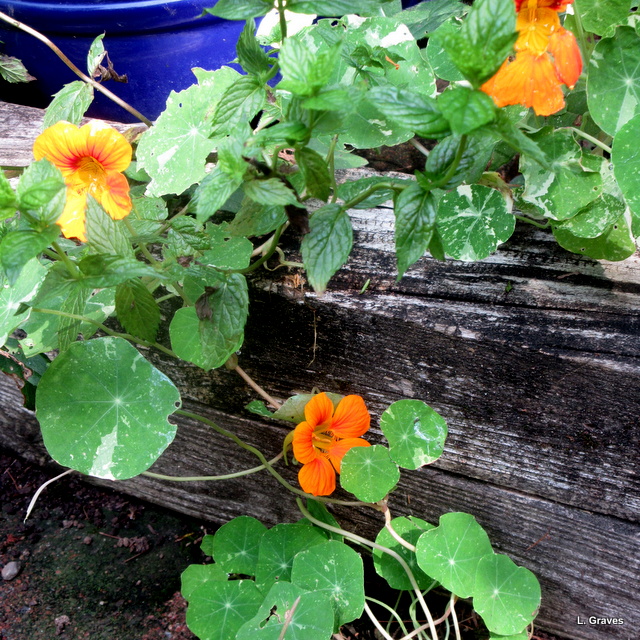
Another casualty: the nasturtiums. I planted a whole row of seeds in the long bed by the patio in the backyard. While I do have a patch or two, most of the seeds rotted in the rains of June.

Still, I am a glass half-full kind of person, and some nasturtiums are better than none, especially when you see them close-up.

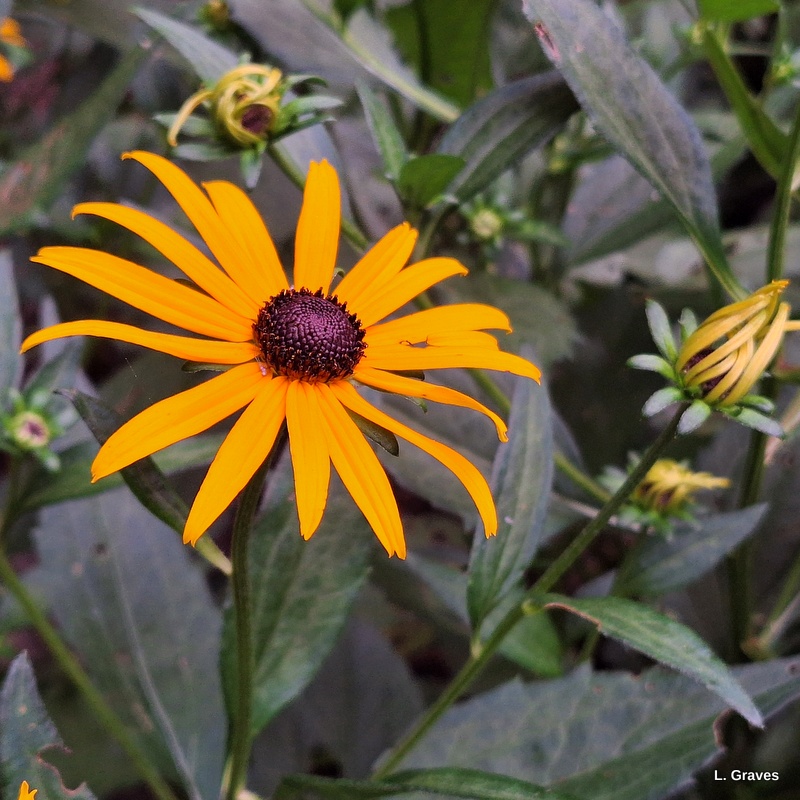
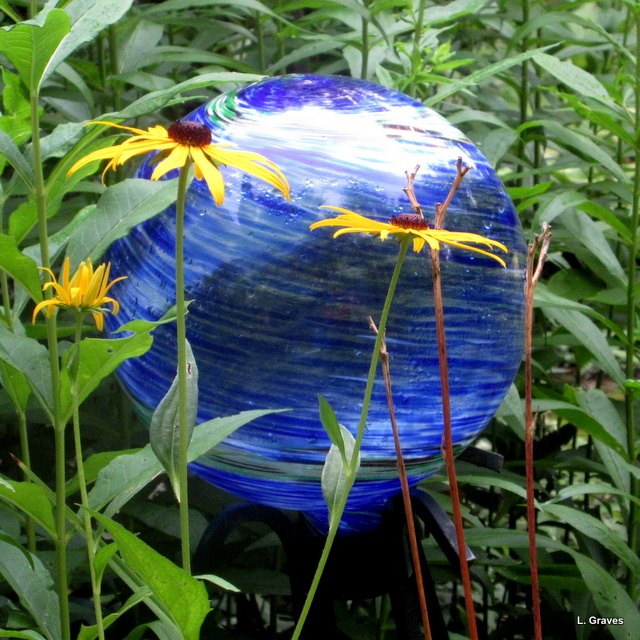
And to further cheer myself up, I took a picture of black-eyed Susans against the blue gazing ball.

Despite the rainy summer, Clif, Dee, and I have managed to slide in many lunches and suppers on the patio. Because of the rain, the mosquitoes are still a nuisance—most years they are gone by August—but we have citronella torches to help with the problem.

Right on schedule, the grasshoppers are buzzing, and the crickets are singing their sweet song of late summer. Always such a delight to hear nature’s musicians.

The delights of fall wait just around the corner—a time of apples and fires in the fire pit and warm days followed by crisp nights. But late summer is also a time to be cherished, the winding down of one season before the next season comes.

****************************************************************

Exciting News and a Short Break

Next Monday, our daughter Shannon and her husband Mike will be moving in with us while they look for  an apartment in the Boston area. (They already have one lead.) They have said farewell to their old jobs as managers of a senior citizen complex and are moving on to other jobs. With Shannon and Mike come two dogs and a cat. Our household will be very lively for the next few weeks.

Clif and I have done a lot to get the house ready for them, but there is still much to do. Starting today, I am going to take a break from blogging, and plan to be back sometime the beginning of September.

What a grand way to celebrate the end of summer!

See you in a couple of weeks.

****************************************************************

For the Dog Days of Late Summer

Listening: Who Let the Dogs Out

Party on!


Of August Days and Jeri Theriault’s Poetry Reading

Sunday was one of those August days that draw tourists to Maine in the summer. Warm weather—around 80°—combined with low humidity and sunshine made for a perfect afternoon on the patio. As it turned out, we had invited our friend Jill over for drinks and appetizers, and we were thrilled that the weather gods decided to smile on us. Yes, we could have had drinks and appetizers inside, but how nice to sit on the patio and watch the birds flutter in out and of the woods as they visited the bird feeders.

A beautiful August summer afternoon in Maine. When the rain and cold and snow come, I will try to keep this day in my heart, to be warmed by the memory of good food and good conversation.

*****************************************************

From the Department of Good News

In this time of climate change when some people suffer from too much heat and others from too much rain, reading good news provides welcome relief. In her post “This week’s Small Pleasures #348,” my blogging friend Barbara of Thistles and Kiwis wrote about how bird counts are up in Wellington, New Zealand. Way, way up. Some by as much as 260%. If my knees weren’t so creaky, I would jump for joy.

*****************************************************

Listening: Poetry Reading at Greene Block + Studio in Waterville, Maine

Self-Portrait as Homestead by Jeri Theriault

Last Friday, I went to Waterville to hear Jeri Theriault read poetry from her terrific new book Self-Portrait as Homestead. Like me, Jeri is Franco-Amercan, and she also grew up in Waterville, a small mill city by the Kennebec River.

It gave me great pleasure to hear Jeri use the word “mémère” (grandmother) in her poetry. And what a thrill that the title of one of her poems comes from a street in Waterville’s South End, where I lived as a baby and visited every week as a child. My home, my geography, my ethnic group. While Jeri Theriault’s poetry ranges far from Waterville—to Iwo Jima and the Middle East—for me, Waterville was the center that rippled outward to other places. Perhaps someone not born and raised in Waterville would have had a different take, but that is what stayed with me no matter how far Jeri roamed in her poetry.

To add to the mood of the reading, Jeri’s husband Philip Carlsen and his son Mel played music between the poetry—Philip on the cello and Mel on the piano. So lovely, so lovely.

Jeri asked that the applause be held until the end, and she spoke about each poem, telling the audience how her poetry wasn’t memoir, which allowed her to use some artistic license; how she thought of the “self as house”; how the book was “supposed to be all feminist poems,” but somehow her father crept in. Jeri filled in her father’s silence with her own words as well as ones taken from a local newspaper article about his time in Iwo Jima.

After the reading, editor and journalist Bob Keyes had a conversation with Jeri, which illuminated her poetry and her process.

From her moving poetry to the music to the conversation, this was one of the best poetry readings I have ever been to. I bought Self-Portrait as Homestead, and instead of shelving it with my poetry collection, I will be tucking this one among my Franco-American books.

Jeri Theriault, on the left, with Claire Hersom, also a fine poet.


A Mini Staycation

Last week, Clif, Dee, and I took four days off—Friday, Saturday, Sunday, and Monday—from our regular routine to relax and have fun. Our daughter Shannon, her husband Mike, and their dogs joined us on Friday and Saturday.

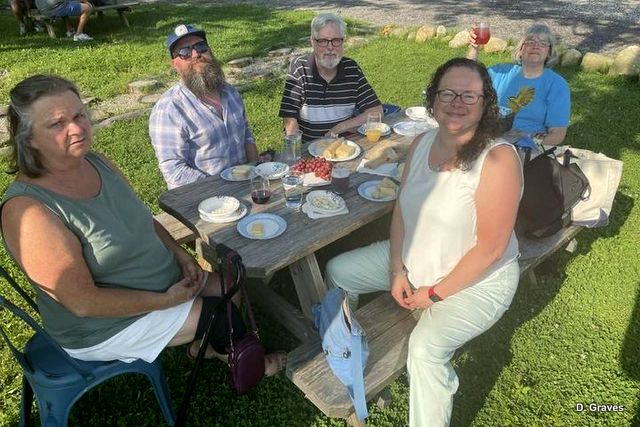
On Friday, the weather gods were in a good mood. Although it was hot, there was no rain, and off to Absolem Cider Company we went for a picnic and drinks. Mike’s aunt, Claire Hersom, met us there.

I had an utterly delicious drink of rum mixed with strawberry liqueur.

Dee took this picture of us. In the picture, Claire looks uncertain, but really and truly, she had a good time.

Clockwise: Claire, Mike, Clif, me, and Shannon

Chickens, hoping for a treat, joined us. They might have gotten some popcorn that made it to the ground.

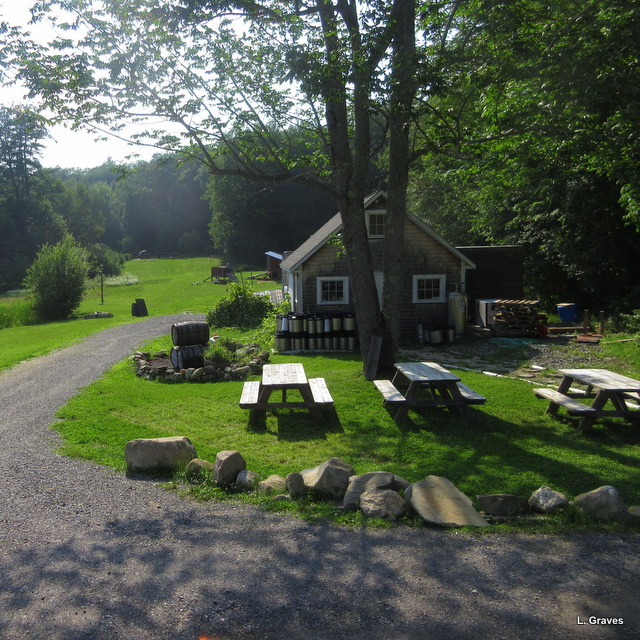
Here are a couple more pictures of this lovely place, only five miles from where we live. How lucky is that?

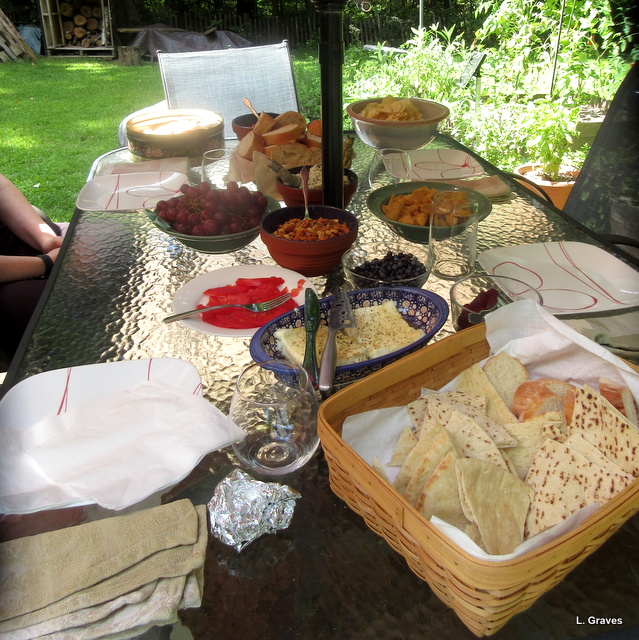
On Saturday, the weather gods continued to smile for the morning and early afternoon, and we spent the entire time on the patio for a bagel breakfast and a lunch of Clif’s legendary grilled bread.

I forgot to take pictures of the food, but I did manage to capture this daylily against my Great Library/Elferterre sign.

Unfortunately, the rain came late afternoon, bringing flash flooding to some places. But Shannon and Mike and the dogs made it home safe and sound.

On Sunday we went to the movies to see Haunted Mansion. Not a great movie by any means, but it was a lot of fun albeit tinged with some sadness. 

On Monday, we had planned to go to East Boothbay and have a picnic on rocks by the ocean. But guess what? The forecast was for rain in the afternoon. As it takes an hour and half to get to East Boothbay, we decided to stay closer to home and have a picnic by the Kennebec River, about seven miles from us. However, the weather gods foiled us, and by the time the picnic was packed, we could hear thunder rumbling. Out to our patio we went, and we had barely finished eating when the rain came. Back in we scurried.

The rain did not last long, and we decided to console ourselves with ice cream at Fielder’s Choice in the neighboring town of Manchester. We might not have made it to the coast or even to the Kennebec River, but we had some wicked good ice cream.

That surely has to count for something.

*****************************************************

Reading

Tooting my own horn

One of my blogging friends, Carol Ann of Blogging for Joy, recently read Maya and the Book of Everything, the first book in my Great Library Series. She had such kind things to say about my novel. Many thanks, Carol Ann! I’ve written this before, but I feel like it must be noted again: Because of my blogging friends, my Great Library series has traveled around this country and around the world, too. No small feat for an indie writer. To borrow from Shakespeare: “I can no other answer make but thanks, And thanks; and ever thanks…”

Introducing…

Volume Five of Résonance, an online journal. The following description is taken from its website: Résonance  features works “primarily by and/or about the Franco-American communities of the United States….There has long been a need for this type of resource. Franco-American and other writers who wished to communicate the reality of this linguistic minority have often found no literary-focused vehicle to do so….Résonance is published by its Editorial Board in Orono, Maine, under the aegis of the Franco American Programs of the University of Maine.”

For new readers: Yes, Franco-Americans are an actual ethnic group in the United States. Between 1840 and 1930, about 1 million French Canadians immigrated to the United States. They primarily settled in New England but also spread out to other states where there was factory work.

In Maine, the state where I live, about 30% of the population is descended from French Canadians. That would include me—my family name was Meunier—and indeed French was my mother’s first language. My great-grandmother never did learn how to speak English, but the feeling was that she understood more than she let on.

Unfortunately, the Yankee Protestant population did not welcome us with open arms, and there was active discrimination and prejudice against Franco-Americans. In Maine, Ku Klux Klan membership was huge, with rallies and cross burnings other methods of intimidation.

For more about this, read David Vermette’s excellent piece in Smithsonian Magazine.

Sometimes, situations do improve, and Franco-Americans no longer face they discrimination they once did. By gum, thanks to the University of Maine at Orono and editor-in-chief Steven Riel, we even have our own journal, Résonance. And I am happy to report that I am the creative nonfiction editor.

Enjoy!