
For some reason, last weekend turned out to be a flurry of having friends over and eating out.
Our merriment started on Friday afternoon when we invited our friends Dawna and Jim over for wine and appetizers.
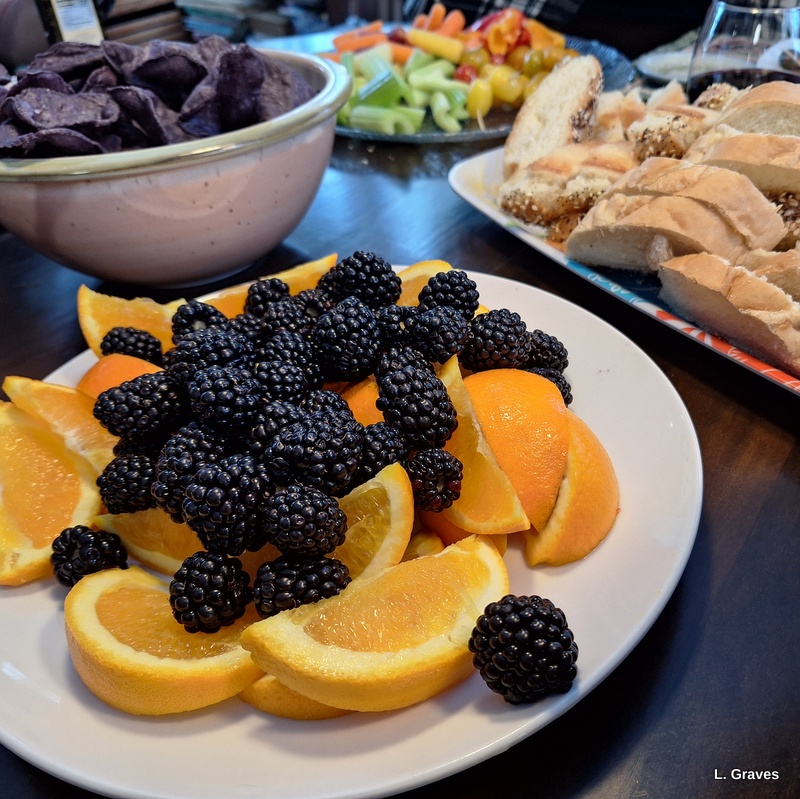
We tried to solve the problems of the world as we sat around the dining room table, sipped wine, and nibbled on appetizers, but of course we didn’t have much luck.
As we talked, our jade plant glowed in the sun. Clearly, Jade was on our side. She, too, wonders what the heck is going on in this country.

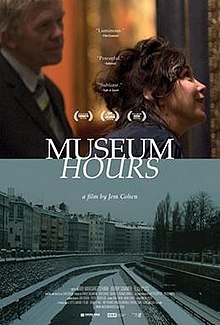
On Saturday morning, we headed to Waterville to the Maine Film Center for the Nigerian movie Mami Wata, the final movie in the wintertime film series Cinema Explorations.

This wonderful movie is set in a remote African village where the water deity Mami Wata is revered even though she is mostly absent. When a stranger is washed up on the shores, the power balance shifts, leading to conflict and death. This fable of a movie was filmed in an impressionistic way, which adds to the power of the story. What a fine way to end the film series!
To celebrate the successful film series, our friend Joel, who coordinates Cinema Explorations, joined us for brunch at one of my favorite restaurants, Front and Main.
I had some delicious ployes, Acadian buckwheat pancakes popular in northern Maine. Front and Main makes ployes a little thicker than is traditional. but my, my, they were tasty.

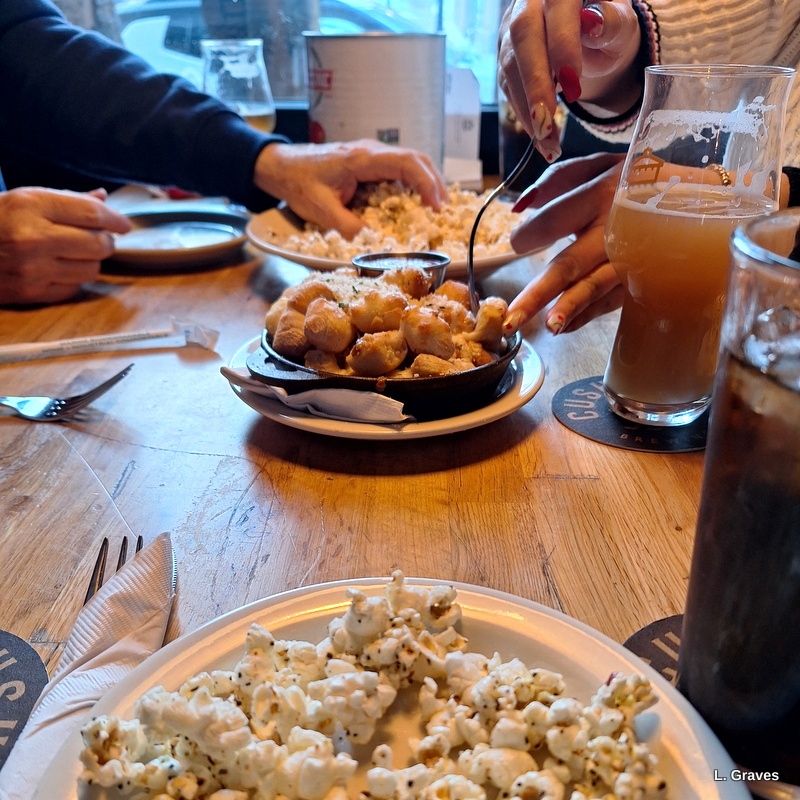
Then, on Sunday, to kick off the Academy Awards ceremony, we went to Tj’s Place in Winthrop for drinks, snacks, and pizza.
I had a pomegranate martini, and it was excellent.

Clif ordered onion rings, which he said were properly cooked and delicious. (Dee and I aren’t fans of onion rings.)
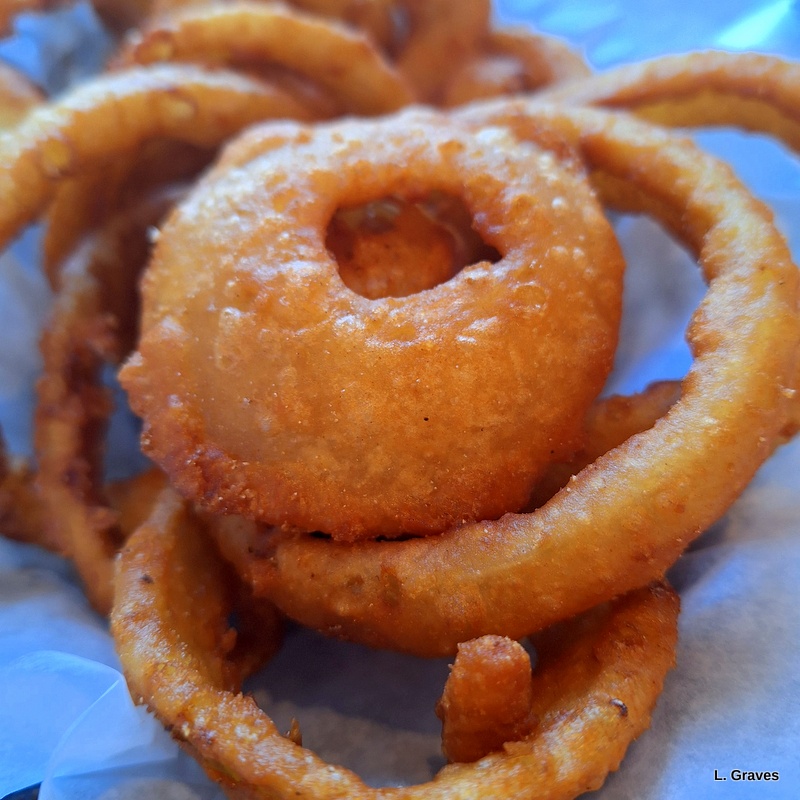
We also had pizza.

Afterwards, full of food and drink, we headed home to await the start of the Academy Awards ceremony. Two of our favorite movies—Flow (go Latvia!) and I‘m Still Here (go, Brazil!)—garnered awards. Best picture of the year went to Anora, a film about an exotic dancer. It was not our favorite movie of the year. We all felt that it lacked nuance and focused too much on the explicit sex. Granted, the subject lends itself to this treatment, but didn’t Anora have any other qualities or interests that didn’t involve sex? Say, model trains or mahjong? It seems not. Ah, well…we were apparently in a minority about this movie.
Still, all in all, it was a good night for independent films, small movies with relatively small budgets, and we are always in for those kind of movies.
*************************************************************
And Now the Moment You’ve All Been Waiting for…the Return of Snow-Gauge Clif
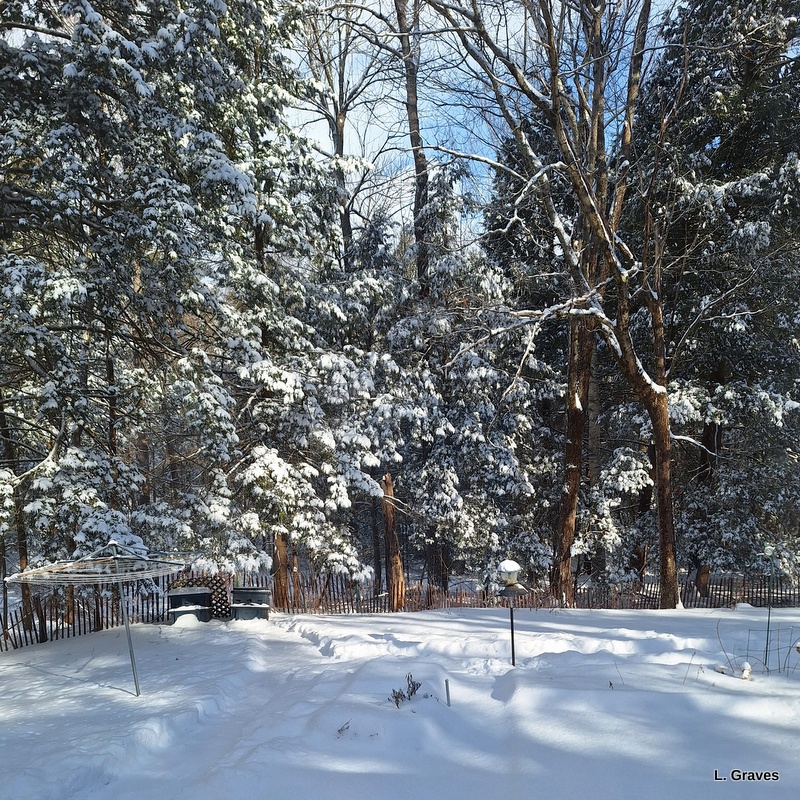
Longtime readers of this blog always look forward to the first Monday in March, which brings the return of Snow-Gauge Clif (aka my husband, Clif). Each Monday, Snow-Gauge Clif will grab his trusty red yardstick to head outside and measure the depth of the snow. He’ll continue to do so until all the snow is melted, usually sometime in April.
Here he is, on March 3, this first Monday in March, in the front yard.

Snow measurement: 18 inches
And here he is in the backyard, which gets more sun than the front yard.

Measurement: 12 inches
Will the snow be gone by the beginning of April, or will it be gone by the end? We never know the answer to this nail-biting question. Each year is different. So stay tuned for the Monday adventures of Snow-Gauge Clif.
































 Notes From the Hinterland