All posts by Laurie Graves

I write about nature, food, the environment, home, family, community, and people.

Won’t You Be My Neighbor?

Lately, the country’s eyes have been on Minnesota, in particular, Minneapolis, as federal agents—2,000 of them—run rampant, terrorizing the city’s citizens.

As a Mainer, I feel a special kinship with Minnesota, even though the states are 1,100 miles apart. To begin with, Maine and Minnesota are at a similar latitude—in the mid-40s. For residents of both states, winter is a fact of life, rolling around each year after autumn’s glorious blaze and hanging on for five months. We are intimately acquainted with snow and cold. (I was born in September, and was only months old when I experienced my first winter.) Even in the summer, Mainers are thinking about winter, and I expect the same is true for folks in Minnesota.

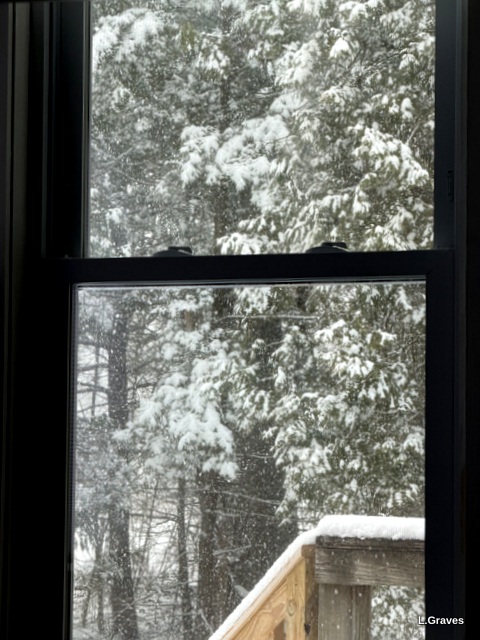
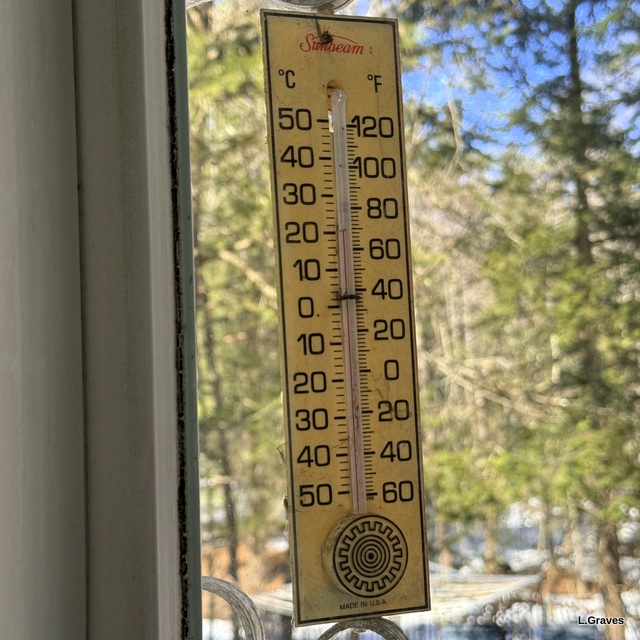
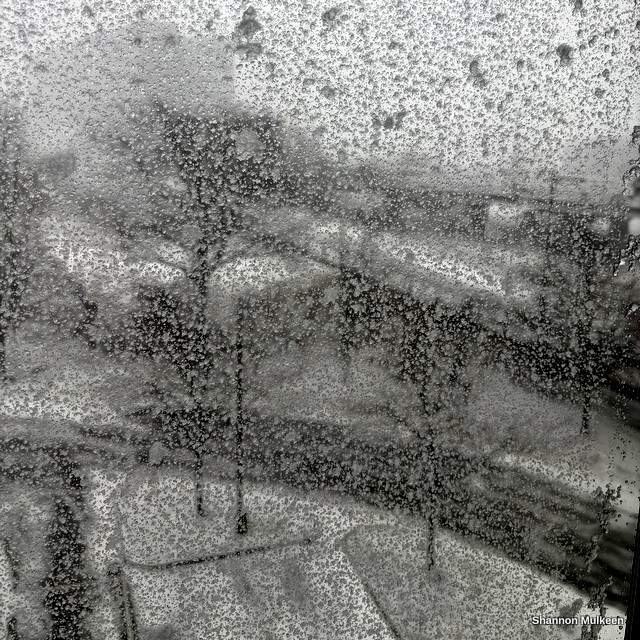
Late January morning


Frost waves on the window

It seems to me that living in a state that experiences deep winter gives its residents a certain pluck and fortitude. Sure, we sometimes hunker down to keep the home fires burning, especially if the temperature dips too far below zero, but we also venture forth in the cold to go to movies and restaurants, to visit friends and family. Some hardy folks drill holes in the ice to fish. Not my idea of fun, but each to their own.

Perhaps just as important, Maine and Minnesota are also considered liberal states, sharing concerns about the climate, gay rights, and equality.

When winter pluckiness is combined with progressive politics, the results are astonishing. We see Minnesotans go forth into the extreme cold with their whistles and cell phones to defend neighbors who have been targeted — often unfairly — by federal agents. They brave tear gas and sometimes bullets. They deliver food and other necessities to those who are afraid to leave their houses. And they march in protests.

On a recent Bulwark podcast, Adam Serwer, a journalist at The Atlantic, spoke beautifully about neighborism in Minneapolis: “It doesn’t matter who you are, doesn’t matter what gender you are. It doesn’t matter what race you are. It doesn’t matter what religion you are. You are my neighbor. I will defend you.”

Serwer’s words moved me to tears. Although I am not religious, the courage and generosity of Minnesotans strike me as the best of what Christianity embodies. No small thing when we too often see the worst of Christianity via Christian Nationlists, the intolerance, the repression.

So let us follow Minneapolis’s example. Let us open our hearts to our neighbors, no matter their race, creed, or gender.

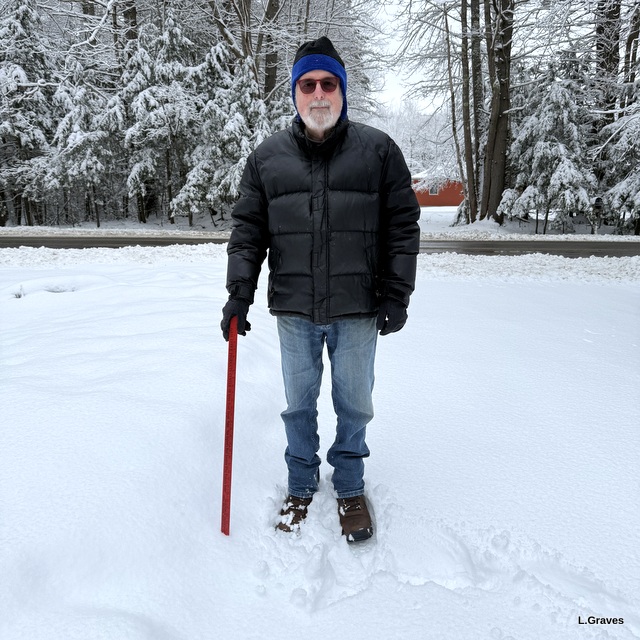
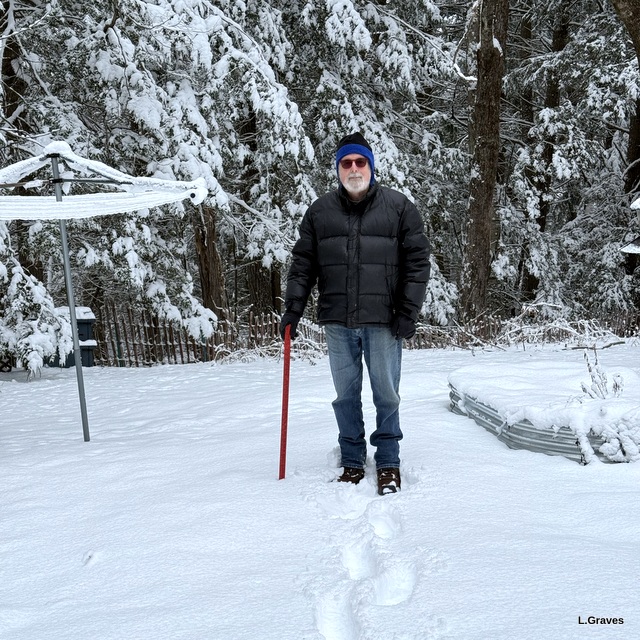
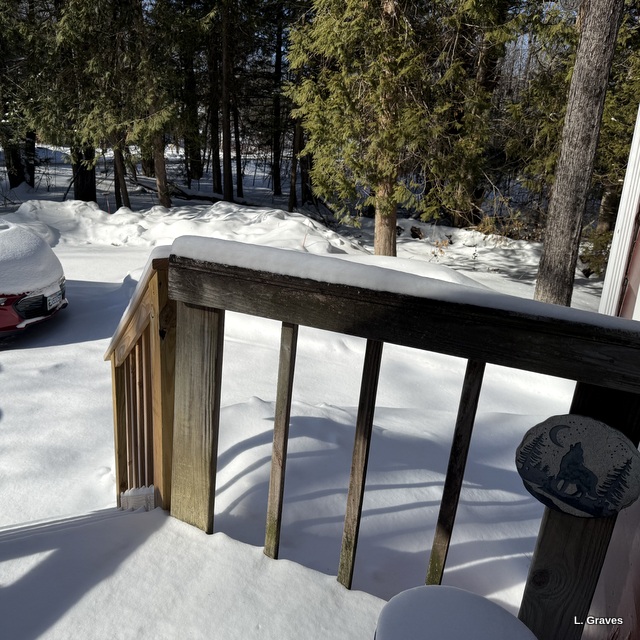
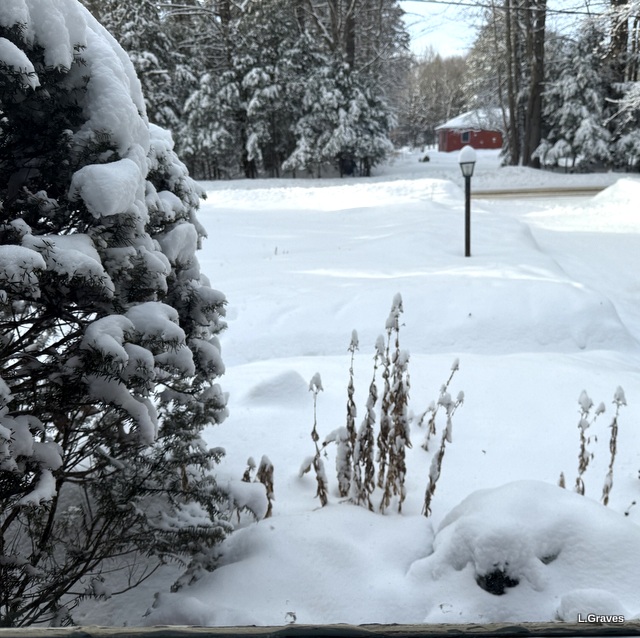
When the porch is shoveled, please come for tea or coffee.


It’s Been a Long, Long January

What a January it has been. The horrors just keep coming.

First on the list, January 3: Venezuela, with the removal of President Maduro and President Trump’s vow to “run” the country. Is Venezuela going to be another Iraq with guns, bombs, and death? Stay tuned. It’s early days.

Second on the list, January 6: Trump’s saber-rattling over Greenland and his hi-hoing it off to Davos, Switzerland, to the World Economic Forum, where he was rightly chastised by Canada’s Prime Minister, Mark Carney. For the time being, Trump seems to have backed off from his plans to take over Greenland. Again, it’s early days. Stay tuned.

Then, closer to home and just as terrible: the sending of ICE agents and Border Patrol to round up “the worst of the worst” in various cities that voted against Trump. Minneapolis has been hit particularly hard, but in Maine, Portland and Lewiston have also been targeted.

On January 7, in Minneapolis, Renée Good was murdered by an ICE agent. She was shot point-blank in the head as she slowly—very slowly—tried to maneuver her car around ICE agents blocking the way. The administration pegged her as a domestic terrorist, stating that Good was trying to run over the agents. But thanks to the brave folks who filmed the murder, we know better. I have watched the videos many times, and it was clear that Good was trying to drive away. Her last words: “That’s fine, dude. I’m not mad at you.”

Finally, on January 24, a time of cold, snow, and ice for much of the United States, Alex Pretti, an ICU nurse, was murdered by federal agents in Minneapolis. As Pretti was filming the agents, they tackled him, threw him to the sidewalk, pepper-sprayed him, beat him, and then shot him ten times in five seconds. Yes, Pretti was legally carrying a gun. No, he did not draw it on the agents as the Trump administration initially claimed. I’ve seen the videos of the brutal attack and murder of Pretti. The administration was lying, just as they lied about Good’s death.

For the whole weekend, as the snow fell, I felt sick to my stomach about the way things are going in this country.

Yet, there are glimmers of hope. The brave folks of Minneopolis continue to film and protest. Minnesota’s National Guard, unmasked, has been handing out hot chocolate to protestors.

According to Maine Public, in Westbrook, Maine, “community members form a human wall to keep local workers safe from ICE.”

I long to be out there on the front line with the protesters, but my limited mobility keeps me inside. However, as my blogging friend Quercus reminded me, “Play to your strengths, Laurie—keep writing and talking, send kindness into the world, and let young people do the running.”

Thank you for the push, Quercus. That’s exactly what I am going to do, which means I’ll be carrying on with Notes from the Hinterland.

It’s amazing how things can from December to January.


And I’m Back—With Two Stories

I know, I know. I said I wasn’t going to blog anymore, but here I am with a new post. What prompted me to write? Simply put, ICE. Not the kind you slip on and then maybe take a spill, but rather the organization — Immigration and Customs Enforcement — that rounds up people and detains them. Maybe these folks have papers, maybe they don’t. The prime sorting process seems to be based on skin color, brown and black.

For a while, the main action was taking place in Minnesota, where, among other brutalities, a young white mother was murdered, children were tear-gassed, and an elderly man in underwear was marched out of his house.

But now ICE has come to Lewiston, Maine, a small city about 15 miles away from where we live. Lewiston is home to a large Somali population that started seeking refuge here about 25 years ago. ICE has dubbed its Maine operation “Catch of the Day,” a sick reference to Maine’s coastal heritage and fishing industry, which prompted restaurants to offer “Catch of the Day” specials. And, as to be expected, people are being rounded up.

This has put me in mind of two stories, seemingly separate, but related.

The First Story

In October, we adopted two cats from the Lewiston Humane Society. I wrote about it on my blog, and readers might recall how I told of a mother and two little girls coming to look for a dog. The three were taken to a back room to meet a dog. Although I couldn’t see what happened, I could certainly hear the little girls exclaim, “Oh, you’re so cute! You’re so cute!” over and over again, and the dog’s happy barking in response. I smiled, the staff smiled, and a feeling of joy filled the shelter.

What I didn’t mention was that the mother and the little girls were black. The mother had an accent; the little girls didn’t.

What is happening to that family? Are they hiding in their home, too afraid to go to school or go grocery shopping or go to work? I wish them all the best, including the dog they adopted.

The Second Story

I am of Franco-American descent. My ancestors came from France, settled in Canada, and made their way down to the United States. On my mother’s side, I doubt all of them had papers. In Maine in the mid-1800s, it was very easy to slip over the border. Many of my ancestors came from Normandy, and in my younger days, my hair was almost black. Along with the dark hair came an olive complexion, and in the summer, the sun turned me brown. The same is true for my youngest daughter’s complexion, and one day, when she was little, while playing in my mother’s driveway, a neighbor came over and asked who my daughter was, using a racial slur.

My mother replied, “That’s my granddaughter.”

And that took care of that.

Except I wonder: what if ICE had come in the summer all those years ago? What if my daughter and I were walking down the street in Lewiston and ICE had driven by? Would they have rounded us up, locked us somewhere, and held us until we could prove we were citizens? We didn’t carry birth certificates. We didn’t have passports. As far as I was concerned, having to carry papers was something that happened in fascist regimes or Communist countries. In the United States, we could travel freely without papers.

My answer to the round-up question? Yes, it could have happened. In Minnesota, ICE has targeted off-duty cops. According to CBS News, every one of them was a person of color.

So here we are, at a nasty place teetering on something even nastier.

I hope we can  keep our balance and draw back from the edge.


The Time has come…

After ten years, the time has come to say farewell to Notes from the Hinterland. This was not an easy decision as this is a wonderful community, and I have made friends near and far. I have even been fortunate enough to meet a few blogging friends in person, and what a pleasure that has been.

But as I approach seventy turns around the sun, I am keenly aware that I have more years behind me than I do ahead of me. And with the passing of those years has come a reduction in energy. Cleaning house, cooking, gardening, reading, and fiction writing absorb most of my time. Back in the day, I could whip through all these activities and have energy to spare. But no longer. Now I have to choose.

Fiction is my first love, and for sixty years—since third grade—that love hasn’t diminished. (I think of nonfiction writing as a beloved cousin.) This fall, my fifth novel, Darcy Dansereau, will be published, and I am already working on a sixth, Iris Starmoss: Elf Detective. I have many more ideas for future novels, probably more than I will ever get a chance to write. But I’m going to make a stab at it, and fiction writing is where I want my writing energy to go.

So farewell, Notes from the Hinterland. It’s been a great run, and blog writing has brought me a lot of joy. From time to time, I’ll pop into readers’ blogs and leave a comment, but it won’t be on a regular schedule.

For those who want to stay in touch, there are two easy ways: on Facebook (Laurie Graves) and on Bluesky (lauriegraves). On Facebook, I am already friends with several blogging friends, and I enjoy the brief snippets they share about their lives.

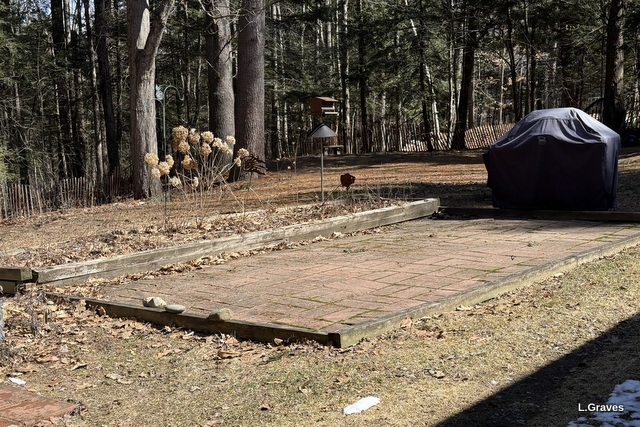
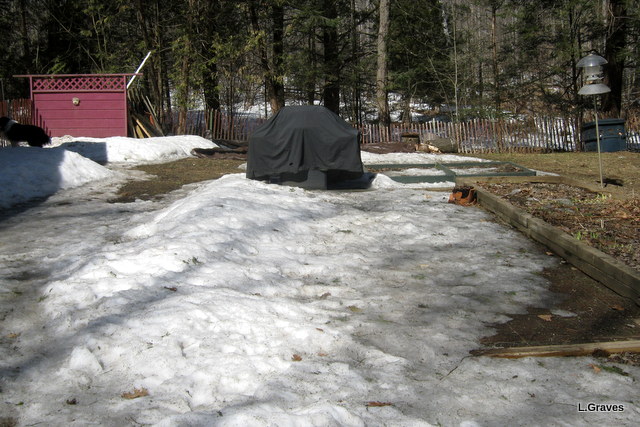
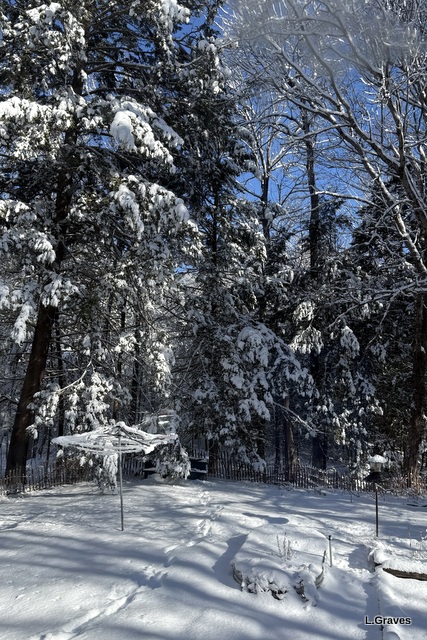
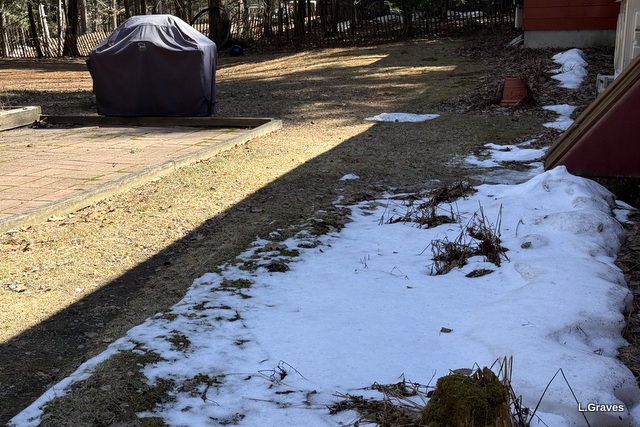
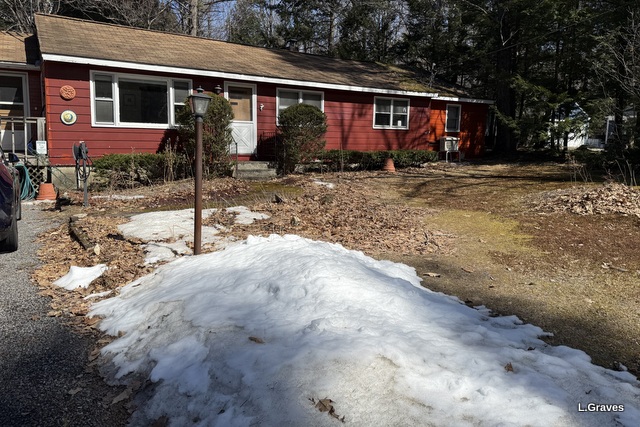
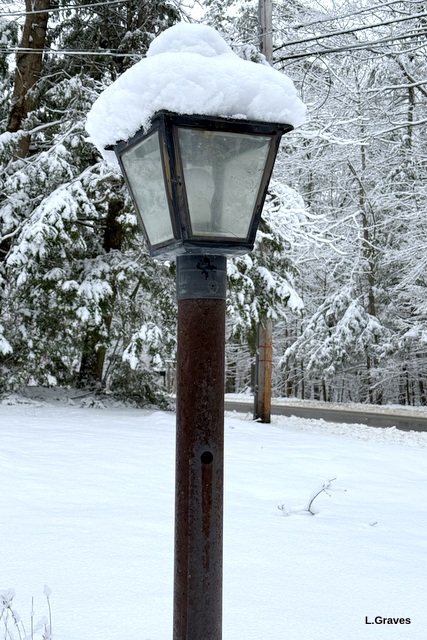
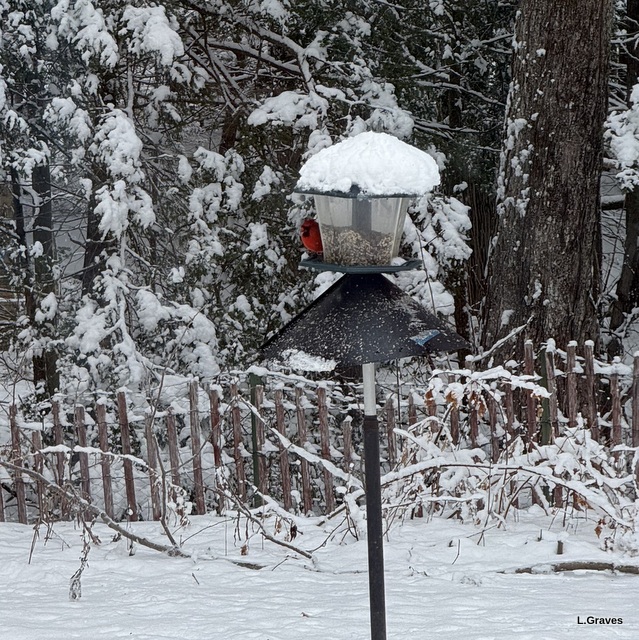
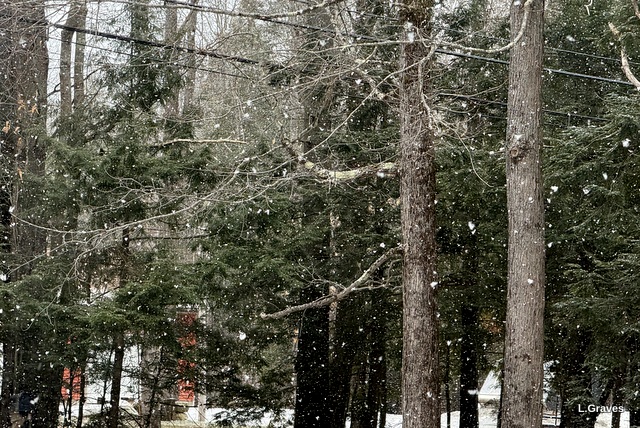
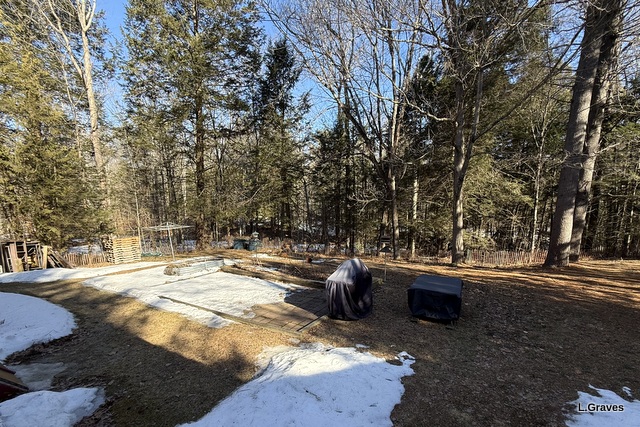
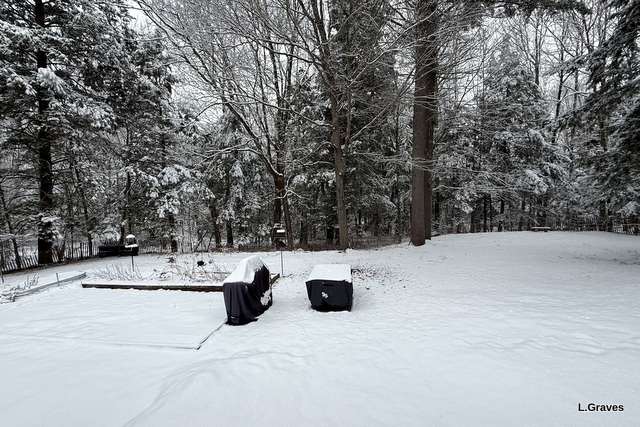
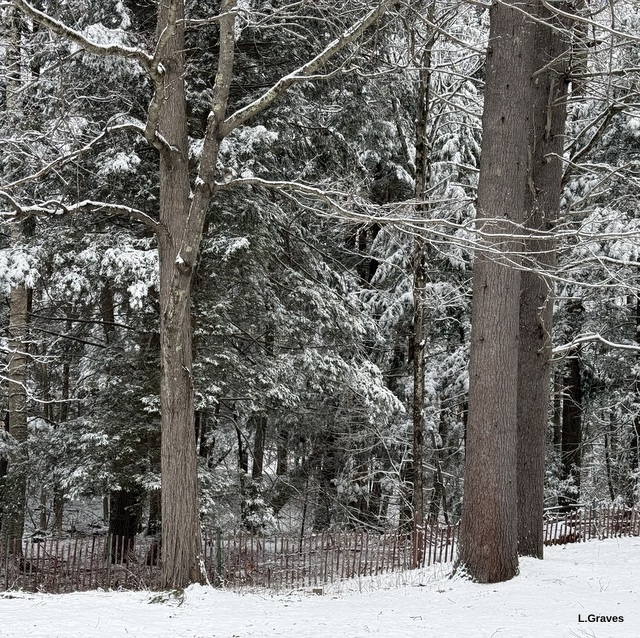
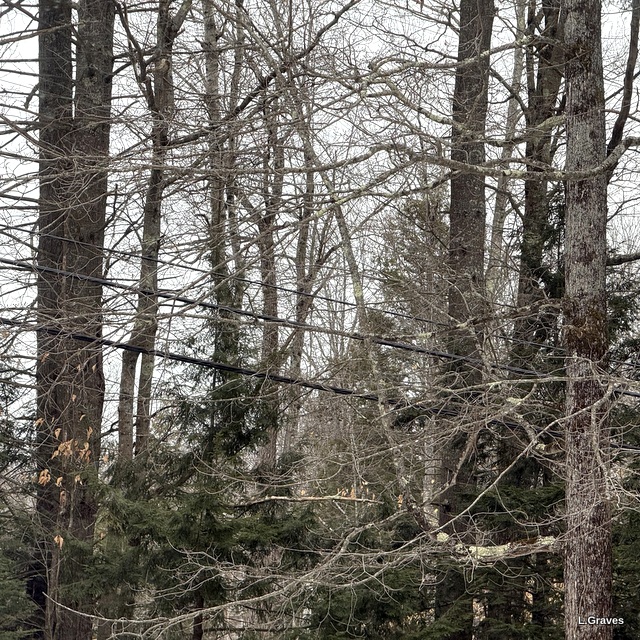
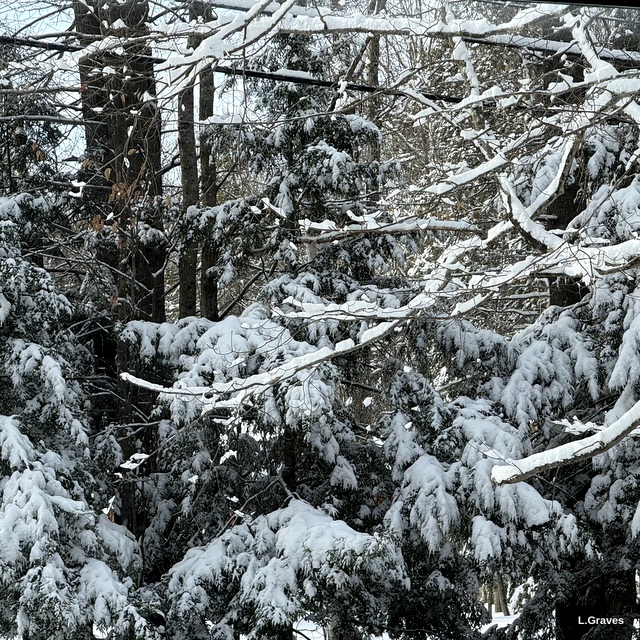
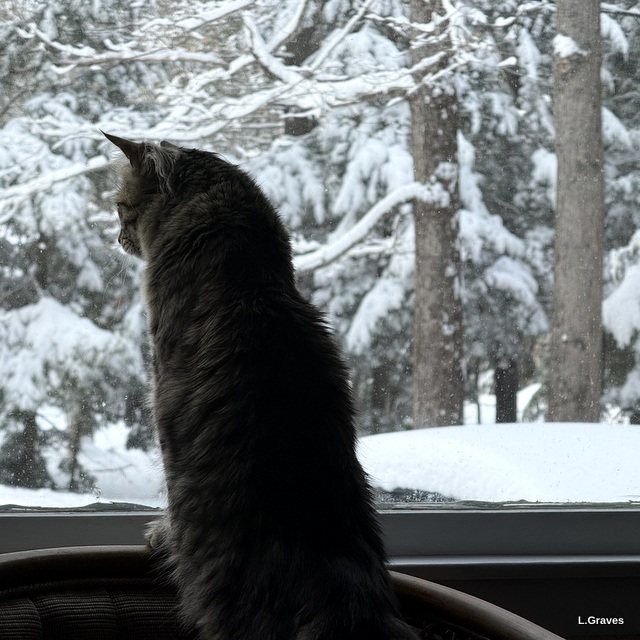
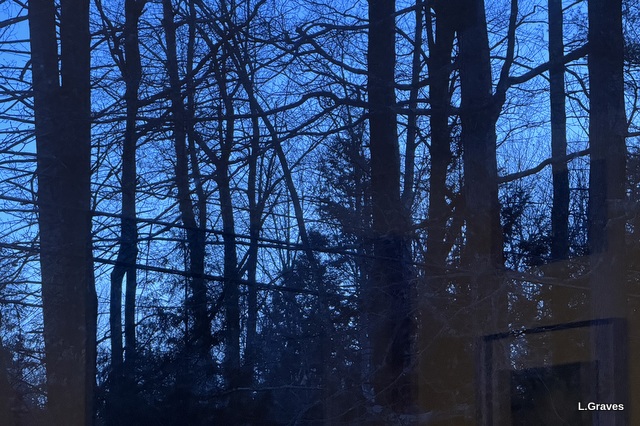
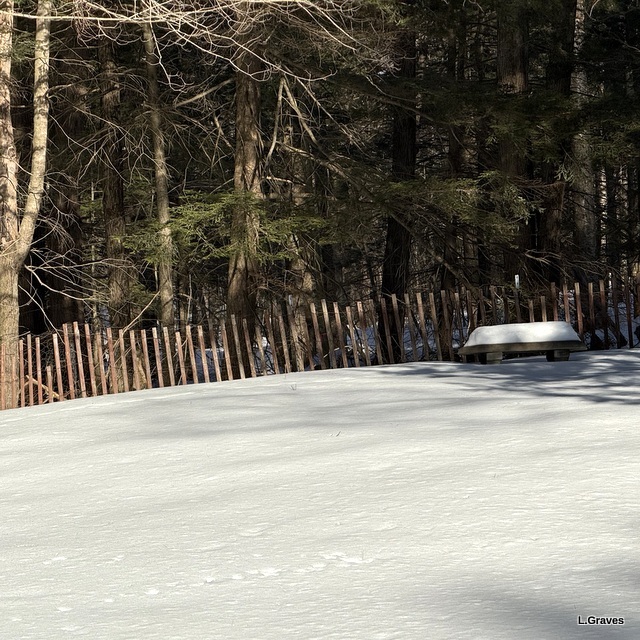
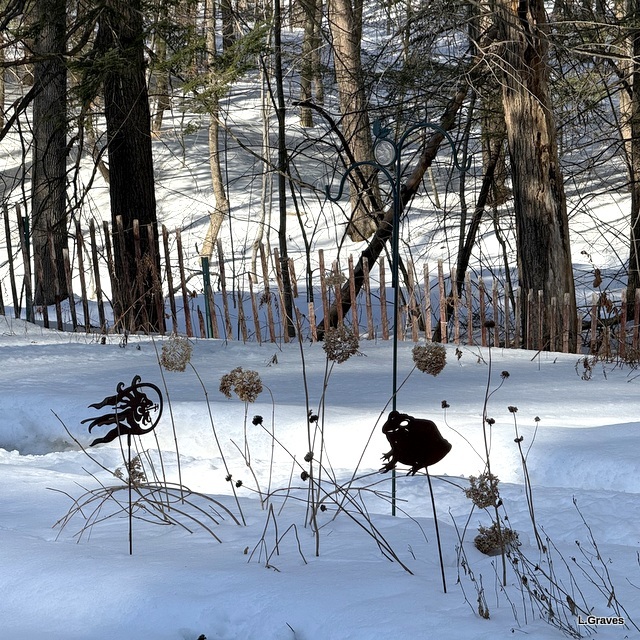
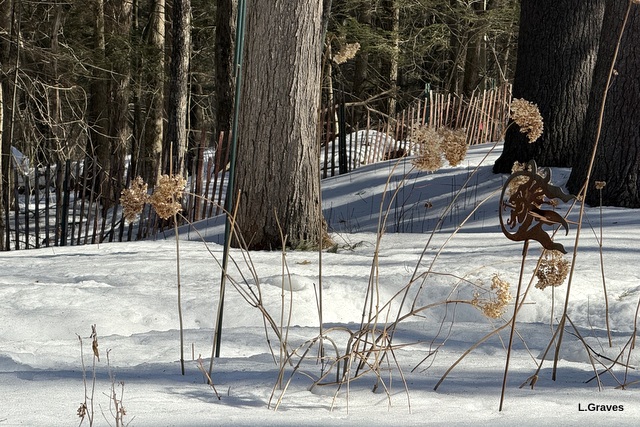
I’ll end with a couple of photos of our backyard on the edge of the woods. Winter has come, and with it the beautiful light that this cold season brings.

Again, farewell!


When Pigs Fly and a Blogging Break

On Saturday, Dee, Clif, and I piled into our EV and headed south to Kittery, the banana belt of Maine, as we like to call it. The occasion? Dee’s birthday. Shannon and Mike, who live in Massachusetts, joined us for a meal at a restaurant called When Pigs Fly. Pizza baked in a wood-fired oven is one of their specialties, and Dee is a pizza hound extraordinaire.

But first we had appetizers and drinks: a pumpkin martini for Dee, a beer for Clif, and iced tea for me. (Shannon and Mike were stuck in traffic and joined us later. Ah, Boston!) The fries and the pretzel sticks were mighty tasty.

When Shannon and Mike joined us, we had a nice little feast.

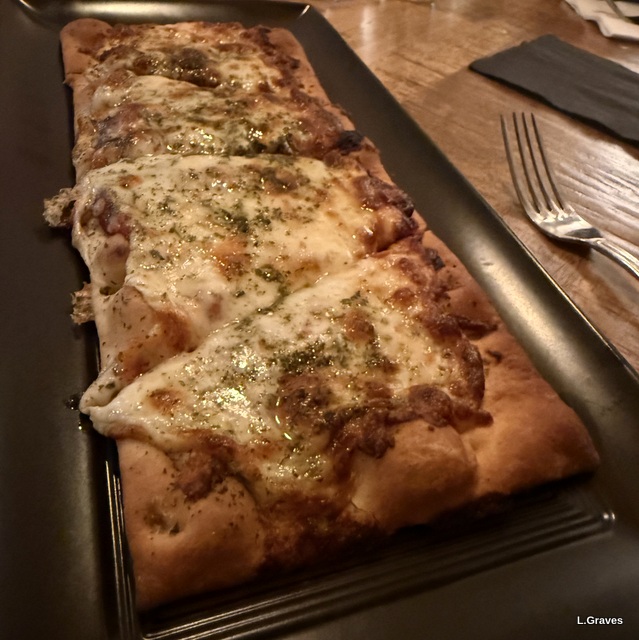
Pizza for the birthday girl and Clif,

soup and sandwiches for Shannon and Mike,

and tangy sweet and sour tofu for me. It was so good that I could have some right now.
Was there room for dessert? Yes, Indeed. The birthday girl and Shannon had ice cream, and Clif had a brownie sundae. However, I only had eyes for one thing —an order of cannoli that Mike and I shared.

The cannoli were everything they should be: crisp and sweet but not too sweet. Mike and I agreed that a soggy cannoli is a crime against nature and should not be allowed.

I had been to When Pigs Fly before and knew how crowded it could get. When Clif, Dee, and I arrived at 11:30, there were plenty of seats. By the time we left around 2:00, not only was the place packed, but there was also a waiting line.

So off we went to Starbucks for tea, coffee, and presents. None of us are huge Starbucks fans, but it was nearby, and we don’t know the area all that well.

That might change. The Kittery/York/Kennebunk area is a good halfway point for us to meet, and we plan on getting together once a month or so, even when there isn’t a birthday to celebrate.

*********************************************************************

It is time for another blogging break.

I have finished writing my children’s novel, Darcy Dansereau, a slice-of-life fantasy set in Waterville, Maine, in the 1970s. Some readers might recall The Dog Angel, a short story I wrote a few Christmases ago and shared online for free. In The Dog Angel, Darcy and her mother, Janine, were kicked out of their apartment because Janine had hurt herself while cleaning houses and couldn’t pay the rent. Help comes to them from an unexpected source that changes Darcy’s and Janine’s lives.

In Darcy Dansereau, I have expanded The Dog Angel to a longer story, where Darcy not only encounters more magic but must also deal with the prejudice that comes from being poor and belonging to a second-class ethnic group.

The story is written. Now it is time for editing — picky, time-consuming work that takes all of my little brain cells. Hence the need for a break.

I’m not sure how long the break will be, but I think it will be at least a month, perhaps a little longer.

I’ll catch you all on the flip side!


Introducing Résonance, A Franco-American Literary Journal

Along with writing novels and pieces for my blog, I am an assistant editor for Résonance, which as the title of this piece indicates, is a Franco-American Literary Journal.

For readers unfamiliar with Franco-Americans, here is a brief history: from the mid-1800s to the 1930s, there was a huge migration—almost a million from Québec— of French Canadians to the United States. They came to farm and to work in the factories and forests and settled primarily in New England. On my mother’s side, my great-great grandparents, Prudent and Demerise Jacques, bought land in northern Maine and grew potatoes.

Many of the French Canadian immigrants were dark haired and had olive complexions. They all spoke French—indeed French was my mother’s first language—and by and large, they were Catholic. In short, they were foreigners and were looked upon with hostility by the dominant Yankee culture in New England. One newspaper described Franco-Americans as “a distinct alien race.”

In Maine in 1919, a law was passed outlawing French in public schools except during formal language classes. In the 1920s, the Ku Klux Klan was a huge presence in Maine, and they marched against the Franco-Americans.

It wasn’t until 1960 that the 1919 law was repealed, and by then the damage had been done. Franco-Amercians had effectively been silenced, forced to abandon French so that their children wouldn’t be punished at school. A Franco acquaintance, who was caught speaking French on the playground, told me how she had to stay after school and write “I will not speak French at school”  on the chalkboard. Until the day my mother died, she maintained that she spoke “bad French.”

This silence extended to other areas of life. For the most part, Franco-Americans kept their heads down and worked hard, very hard, and were perhaps too passive, as one elder Franco-American put it. Outside of family circles, stories were seldom told. We were dubbed “The Quiet Presence,” a source of ridicule and jokes about how stupid we were. (Unfortunately, I have heard more than my fair share of dumb Frenchmen jokes.)

Then came my generation. We were sick of being quiet, of keeping our heads down, of feeling as though we were congenitally stupid. We have organized into groups celebrating our heritage, sometimes through performances. Slowly, slowly, books, articles, poetry, and essays have been written.

And under the auspices of the University of Maine at Orono, we have our very own journal, Résonance, which features “creative works by established and emerging writers, primarily by and/or about the Franco-American communities of the United States.” The newest issue, Volume 7, has just been published.

I help edit the creative non-fiction pieces. In this volume, there are a variety of essays, ranging from an account of the author’s ancestor arriving in Canada in 1662 to a humorous piece about a mouchoir (a handkerchief) to a reflection of nature and trauma to a reckoning of how French is spoken in Maine rather than in France.

In addition, there is artwork, poetry, fiction, and an interview with Susan Poulin, a Franco-American performer. If you have time, I hope you will check out Volume 7 of Résonance.

And for readers interested in submitting pieces to the journal, please check out the guidelines.

As we would say in French, à bientôt!

Some Good Things…

Readers must surely know that right now in the United States there is a constant fire hose of bad news that is covered, quite rightly, by various forms of media. No point in denying this bad news, and being somewhat of a news junky, I pay close attention.

But at least in my personal life, there are many good things happening too, and I hold on to them the way a person falling overboard might cling to a tossed life preserver ring. The good things help keep me afloat.

First and foremost, October in Maine. October in Maine is so glorious that it never fails to fill me with joy—that slant of sunlight reflected from the golden leaves; the deep blue sky made brilliant by the lack of humidity; the bursts of orange and red; the nutty smell of fallen leaves. I could go on and on singing the praises of October. And even this year, when the drought has muted the color of the changing leaves, it is still a wonderful month.

Here are pictures taken last week from my backyard.

A flash of red in the nearby woods,

yellow leaves against blue sky,

and the view from the patio.

Then there are the new cats, who despite their pesty ways with plants they shouldn’t be nibbling on, are bringing us so much joy and laughter.

Kai chilling on the cat tree
Little Fern helping me with my upcoming novel, Darcy Dansereau


Finally, there is another reason why October is such a special month for us: our eldest daughter Dee was born the end of October. We will be celebrating her birthday next Saturday with a trip to southern Maine, where we will meet our daughter Shannon and Mike. But that will be a story for next Monday.


Another Birthday Treat: Tea at Lady Mary Inn in North Berwick

For my birthday, which was in September, Shannon and Mike treated me to afternoon tea at the Lady Mary Inn in North Berwick. October 11 was the date everyone settled on, thus continuing our family tradition of celebrating often. Mike is not exactly into tea—coffee and beer are more his thing—so he and Clif went to a local brewery, while Shannon, Dee, and I had afternoon tea.

The inn is nothing short of spectacular. I pegged it as a huge Victorian house—the largest I have ever seen—but its official description, taken from their website, is Queen Anne-Eastlake Victorian style. That’s a new one for me. Whatever its architectural style, I think we can all agree that this is some house.

As the link in the first paragraph of this piece takes readers to a history of the Lady Mary Inn, I’ll just give a brief description, again copied from their website. “Mary R. Hurd was born in 1839, daughter of William Hill, a member of the large Quaker population of the area and founder of the North Berwick Woolen Mill. Upon her father’s death in 1873, she inherited the mill. This determined woman took over the administration of the mill, an astonishing task for a woman of her era….It was at the time of her second marriage that she built the great Queen Anne house on a hill at the prominent intersection overlooking the mill.”

Those Quaker industrialists apparently knew how to get things done. We had one in Winthrop, too—Charles M. Bailey, who was an oil cloth manufacturer and donated money for the construction of the town’s library in 1916.

But back to tea. Dee, Shannon, and I all had our own pot of tea—I order the Lady Mary Grey, a floral black tea. Then came tomato soup and little sandwiches—curried chickpea, toasted cheese, tomato, and cream cheese.

Next came scones.

And finally dessert, complete with a little candle in honor of my birthday. Yes, I made a wish when I blew out the candle.

Afterward, we all felt perfectly full but not stuffed, which is a nice way to feel.

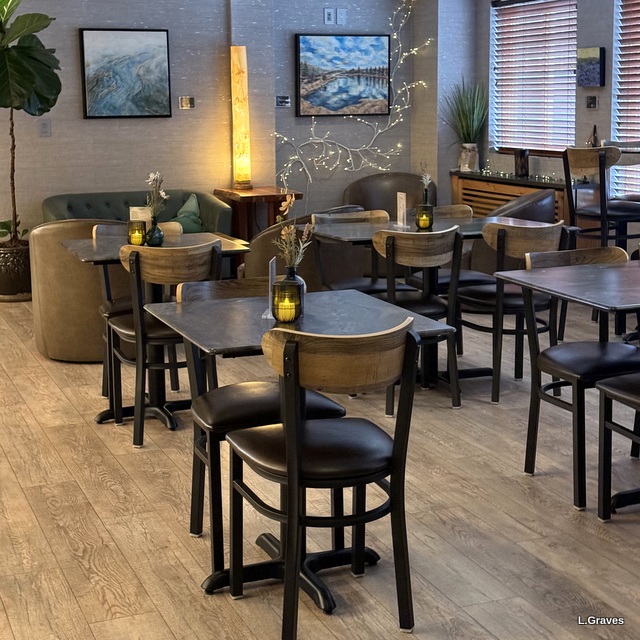
Finally, here’s a picture of the room across from where we had tea.

Not only was the food tasty, but the service was also exactly the way I like it—attentive, friendly, relaxed, and unpretentious.

If you live within driving distance of North Berwick, and like tea, little sandwiches, scones, and sweets, and are in the mood to treat either yourself or someone special, then afternoon tea at the Lady Mary Inn is the perfect outing.

Many thanks Mike and Shannon!


One Heck of a Week with a Happy Caturday Ending

Last week was one of those weeks—nothing serious, thank goodness, but with some decidedly unpleasant moments.  We all have them, I know, and mine involved a trip to the dentist. I expect I could stop right here, and most readers would be able to sympathize. I won’t go into graphic details except to note I had a very difficult extraction that left me with a swollen face and an aching jaw. (Three more teeth to go, and then I’ll have an upper plate.)
To add to the fun, I had a Covid vaccine on Thursday. I was expecting a blah day on Friday, but my jaw was still bothering me so much that it masked whatever effect I might have had from the vaccine. I guess that comes under the category of “it’s an ill wind that blows no good.”

However the week ended on a much happier note: on Saturday, Dee adopted two cats from the Greater Androscoggin Humane Society. They are two years old, brother and sister, and obviously part Maine coon cat. The large one is the male, and Dee has named him Kai. The smaller one is his sister, and Dee has called her Fern.

Fern and Kai checking out the Narrows Pond Road.


Two sweeter cats you will never find, and Dee asked, “How could anyone give them up?”

“You don’t know the story,” I said. “So you can’t know the reason.”

But boy did we luck out with these two love bugs, who cuddle and purr on our laps. We were supposed to keep them isolated in a room for two weeks, but on the first day, Kai staged an escape, his sister followed, and that was that. They immediately became part of the household.

Dee, a cat whisperer, is in her element. Although Fern and Kai have bonded with all of us, Dee is the clear favorite. When a scary delivery truck pulled into our driveway, Fern bolted and hid under Dee’s bed until it was safe to come out.

The Humane Shelter can be a sad place with so many animals in cages waiting for a home, but it can also be a joyous place. As I was waiting for Dee to fill out the adoption paperwork, a mother with two adorable daughters came in looking for a small dog to take home.

“Come with me,” said one of the staff, and he led them to a room out back. I couldn’t see what happened next, but I sure could hear.

“Oh,” the little girls cried in piping voices, “you are so cute! You are so cute!”

I heard joyous barking, and I could imagine the scramble of paws as the little dog danced in the glow of their affection.

The man came out, leaving the mother and daughters alone with the dog, and we smiled at each other. I had tears in my eyes as I listened to the continuing happy commotion.

Sometimes, every once in a while, sad stories have a happy ending, and there were at least two that day at the Humane Society.

Lovely Fern on the sofa


The Joy of Blogging Friends

Last Thursday, on a very rainy day (much needed!), I took the Bolt and headed south to York, Maine, about 95 miles away from our home. My destination was the café at Stonewall Kitchen. The Bolt, our new EV,  was fully charged, with 240 miles as its estimated range, but it could be more, or it could be less, depending on how I drove. Would I be able to make it there and back again on a single charge? Only time would tell.

A trip that far, even with an EV, needs more than a café with delicious food to entice me. And so there was. The café was a meeting point to get together with two blogging friends—Judy from New England Garden and Thread and Dot from The New Vintage Kitchen. Meeting with them for lunch was more than worth the nearly four-hour round-trip drive. I would do it again in a heartbeat.

Long-time readers might remember that I have been getting together with Judy in June for the past few years. We have become friends in person as well as through our blogs. We are both blogging friends with Dot, and we wondered how the three of us might be able to get together. Dot lives in Vermont, and Judy and I were trying to figure out if there was a half-way spot where we could all meet for lunch.

However, Dot solved that problem by coming to stay in Maine for a couple of days, where she could easily drive to the Stonewall Kitchen Café for lunch. As Dot has noted in a recent post, we all felt as though we had known each other for years. So true! As we ate our tasty lunch, we chatted like old friends, and the conversation just flowed from one topic to the other, from jury duty to food to gardening to television shows to family. What an absolute delight!

We hope to meet again next year, perhaps in Vermont if the stars are aligned. Plans are afoot!

From the left: Judy, Dot, and moi

After four hours of wonderful camaraderie, it was time to head home in the Bolt. Would I have enough power to get home? Or would I have to stop in Kennebunk for a charge?

Readers, I am happy to report that the Bolt made it home without needing a charge. I even had twenty-five miles or so leftover. I was pretty darned pleased.

Getting together with blogging friends is such a joy. Blogging friends, if any of  you come to Maine, or even New Hampshire, please let me know if you have time for a meet-up. I have no problem driving two or two and a half hours for a get together. Over the years, I have met some wonderful bloggers, and I hope to meet more of you in the years to come.