
Those Glowing Copper Ferns

A few days ago, I took a short walk up the road, looking for signs of autumn. In some ways, it was a melancholy walk as I remembered all the times I went out with my dog Liam, who would wait patiently as I took pictures. How I still miss that dog buddy!

I was looking for colorful leaves, and I did find some. However, there is still quite a bit of green; peak foliage is probably a week or two away.
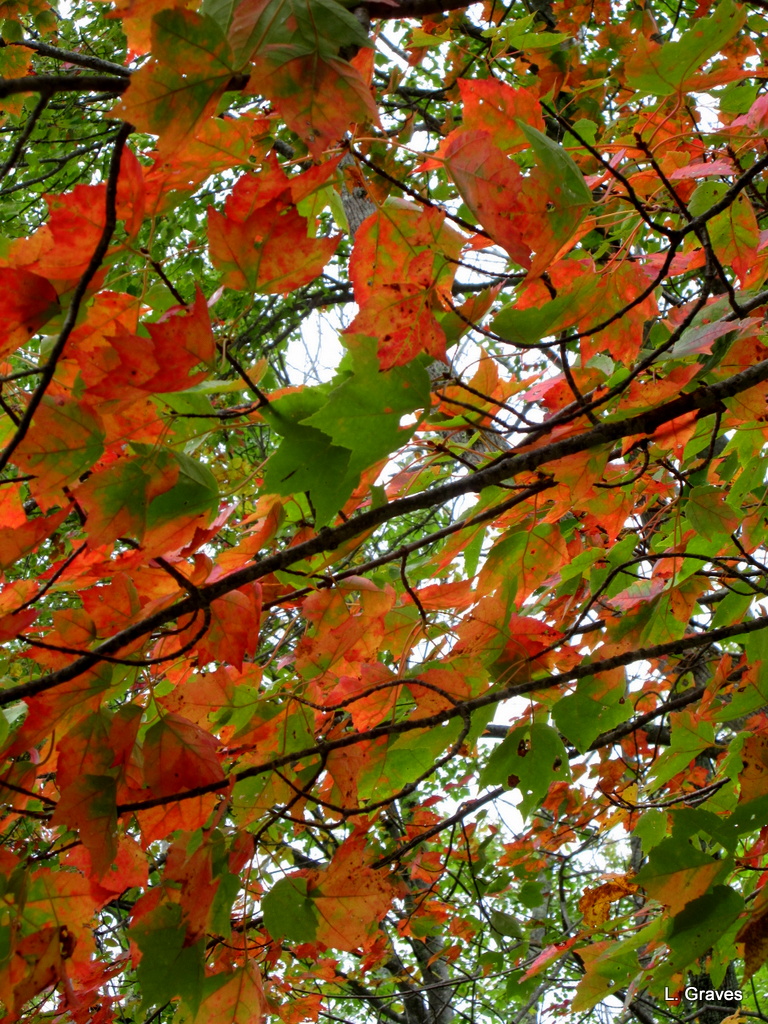
Instead, what caught my eye, as I looked down, was the glowing copper of the ferns as they lit up the dark woods.

One of the great pleasures of living in the woods is that in every time of year there is something to notice. In Maine, the passing of the seasons is marked by exuberant new growth, fecundity, austereness, cold, stillness, and—if I’m to be honest—slush and mud. (I don’t want to give the impression that Maine is a state of unrelenting beauty. We have peak ugliness as well as peak foliage.)

After walking awhile and being dazzled by the ferns, I turned around and headed home. I noticed this tree stripping down to its essence, the first of many more bare trees to come.

Homebody that I am, even after a short walk, it is always a pleasure to return to our home nestled in the woods.



And the Acorns Come Tumbling Down

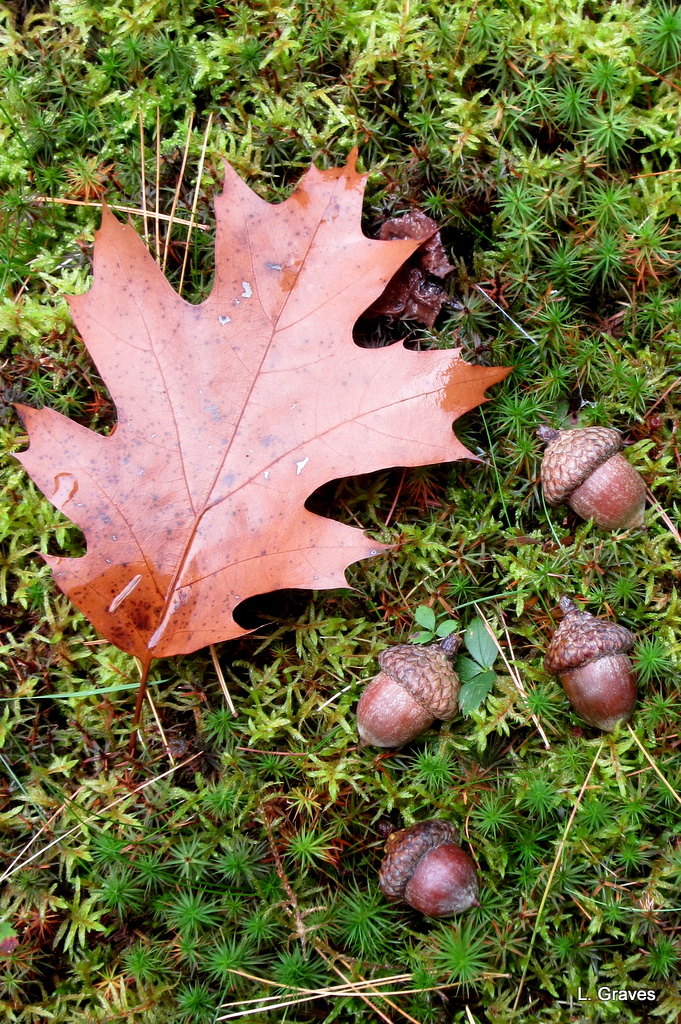
Thanks to a blog I follow—New Hampshire Garden Solutions—I learned that this is probably a mast year for acorns. This is from a recent post: “There must be many millions of acorns falling this year; I would guess enough to call it a mast year. In a mast year the trees grow a bumper crop and produce much more fruit than in a non-mast year.”

The things I learn from reading blogs! I knew that some years there were a lot of acorns. Other years, not so much. But I didn’t know there was a name for a season that produced a bumper crop of acorns. But now I do. Many thanks, New Hampshire Garden Solutions.

As I have written previously, we live in the woods, and there are several oak trees near one end of our house. This fall there has been a steady rain of acorns, and when the acorns hit the roof, it sounds as though we are being pelted with little rocks. Sometimes the rain is steady enough that I worry I will be knocked senseless when I am near the oak trees. So far, so good. I’ve escaped concussion and have come inside with nary a bump.

Joking aside, I have come to regard the acorns as little wonders.

Beautiful as well as useful, they produce the majestic oak, thus providing a much-needed lesson about how mighty things can grow from a small seed. The acorns feed a variety of creatures who live in the woods around our house—chipmunks, squirrels, deer, and turkeys, to name a few. From the National Wildlife Federation Blog, I discovered that “more than 100 U.S. vertebrate species eat acorns. In autumn and winter, the acorn is the cheeseburger of the forest ecosystem—fairly easy to find and nicely packaged. They are one of the most valuable food resources available for wildlife.”

No wonder the oaks produce an abundance of acorns whenever they have a chance. If some acorns are to survive to grow into a tree, there must be many.

Therefore, as we head into the season of Thanksgiving, I give thanks to the oaks that provide shade, absorb carbon, and feed assorted denizens of the forest. Oaks are a vital part of Maine’s ecosystem, and how poor we would be without them. Long may oaks—and acorns—flourish.